
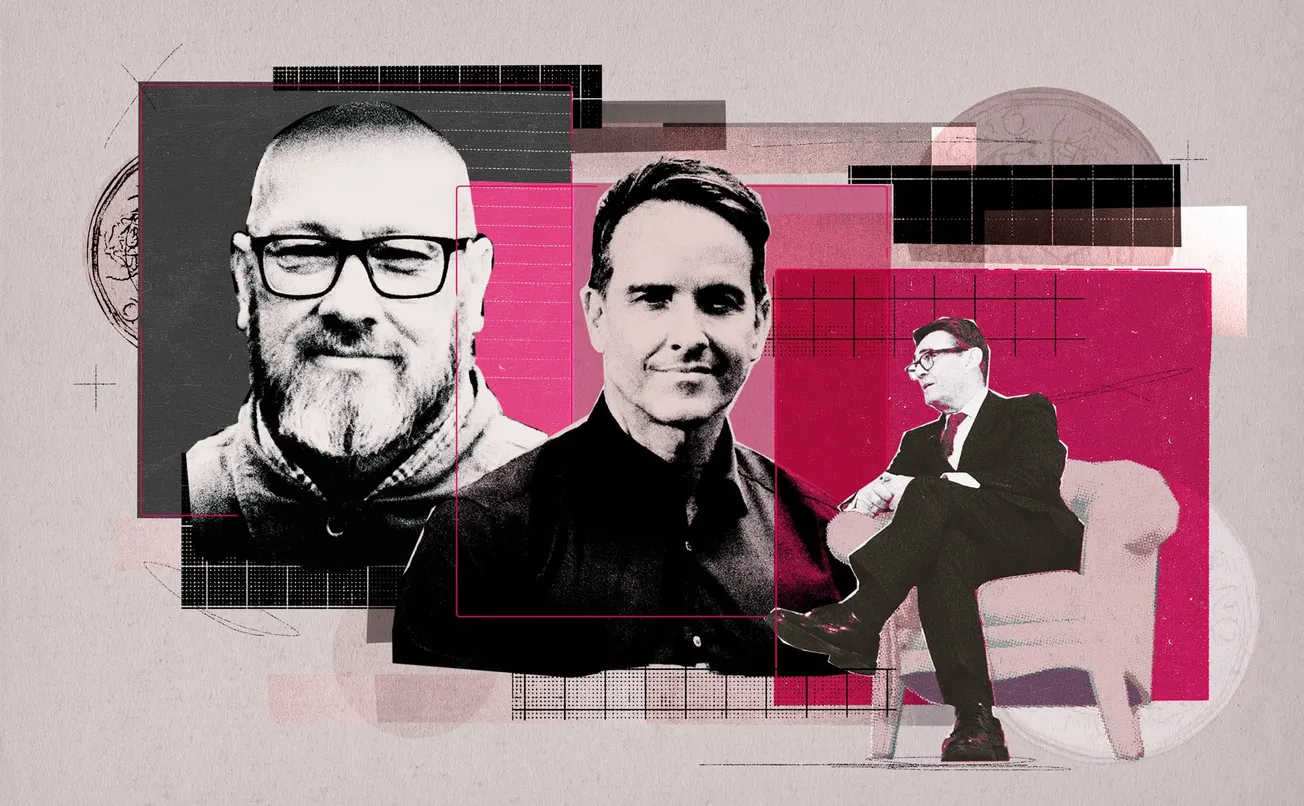
Sacha Lord’s nightlife lobbying group has withdrawn from a £35,000 government grant after The Mill pointed out false claims in its application for funding.
The Night Time Industries Association (NTIA), which Lord chairs, was recently offered the money to train young people to work in the music industry, despite Lord’s chequered history with public grants.
But documents obtained under Freedom of Information laws show that the NTIA misled the Arts Council in applying for the funds. The NTIA claimed that some of the £35,000 of taxpayers’ money would be matched by two large companies, satisfying a mandatory condition of the scheme.
One of the companies told us they had never been approached about the project and the other said no deal had been agreed. After we questioned the NTIA about our findings, the group said it was withdrawing its application, which the Arts Council confirmed.
Last year, Lord was forced to resign as Andy Burnham’s nightlife advisor after the Arts Council asked his defunct company to repay more than £400,000 it won via a misleading grant application. Lord threatened to sue The Mill after we broke the story, but later admitted “a small number of unintended oversights” in the application.
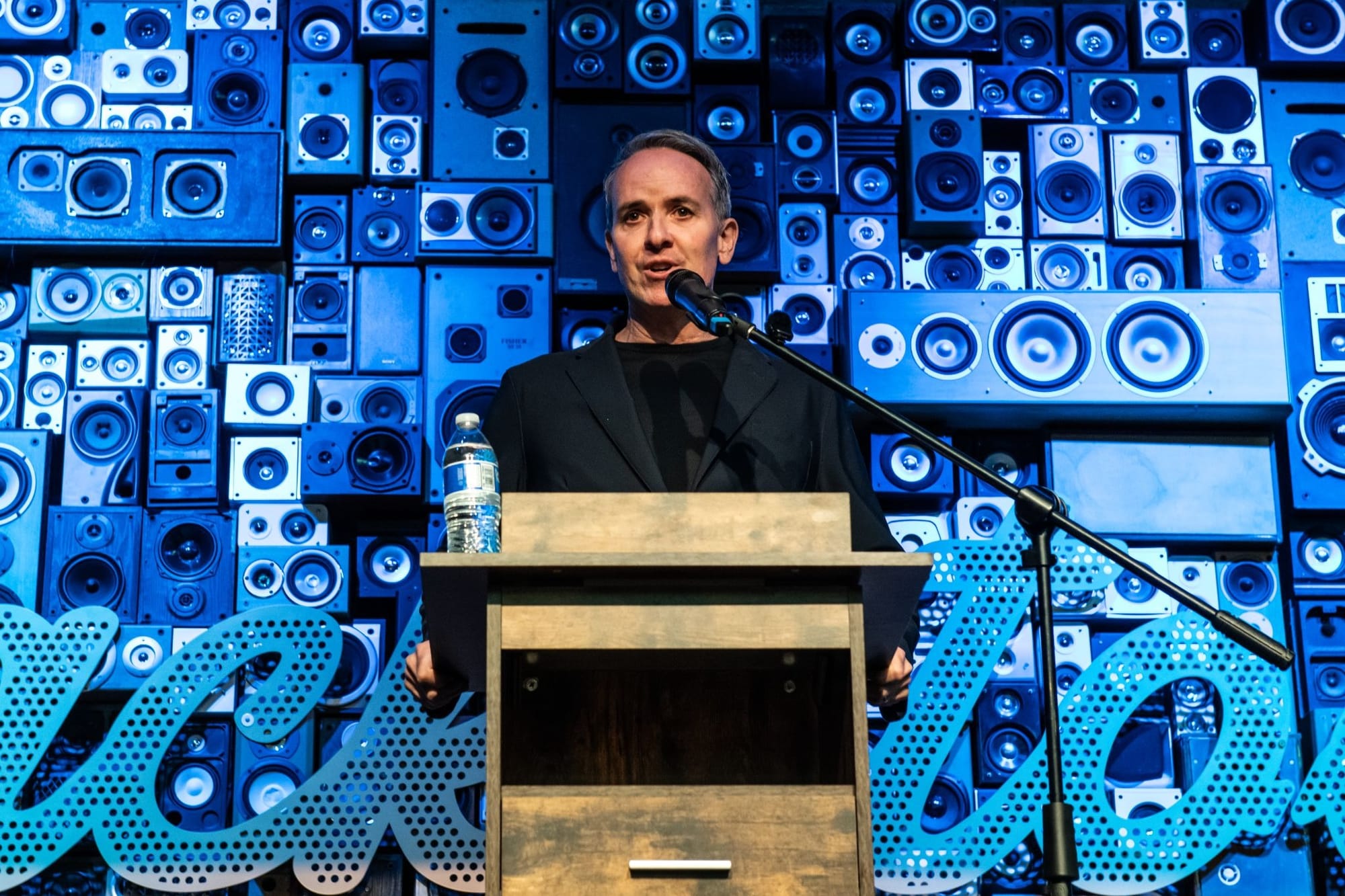
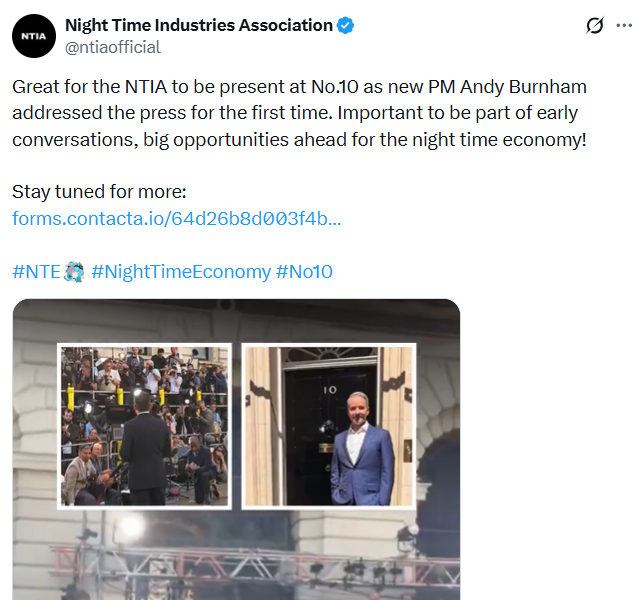
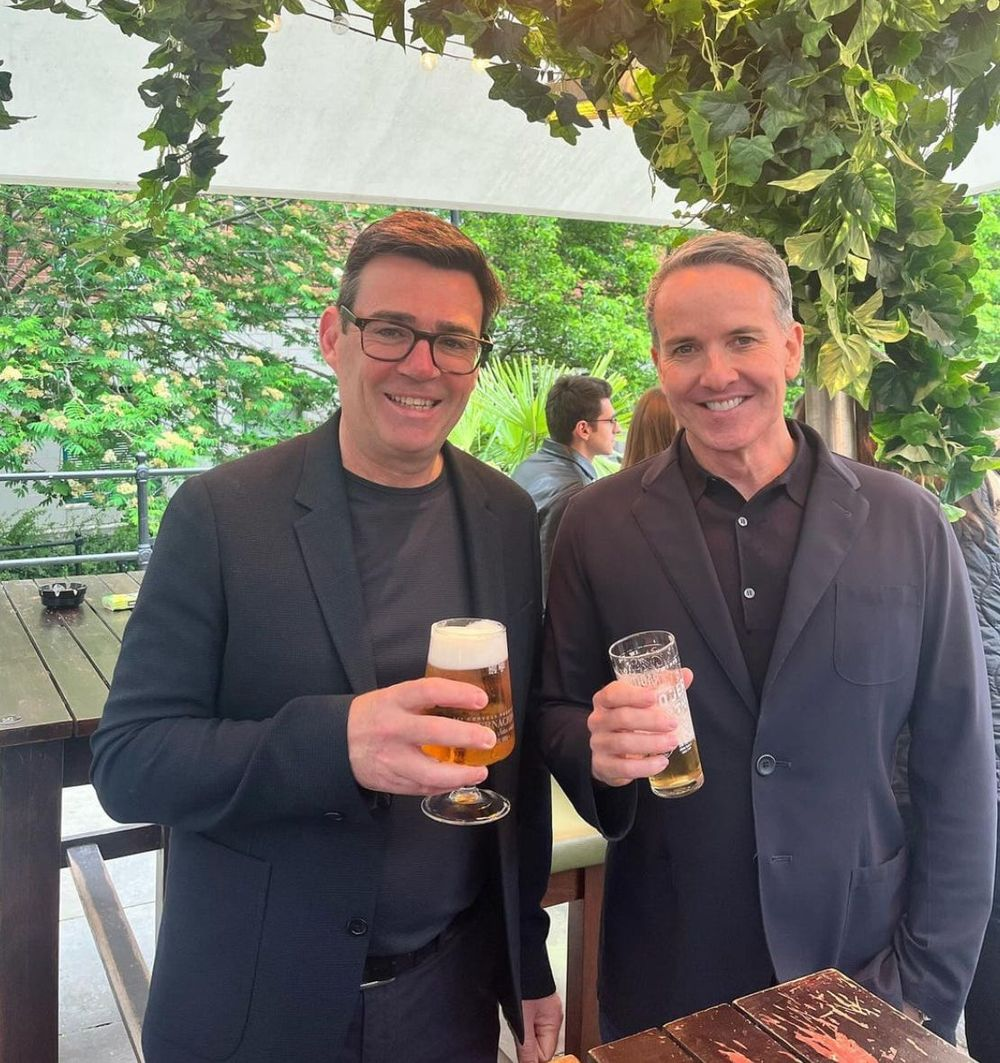
The money has never been repaid, but Lord has stayed close to Burnham, donating £35,390 to Burnham’s parliamentary and leadership campaigns earlier this year. On the day Burnham became prime minister, Lord was invited to Downing Street and was photographed outside Number 10.
Zack Polanski, leader of the Green Party, told The Mill that “the prime minister has some serious questions to answer,” and that “Andy Burnham claims to be doing politics differently, but it's clear that his party is still the party of Peter Mandelson and dodgy donations.” A Conservative Party source told The Mill: “Starmer had Mandelson, now Burnham has his own questions to answer about the dodgy characters he surrounds himself with… Burnham needs to come clean about who he's keeping close and where the money is coming from. This stinks of Labour cronyism, and Britain deserves better.”
We asked a Downing Street spokesperson if Burnham had any role in the NTIA getting the grant and whether he would return the donation from Lord, but they declined to provide a statement, saying it was a matter for Lord and the Arts Council.
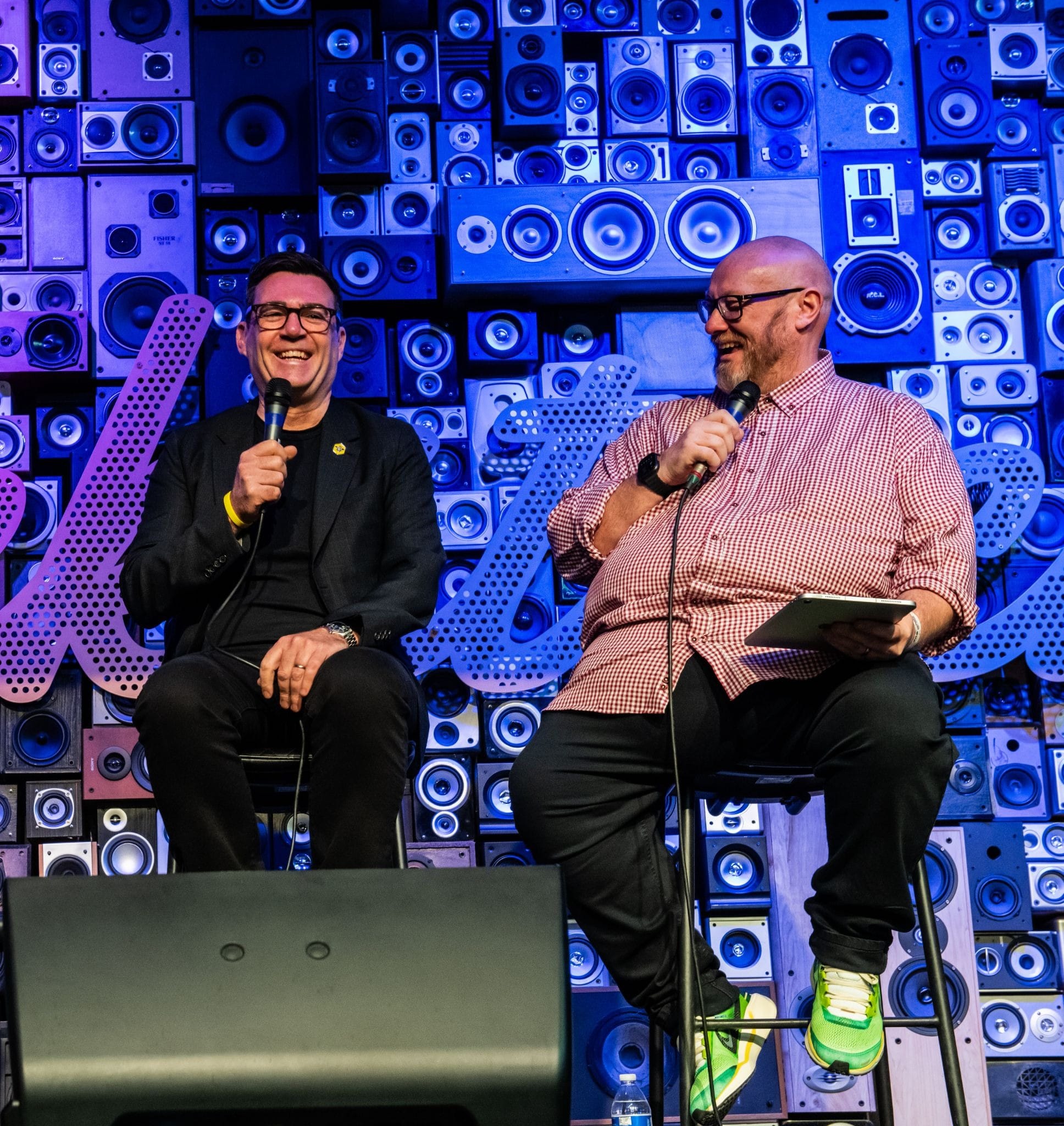
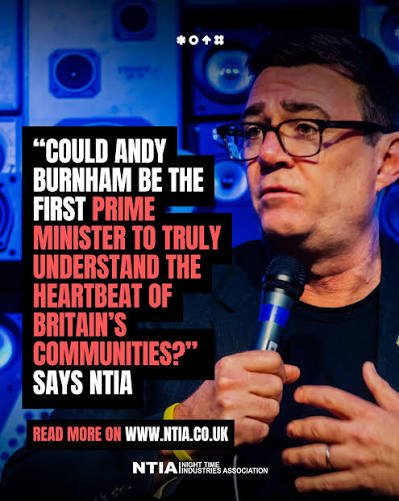
Burnham spoke at the NTIA’s nightlife summit in February and his photo appears alongside other speakers on the event page for the 2027 summit, but his spokesperson declined to say whether the prime minister would appear.
We approached Lord several times about this story, but he has not responded.
‘Agreed in principle’
When Lord stood down as Burnham’s mayoral advisor last year, he said he wanted to focus on “championing the sector on a national level”, apparently a reference to his role as chair of the NTIA, which lobbies the government on behalf of nightclubs, bars, festivals and casinos. He took the role in 2022 and has described the organisation as the “biggest voice for nightlife across the UK”.
In August, the NTIA applied to the government’s Music Growth Package fund, asking for £100,000 for a project called Electronic Music Futures. The project's stated aim was to create "accessible pathways into electronic music and the night-time economy for 16-24-year-olds who are NEET [not in education, employment or training] and people underrepresented in the creative industries.” Proposed events included production masterclasses, large-scale event planning and courses in DJ technology. Documents show that the project was offered £35,000 rather than £100,000, as it “did not fully meet the criteria” of the programme.
The application to Arts Council England (ACE), which administered the programme, proposed a number of partners for the project, among them Beatport (the world’s largest electronic dance music store) and AlphaTheta (the parent company of the ubiquitous Pioneer DJ brand) stating that “[p]artner contributions may include professional time, specialist expertise, equipment access, facilities, learning resources, workplace experiences and financial support.”
In an updated activity plan, sent following the reduction of the budget from £100,000 to £35,000, the NTIA told ACE that they would secure £11,666.67 in matching funds from its partners. The plan said that AlphaTheta and Beatport had “agreed in principle to support Electronic Music Futures,” though they added that the “precise value, timing and treatment of cash and in-kind contributions will be formalised separately”.
The £11,666.67 was not a coincidental amount: it is exactly 25% of a £46,666.67 total budget (£35,000 + £11,666.67), satisfying a mandatory condition of the Music Growth Fund. On its website, ACE says: “For applications between £1,000 and £40,000, you must find at least 25% of the total budget as cash match funding.”
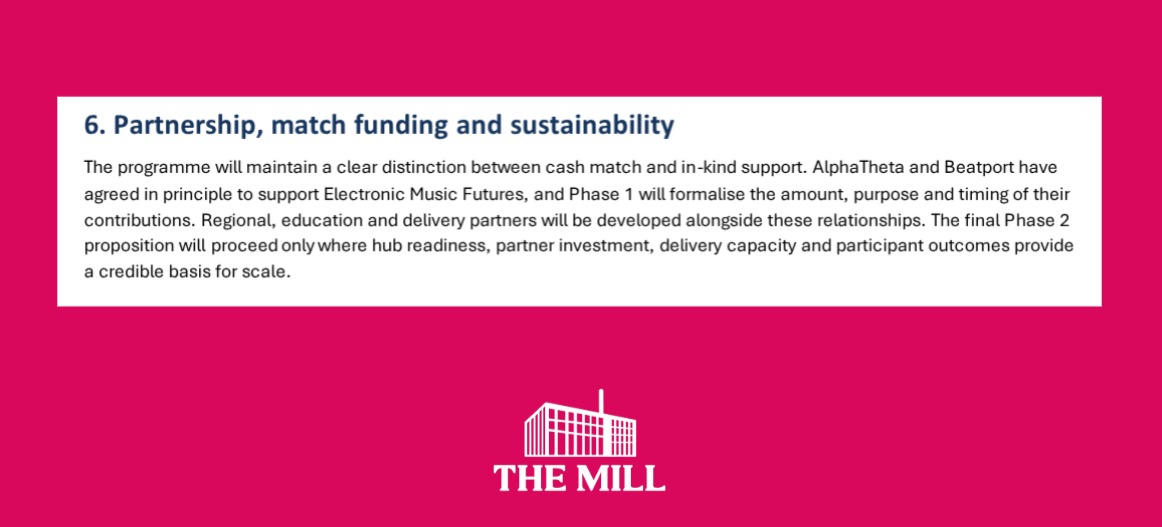
However, representatives of AlphaTheta have since told us that the company has never been approached about Electronic Music Futures, and that they were not aware it was listed as a potential partner in the NTIA’s application to ACE. Beatport told us that they were aware of Electronic Music Futures, but that “no commitments had been made” with regards to funding.
When we first approached the NTIA’s CEO Michael Kill for comment on Wednesday, he told us that the NTIA had reassessed the scope of Electronic Music Futures and that the reduced budget had prevented some workshops from going ahead, but that delivering the programme still “remains a priority”. When we told Kill about AlphaTheta’s response, he denied attempting to mislead ACE.
A spokesperson for ACE has since confirmed that the scheme has now been withdrawn. Kill did not respond to our questions about the NTIA misrepresenting AlphaTheta and Beatport’s involvement in the project. Instead he said “following careful consideration, we have concluded that we will be unable to deliver the Electronic Music Futures initiative to its full capacity and intended purpose with a reduced funding package and will therefore be reapplying for the full £100,000.”
But ACE has told us that the NTIA had already accepted the £35,000 offer before withdrawing from the programme yesterday afternoon. In a statement to The Mill yesterday, ACE wrote: “The project was eligible for funding under our published guidance and progressed through our established assessment processes. As with all public funding, we have robust measures in place to ensure appropriate oversight and accountability.”
Yesterday, in response to our questions about ACE’s knowledge of Lord’s involvement in the NTIA, they responded that they are “aware of the members of the NTIA’s board.” When we asked if ACE’s CEO, Darren Henley, would go on the record saying he believed it was sensible to grant £35,000 to a company charied by Sacha Lord, the Arts Council never responded to the request.
A source from the Conservative Party told The Mill:
“Different leader, same old Labour Party. We saw his terrible judgement when he rushed to defend Manchester City's owners and now serious questions are being raised again. Either Burnham knows exactly what's going on, or he's taken his eye off the ball. Neither is how a Prime Minister should lead. Burnham is not the Mayor of Manchester anymore - he's supposed to be running the country, not a cosy club for his mates. Taxpayers' should not be bankrolling anyone's dodgy dealings.”
We sent that statement as well as Polanski’s comments and the details of this story to a Downing Street spokesperson, but they declined to offer a statement of their own.
If you want to support the kind of journalism we do at The Mill, please consider joining us as a paying member today. It's our paying members that allow us to do investigations like this one.
If someone forwarded you this newsletter, click here to sign up to get quality local journalism in your inbox.