
Dear readers — we know, we know, you just can’t get enough of the byelection, and neither can we. In fact, when Reform revealed their candidate yesterday (a certain media commentator from St Albans) all eyes turned to The Mill to provide the Mancunian media commentary you all know and love…
However, today we’ve decided to give you a bit of a break from the byelection bustle, lest we be forced to rebrand as the Gorton and Denton Mill. Instead, we’ve got Mill-favourite-freelancer David Rudlin writing about a long-lost Salfordian Square, one that has more historic significance than you might expect. Worry not though. Jack Walton is in Denton as we speak, drinking with locals at the Red Lion, eating crab claw linguine with posher locals at Ornella's, and gathering together all the info you need for the byelection byline to end all byelection bylines, coming out this weekend. But first: Rudlin. And before that: your briefing (about the byelection, obviously).
Your Briefing
🍺 We packed into a crowded Denton pub yesterday to watch Reform UK unveil their “fearless” local candidate as the byelection got underway in earnest. The party selected Matthew Goodwin, an academic who once wrote books and articles studying radical right-wing ideas and has since embraced them, becoming a favourite pundit for GB News. Goodwin’s selection suggests that Reform wants to run a race that leans into the culture wars, and his speech described the country as in “managed decline”, complaining about unchecked immigration and “houses of multiple occupancy” paid for by taxpayers. Why would voters in Gorton and Denton select a southern media commentator (he grew up in St Albans) as their MP? Goodwin mentioned that he has family connections here, came to the city for university and once delivered pizzas in the seat while he was studying (in Trumpian style, he claimed that delivering three pizzas in half an hour was “a record”).
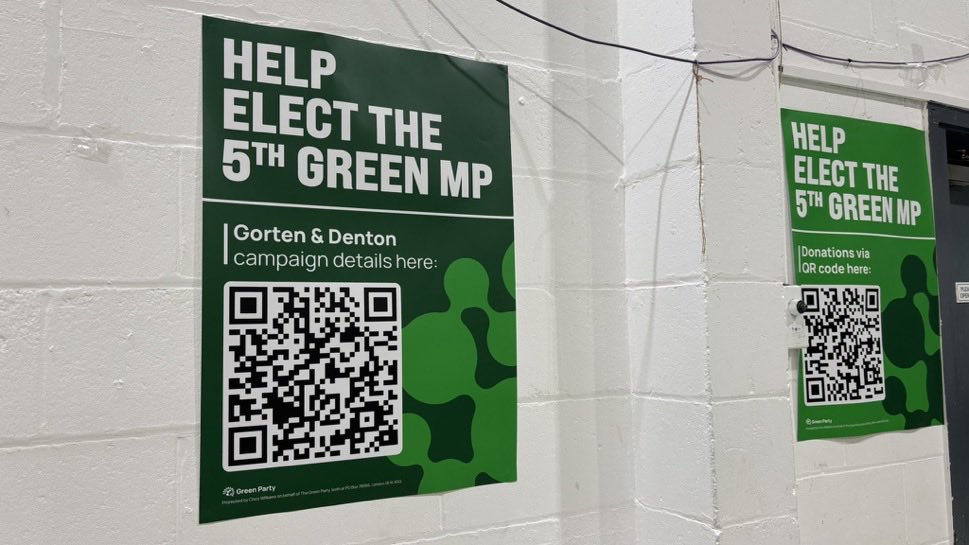
We still don’t know who is going to represent the other two parties in what is expected to be a three-party race: Labour and the Greens. The journalist Michael Crick reports that Bury council leader Eamonn O’Brien and Manchester councillor Angeliki Stogia are the leading contenders for Labour, with one of them being chosen in the days ahead. The Greens are the party who seem most confident of winning the byelection if off-the-record briefings to lobby hacks are anything to go from, but their campaign got off to a shaky start last night when posters at their press conference referred to “Gorten”. Can Labour win the seat without Andy Burnham? Joshi spoke to Sky News about that last night.
💸 When you think of Warrington, you might think of its landmark blue Unilever factory, for centuries sprawled across the skyline, establishing a long legacy of soapmaking in the town before falling into dysfunction in 2020. Or you might think of that area smack bang in the middle of Manchester and Liverpool that isn’t quite one or the other, but somehow gets lumped in with both. You’d less likely think of a “southern economy in the north”, a place characterised by soaring economic growth (2.2 times faster than the national average), and one where residents have the most disposable income of any northern city.
Monday’s report from Centre for Cities looked at 11 towns and cities in the UK that have been top performers in terms of growth over the past decade, and Warrington is right up there. In fact, it had the highest total economic growth of any of the locations in the past 10 years, at 41%. Its adaptability is seen as a key part of its success, with the former Unilever factory currently being transformed into an AI data centre. The report also points to great transport links and a thriving nuclear sector, which meant Warrington wasn’t as badly affected by deindustrialisation as other nearby towns like Wigan and Leigh. “If you took the whole economy and plonked us in the south-east, we wouldn’t look out of place,” Stephen Fitzsimons, chief executive of Warrington Chamber of Commerce, told the Guardian.
🕯️Yesterday was Holocaust Memorial Day, a moment to remember the millions of people murdered under Nazi persecution. For Manchester’s Jewish community, who are living in the wake of the deadly terrorist attack in Crumpsall last October, and the more recent targeted attack in Australia last month, it marks a particularly important moment of reflection. In Salford, Shana Korn told the Manchester Evening News that the day strengthens the community’s bond. “We all feel connected to one another through it. We have all been touched by it,” she said.
Salford’s Lost District
I’m an urban planner by trade. I spend my days creating master plans for developers and local authorities to shape the way places are developed. It involves a lot of maps, particularly when we get to the part where I dig up historic maps of a site to understand the past, which is important before planning its future.
This process is always fascinating. But there was one occasion, involving a site in Salford, that really blew our minds. This is the story of Salford’s lost market district.
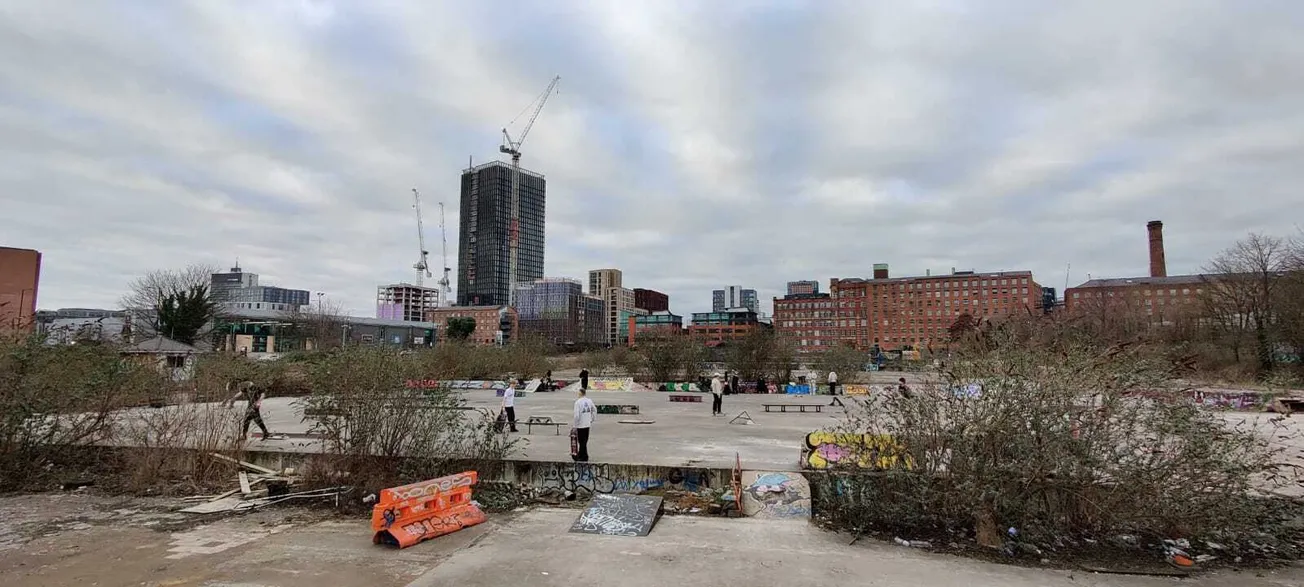
The year was 2006. My firm had been asked by a developer to look at the Greengate area, where they owned a couple of sites. Today, Greengate is a cluster of residential towers, a stone’s throw from Manchester Cathedral, but back then it was mostly derelict land and cinder car parks for commuters.
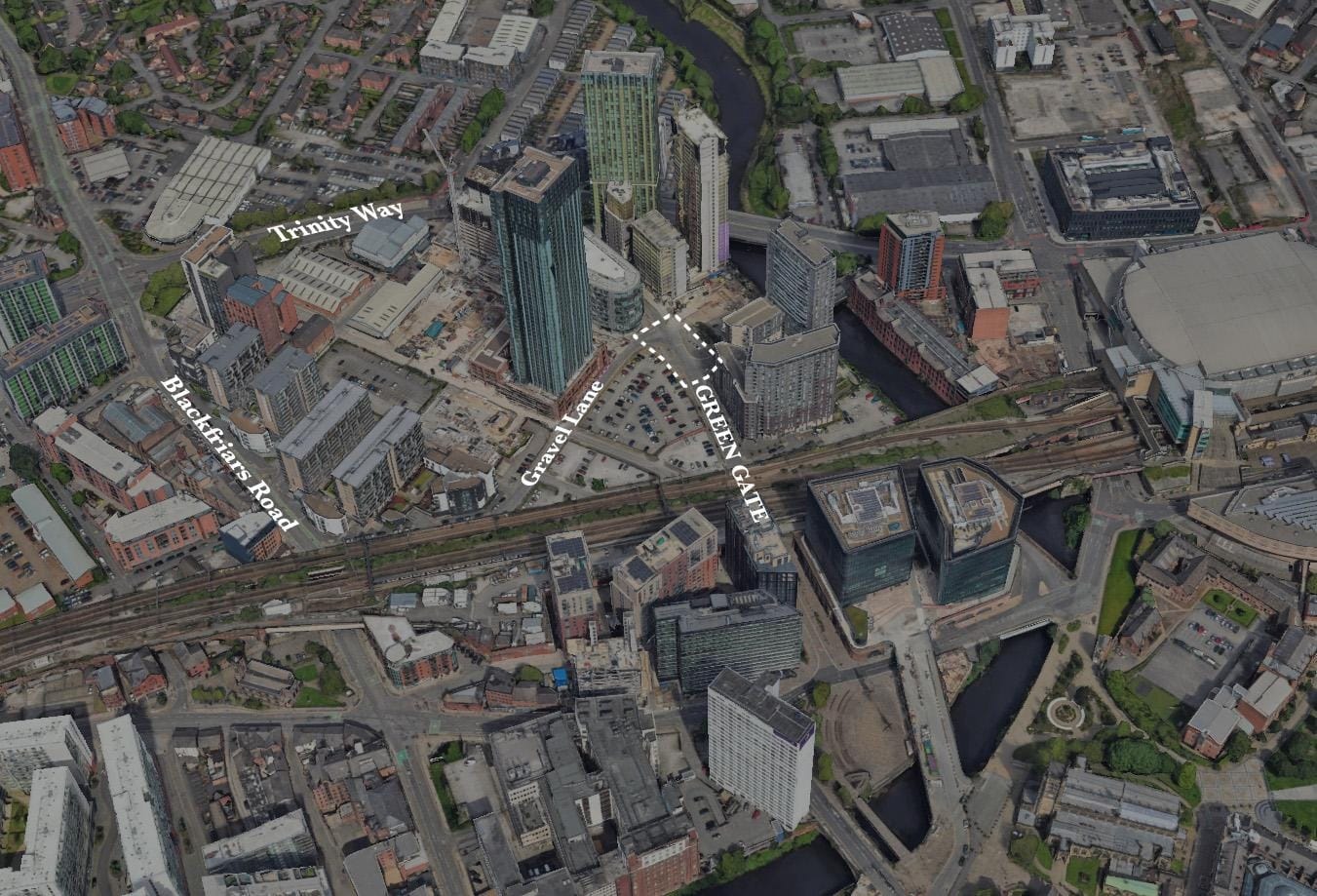
There were however two clues that pointed to a much more interesting past lurking below the pay and display signs. The first was the name of the main street running through the area, Greengate. ‘Gate’ does not refer, as some assume, to a gate. It is rather a Viking word for an important street, implying that Greengate is both very old, and was once one of the main streets leading out of the town, along with Deansgate and Millgate.
The other clue was the strange configuration of the pavements at the junction of Greengate, and Gravel Lane. Why were the pavements so wide? It almost looked like a square…
But we’re getting ahead of ourselves.
Let’s explore the history of this area in reverse through seven maps. The story they reveal is a microcosm of the history of Manchester and Salford and the way one the city’s oldest quarters has been assailed by Manchester’s growth — and all but obliterated.
You can help make great journalism happen.
At The Mill, we believe Manchester deserves high-quality journalism. By signing up as a member, you don’t just get the rest of this story — you get four great features delivered to your inbox every week, and the knowledge that you’re supporting a new model of local news, that puts quality and honesty first.
SubscribeAlready have an account? Sign In