
Recently, an editor I know received an intriguing pitch from a freelance journalist about Gravemont, “a decommissioned mining town in rural Colorado that has been repurposed into one of the world’s most secretive training grounds for death investigation”.
It was exactly the kind of story the editor – Jacob Furedi – was looking for. He had recently launched Dispatch, a newsletter dedicated to in-depth reporting, and the Gravemont pitch seemed to fit the bill. It had mystery, drama and the potential for a great narrative.
But something about it didn’t add up. When Jacob tried to find more details about Gravemont, he couldn’t find anything online. He soon realised the decommissioned mining town in Colorado didn’t exist.
What was going on? Jacob contacted Press Gazette, who started digging into Margaux Blanchard, the writer who had pitched the story. Blanchard had written for major publications like Wired and Business Insider. But those stories also seemed too good to be true.
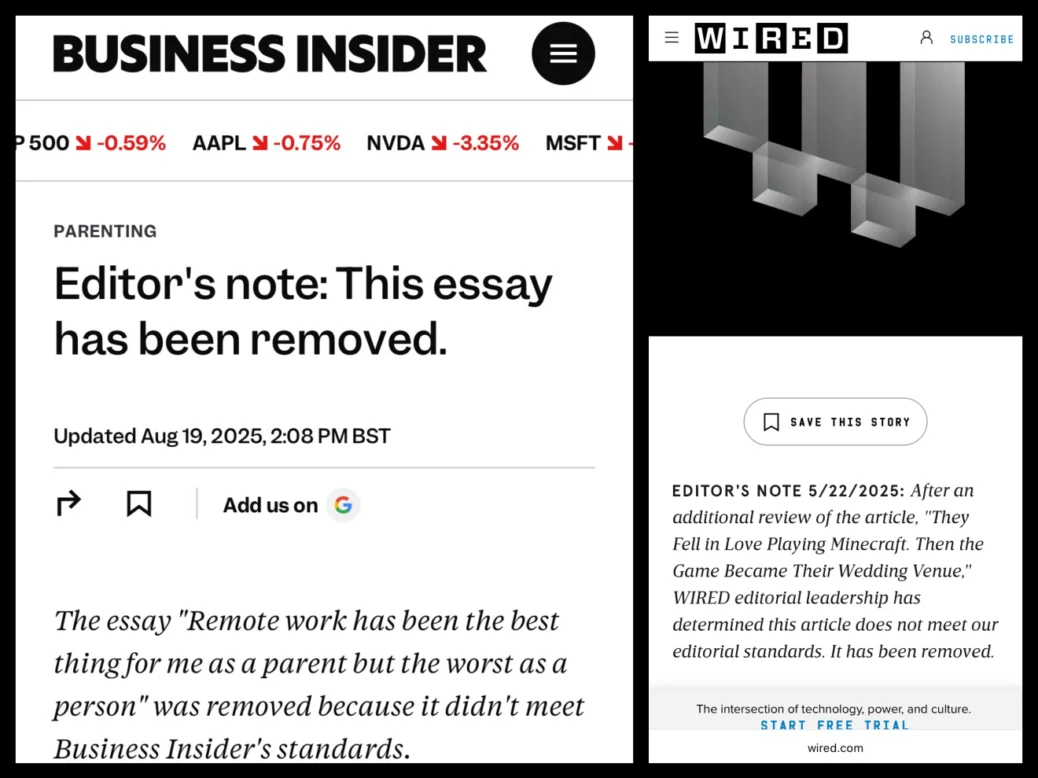
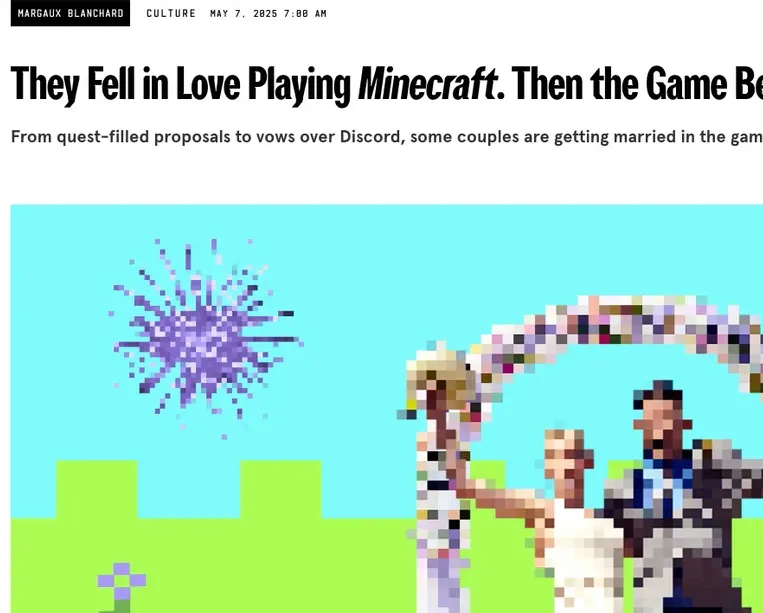
A Wired feature under Blanchard’s byline about couples getting married in online spaces included quotes from people who had left no trace online (Wired have now removed the piece and have “taken steps to ensure this doesn’t happen again”). Business Insider also removed an article by Blanchard, as did the local news website in San Francisco, SF Gate.
The likely conclusion of all of this? Blanchard was a made-up name and her stories for these well-known websites were likely “AI-generated works of fiction”, as Press Gazette reported.
Instances of AI being used to manufacture fake newspaper stories are coming thick and fast. In Wyoming, a local newspaper was caught publishing AI-generated quotes in its news articles last year, including totally made-up words from the state’s governor.
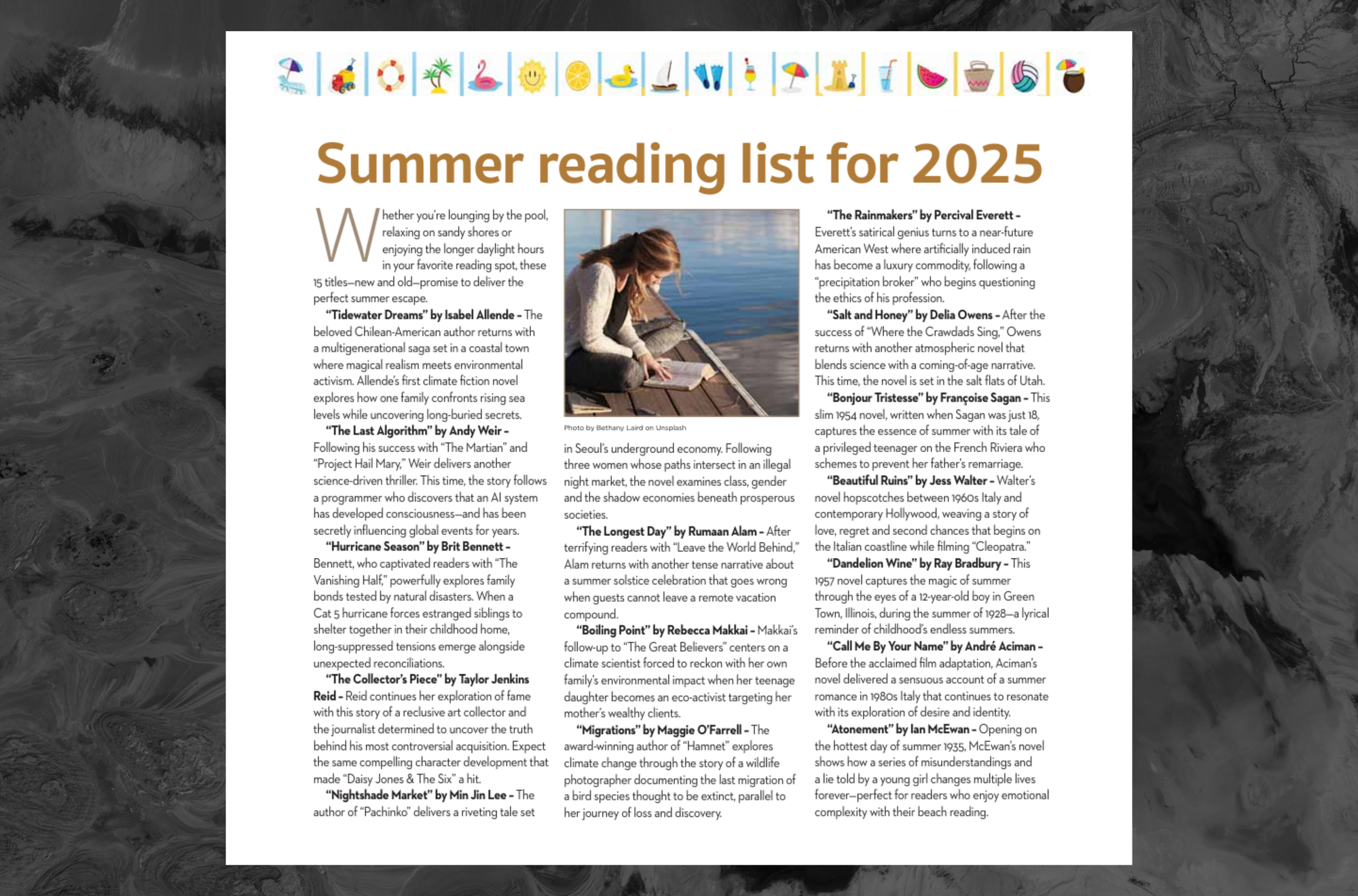
In Chicago, the storied Chicago Sun-Times recently produced a summer reading list that included brilliant reads like Hurricane Season by Brit Bennett, Nightshade Market by Min Jin Lee and The Longest Day by Rumaan Alam. You may know these authors, but you’ll struggle to get your hands on the recommended books.
As it soon transpired, they were invented by an AI chatbot which the freelance journalist relied upon to produce the piece.
And if you own an iPhone, you may have been subjected to some AI-generated nonsense without even realising it. Apple’s much-heralded AI software promised to serve readers notifications summarising stories from major news publications, but was caught hallucinating stories, including providing the update that Israeli prime minister Benjamin Netanyahu had been arrested.
I get lots of pitches from journalists who want to write for The Mill, but I don’t think I’ve had any from AI-generated writers yet, nor any AI-generated stories. Would I spot a made-up decommissioned mining town on the edge of Wigan in a pitch that dropped into my inbox? Please pose as a freelancer and try me.
As it happens, I think there’s a useful role for AI in journalism. Used carefully, it can aid investigative journalism by summarising the contents of long documents or producing transcripts of interviews, saving journalists hours of work so that they can focus on more important work. At times, I find it works extremely well as a more effective way to search for information on the internet than a simple Google search.
But I think there is a reckoning coming when it comes to AI and journalism: a moment where we will have to decide what we want from companies that are tasked with telling us the truth.
Ever since I started The Mill, I’ve tried to make this publication as human as possible. When we started out in June 2020, ChatGPT was still a couple of years away, but the large companies who control local newspapers in this country felt more and more like scale-obsessed content farms and less like companies that cared about the value of human reporting. In one of my first ever editor’s notes, I wrote about MEN reporters being asked to write 14 stories in a working day, forcing them to rewrite press releases and robbing them of the chance to go out and do any reporting.
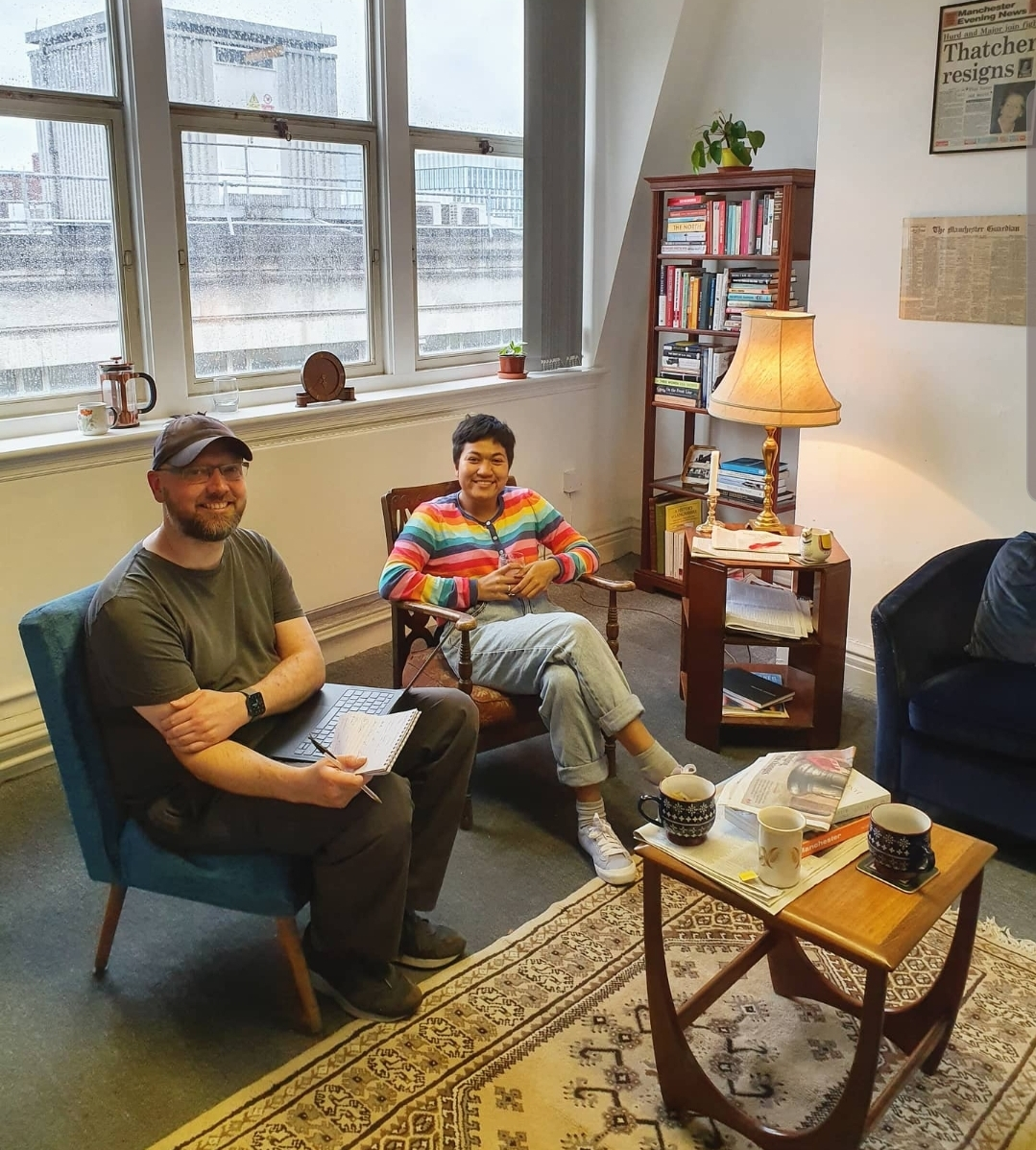
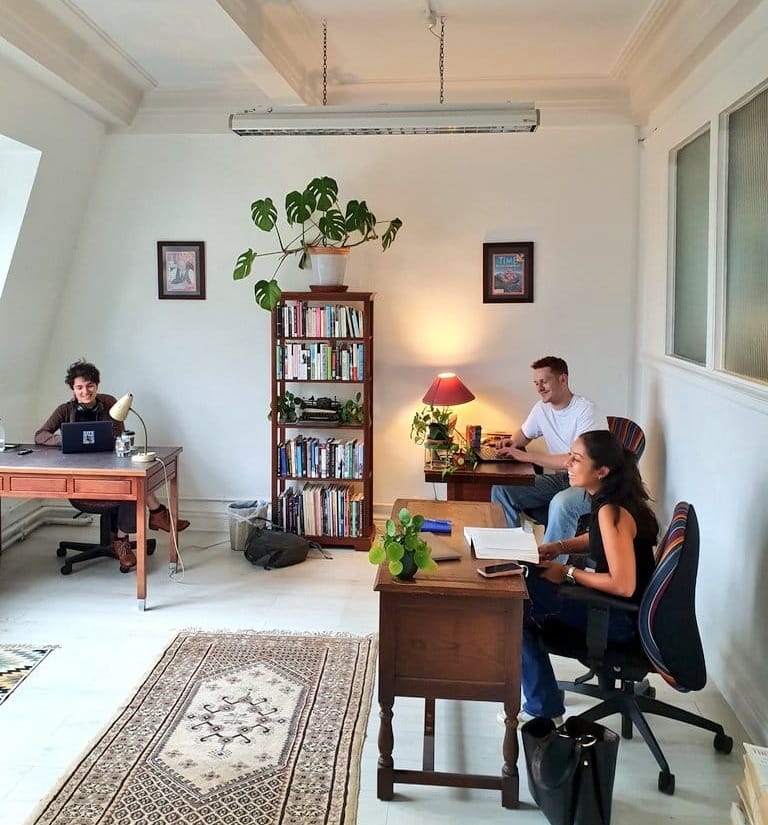
The Mill has always been a publication produced by a small team of real people based in an office in the city centre, who spend days or weeks looking into the stories they are working on. You, as the readers, know the names of our team of journalists when you read our stories, and you know the processes we go through to report them, because we tell you.
It isn’t the most efficient way of producing information – far from it. And it doesn’t mean we avoid making mistakes – AI bots certainly don’t have a monopoly in that domain. What it does mean is that you know that there is a group of talented, hardworking people who are out there reporting on your city on your behalf, and giving you their best version of the truth so that you can understand the world a little better.
We could produce a much higher volume of stories if we were hiring “AI-assisted” reporters, following the example of the regional publishing giant Newsquest, which owns the Bolton News and Bury Times and has created 36 such roles. But we couldn’t produce investigative journalism that requires being on the ground to meet people and check things for ourselves.

Welcome to The Mill: an award-winning email newsletter that sends you great stories, proper local journalism and peerless writing about life in Greater Manchester. 58,000 people have already joined our mailing list. Just hit that button below to join up for free.
Mollie’s stunning investigation into the University of Greater Manchester earlier this year, which has led to a fraud investigation and house searches by the police and the suspension of the university’s vice chancellor, could not have been done by AI. It involved building trust with human sources and meeting them in person. It required people looking at a human reporter and saying: yeah, we trust her to tell this story.
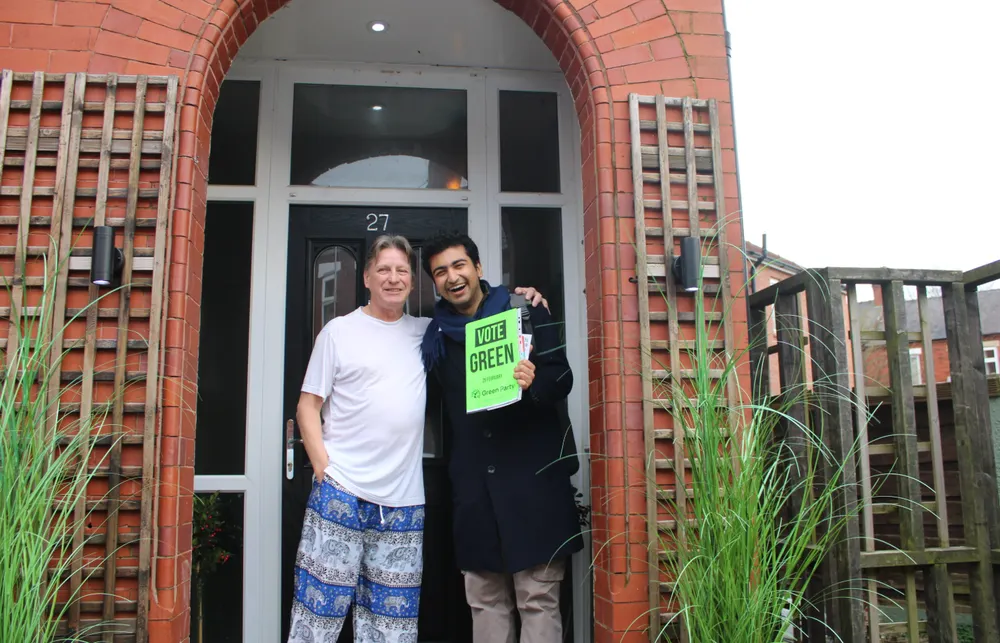
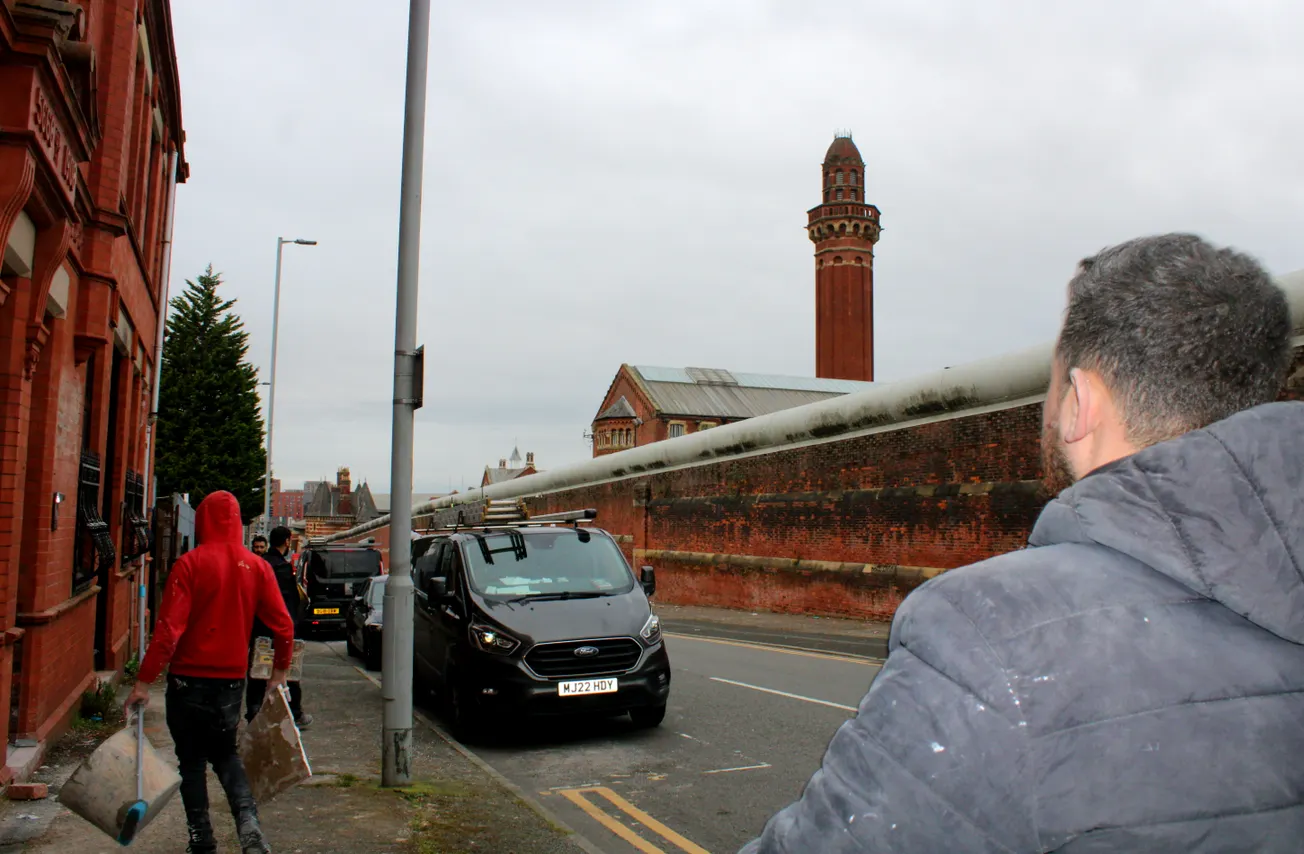
Jack's brilliant piece yesterday, revealing that a man putting up flags across the city centre to protest the government's immigration policy is a convicted people smugger who himself tried to bring people into the country illegally, couldn't have been done by AI. It combined fantastic human reporting with great writing.
The story has blown up on social media this weekend, getting more shares than anything we've published this year. "Superbly written" one person said on the social network Bluesky. "Fantastic door knocking, boots on the ground reporting," posted another.



Posts about Jack's story on Bluesky this weekend.
A third person wrote: "Local journalism has been decimated in recent years, but this shows the beauty of it when done well. Knowing the area, knowing the leaders, digging around in the streets."
Our approach is based on the idea that journalism is a job best done by human beings. And in the coming years, I think readers will come to appreciate having human journalists who can act as a guide to the world, creating journalism that connects with people on an emotional level, and giving you a real human link to what’s happening in this city.
If you’re reading this and you believe in our way of doing things, I’d love you to support us by becoming a Mill member now. Doing this kind of journalism isn't cheap, and we currently try to do it with a very small team.
It's tough to publish investigative journalism with a team of four people at the best of times, let alone when two of them are on well-deserved summer holidays, or one of them is ill. Right now, we have just shy of 3,500 members, and we're aiming to get to 4,000 by the end of the year. That means we need just 1% of Millers on our free mailing list to join up as members to allow us to expand our team again.
You can currently get a membership for just £4.95 a month for your first three months, a 45% discount on our normal price. You can also join as an annual member (with an 18% discount) or super supporter.
In return, you will get eight extra editions of our journalism each month, admittance to our must-read comments section and invites to our in-person events. Plus: we will soon be announcing some extra ways that paying members will get access to our team.
Most importantly, by joining as a member, you will be heroically standing between us and the media's inexorable slide into AI-written dross. Thanks for your support.