
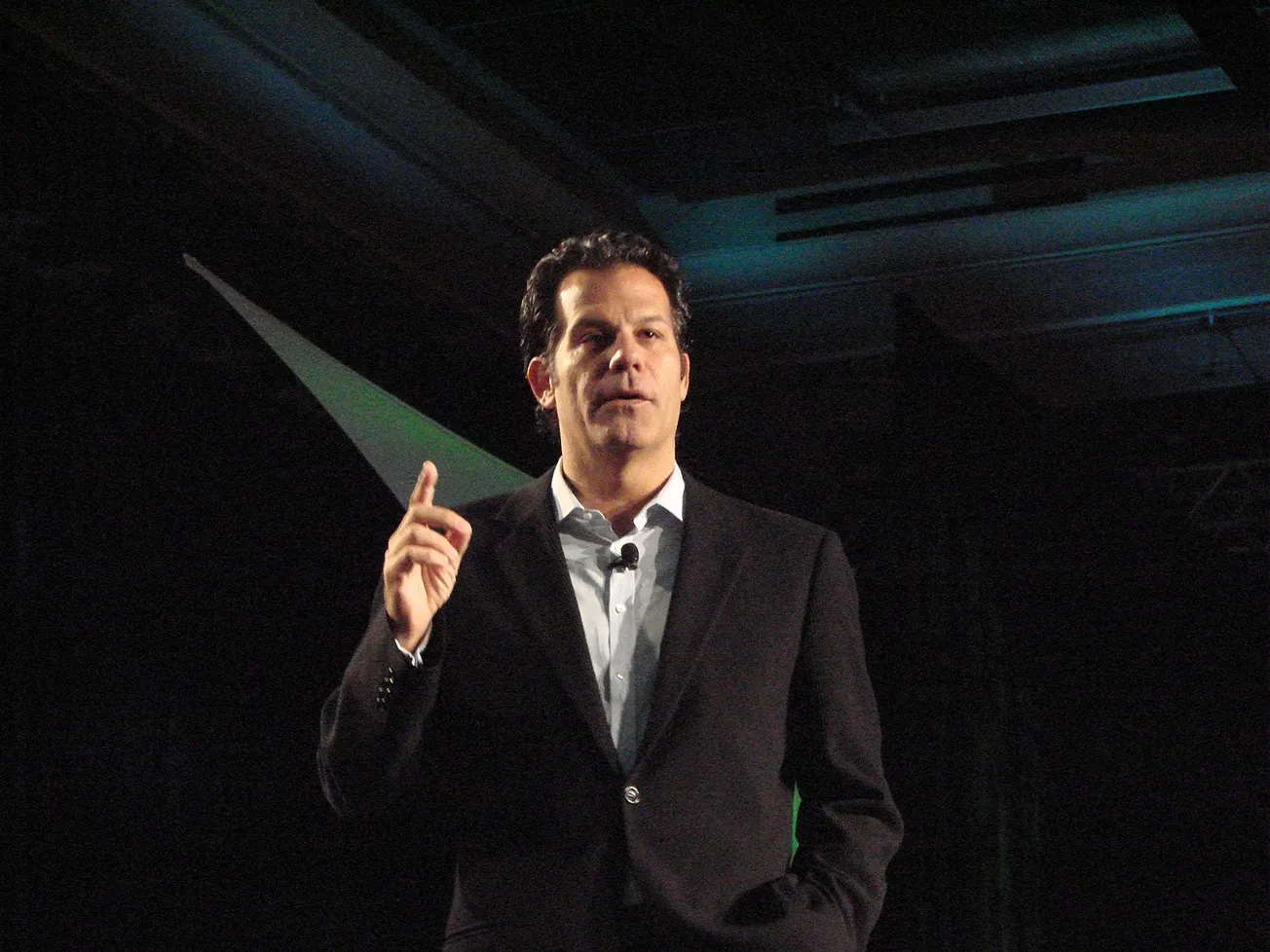
It was a few years ago in Cork, in Ireland, that I finally had the chance to meet Richard Florida. At least in urbanism circles, Florida was a superstar, best known for his 2002 book The Rise of the Creative Class, which caused a huge stir because it turned on its head all the theories about why cities are successful.
After its publication, Florida had been hailed — and chastised — as the ultimate champion of gentrification. Fairly or otherwise, he was credited with the transformation of cities and neighbourhoods from derelict wastelands to boujee and thriving, even if some felt at the expense of those who had been there in the first place.
Florida had been flown into the event in Cork at great expense. The packed-out hall was pregnant with anticipation as I got up to introduce him in my role as chair of the Academy of Urbanism — everyone gathered was hoping for valuable insights into re-generating their cities. But Florida had bad news: there was a problem with the theory that had made him famous. What he said that night tells us a great deal about the problems Manchester faces today.
You can help make great journalism happen.
At The Mill, we believe Manchester deserves high-quality journalism. By signing up as a member, you don’t just get the rest of this story — you get four great features delivered to your inbox every week, and the knowledge that you’re supporting a new model of local news, that puts quality and honesty first.
SubscribeAlready have an account? Sign In