

Growing up, whenever I’d talk about what I wanted to be — a martial arts instructor, for some reason, or a rugby player, or a journalist — my dad would wave away the career itself as a secondary priority. There was something more important to remember.
“Whatever you do,” he’d say. “Just never work shifts.”
Last Saturday, he worked his last ever shift at the Kellogg’s plant in Trafford Park. He walked back in the house wearing his joggers and trackie top, saying “hola” a beat after the sound of the door closing. It was how it had always been; though my sister, my mum and I looked at one another with a slight uneasiness, wondering how he was going to be about it all.
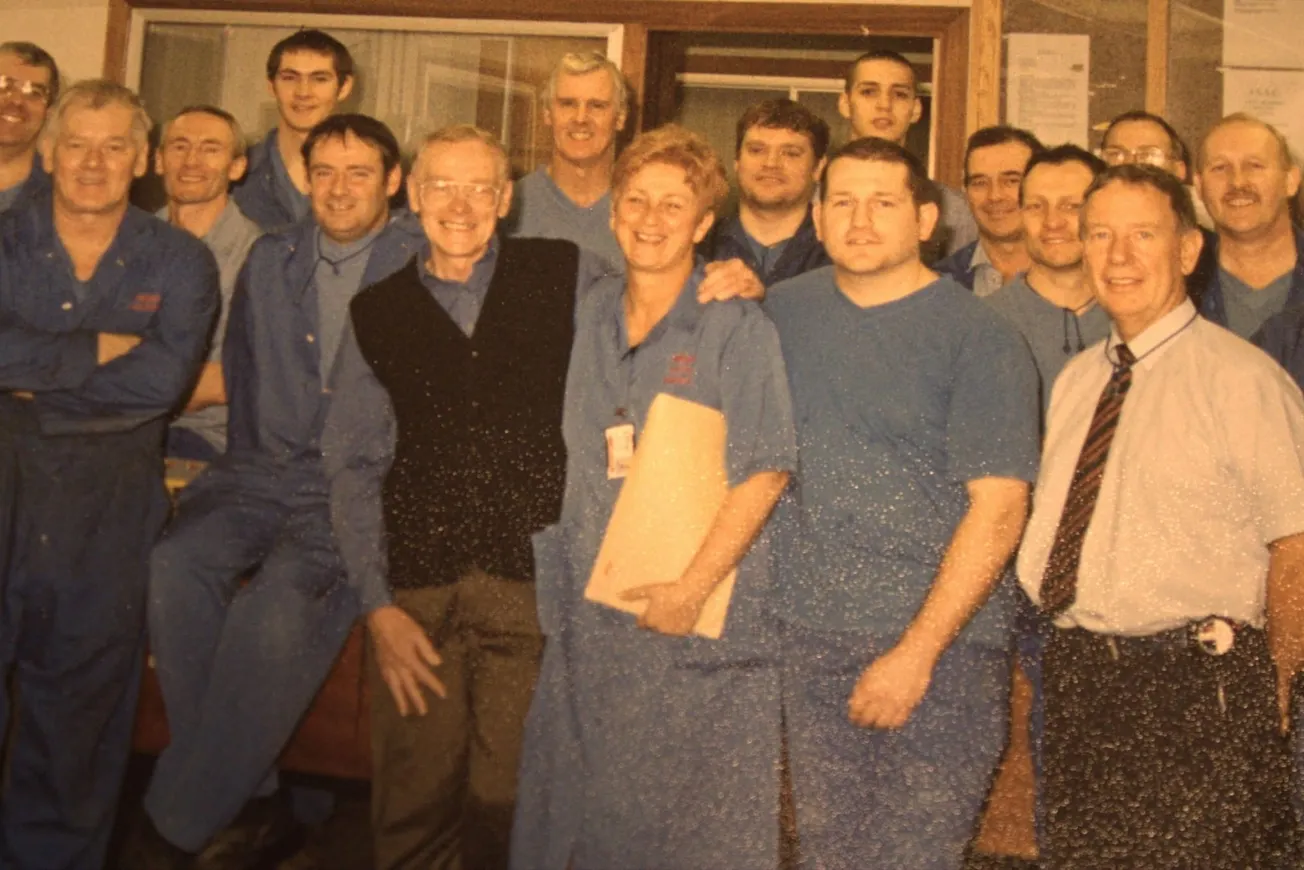
See, for most people, Kellogg’s is just that factory that makes a swathe of Greater Manchester smell of cornflakes sometimes. But my dad worked there for 32 years, 35 if you count his time as a temp — as he will readily remind you. My grandad worked there for 28 years before that. They worked together for a few years in the middle. But for 60 of the 88 years the factory has been there, someone with the name “Dulhanty” has been on the payroll.
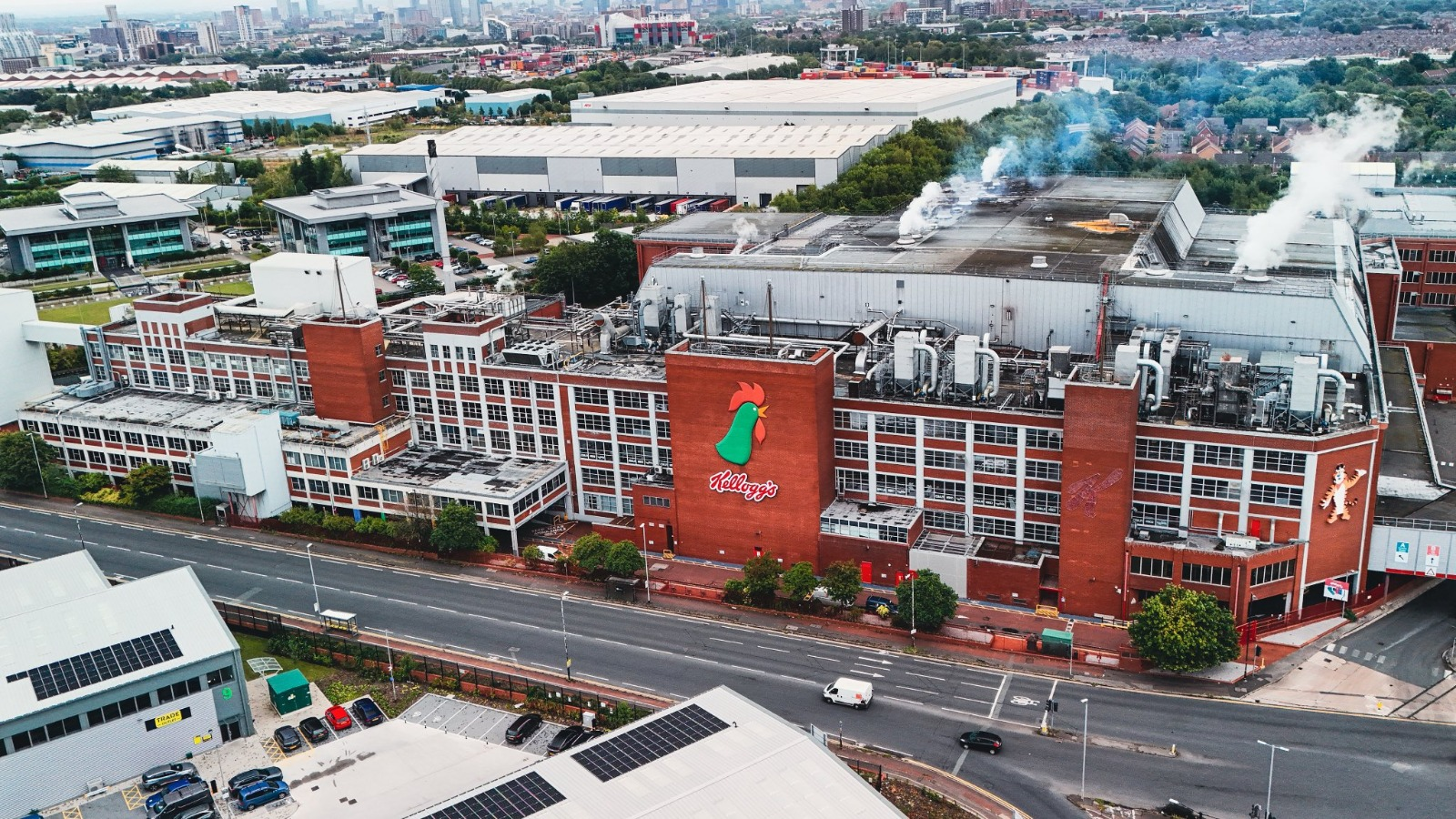
Two years ago, while in the queue at the pharmacy with my dad, he got the news about the factory closing and said something along the lines of: “bloody hell”. Neither of us gave it too much thought after that. My dad was nearing retirement anyway, and he’d been “making Rice Krispies” – as I had grown to say – for my entire life and gently warning me against doing the same for just as long. But over the last week, as the final few workers have left the factory, and as it enters the next stage of being cleared out and demolished, I can’t help feeling like a building that contains a part of me, and my family, is about to disappear.
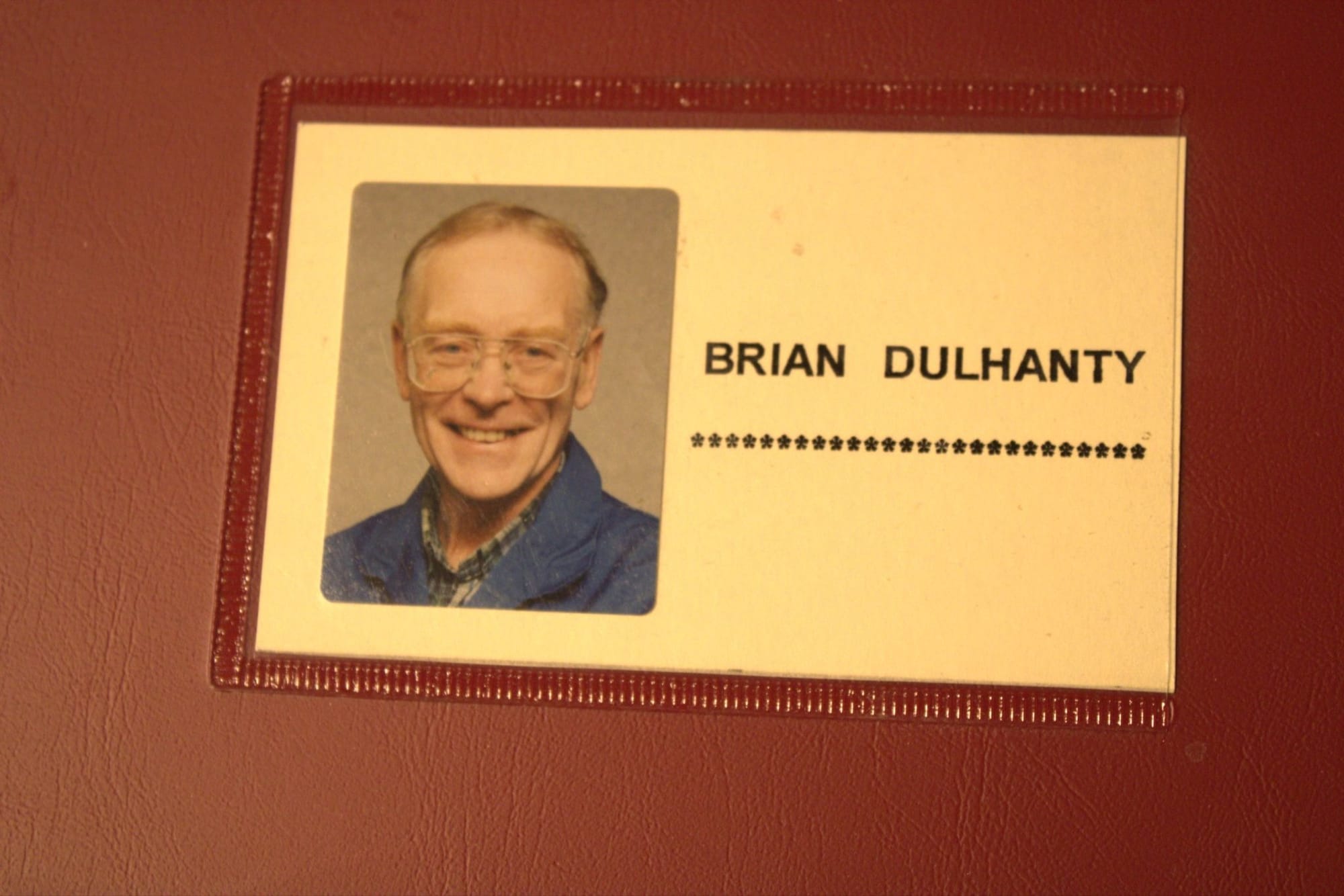
So the other day we went up into the loft to find a folder of Kellogg’s memorabilia from my grandad Brian’s time working there. As is the case with lofts, you take one thing out and find some other hoarded memory: one of the envelopes containing pictures of Brian at work also contained, inexplicably, an ultrasound of my sister.
But there was a red, leather-bound folder with his picture in the top right corner, smiling a smile I recognise as my own from behind wide, wire-rimmed glasses. Inside were letters from the likes of Jean-Louis Gorbin – who I’m sure you’ll all know as the 1999 executive vice president of Kellogg’s Europe — thanking my grandad for his service. Not to mention Peter Eriksen Jensen, director of the company’s European supply chain, wishing him well in his retirement.
My grandad rode to work, from Swinton to Trafford, every day on a Puch racer: a bone-shaker of a bike. To use the parlance of the factory, he leathered the overtime. In fact, he’d fall into something of a mild depression if he missed the opportunity to pick up an extra shift. He loved his colleagues, who he counted among his close friends, particularly the two Vinnies – Vinny G and Vinny Brown – Brown a garrulous karate enthusiast, G far more taciturn. Apparently he never took a sick day, or ever wangled an early finish. I have no evidence to back that up other than that I knew him, and it sounds about right. When my sister was eventually born, my dad went out into the hospital corridor of Trafford General to find my grandad there wheeling his bike in having come straight from a 12-hour night shift. “He had that bike with him bloody everywhere,” is my nana’s refrain.
My grandad was a sheet metal worker at the factory and installed the giant “scrubbers” – which are, for the sake of brevity, dust extractors as tall as a terraced house – and maintained the many other fittings that spangle the factory’s vast roof. On the wall next to my degree certificate and my mum’s degree, master’s degree and other valedictory notices, is my grandad’s Union of Lancashire and Cheshire sheet metal trades course certificate from 1960 (and also my dad’s 2024 line-breaking certificate, showing that he can identify failures in common pipework; he finds it very funny).
In 1994 my dad joined the plant – full time – as a process operator. His locker number was 308, and he would take the lift to the space between floors two and three called the interfloor, where mere rice was rendered as Krispies. Though none of that was necessarily what got him out of bed in the morning. “I did it for the money. It’s why everyone goes to work. You’ve got kids to bring up and holidays you want to go on. It’s just the right way to live.”
There were also the people: “the best people you could ever meet.” There was Clarkey, Millsy (who in a case of nominative determinism is also a Mill subscriber) and his dad Ellis; there was Terry Bowen, who had the locker next to my dad’s; Pete Thorpe, who sometimes dressed as a man riding an Emu in the canteen (Why? “He was a character!”); there was Simon Tesla, whose dad and uncle – two identical twins – both also worked at the factory.
I grew up regaled with stories of Great Honey Spillages, or just the general antics of my dad and his friends. I imagined it, like any kid would, as a kind of Wonka-esque wonderscape with geysers of Crunchy Nut Cornflakes (invented at Trafford Park) and Coco Pops. The reality is the factory, or what I’ve seen of the inside, is a maze of old tile and steel.
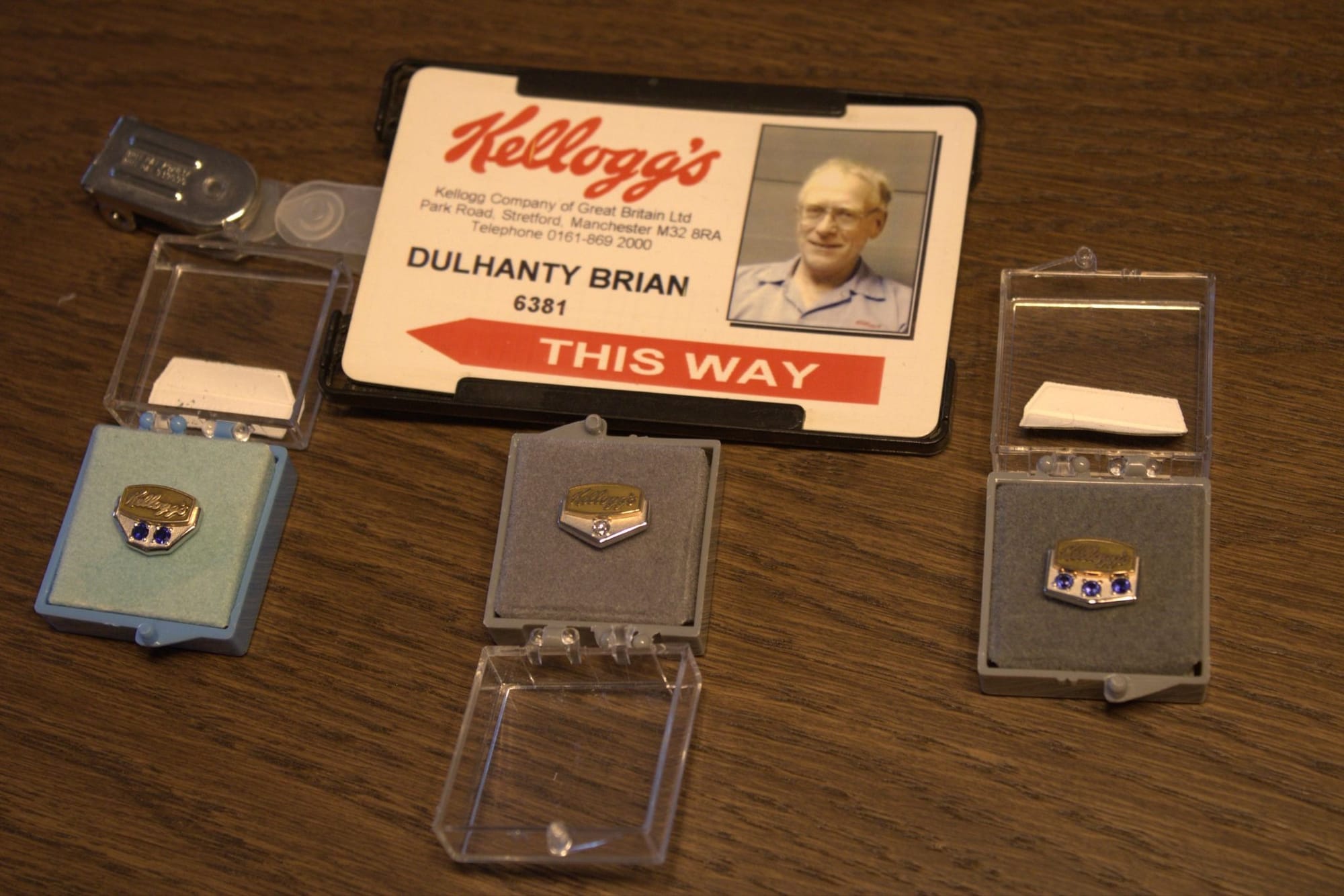
But I know amongst it was an echo of my grandad for my dad; that walking into a place his father had spent so much time in gave it a different quality. I know that after my grandad died at the tail end of 2023, that echo was still there for him. And I know that as the building nears demolition, that same essence of my dad and grandad will come down with it.
And that is causing a strange kind of grief for me. A grief that has been replicated tens of thousands of times over in the people that worked there and their families in the past few weeks and months. People who, like me, had fathers, mothers, grandmothers and grandfathers work at the factory and who learnt its ways through them. Then the people who still worked with family at the factory, day in, day out, and will now have to move on somewhere else.
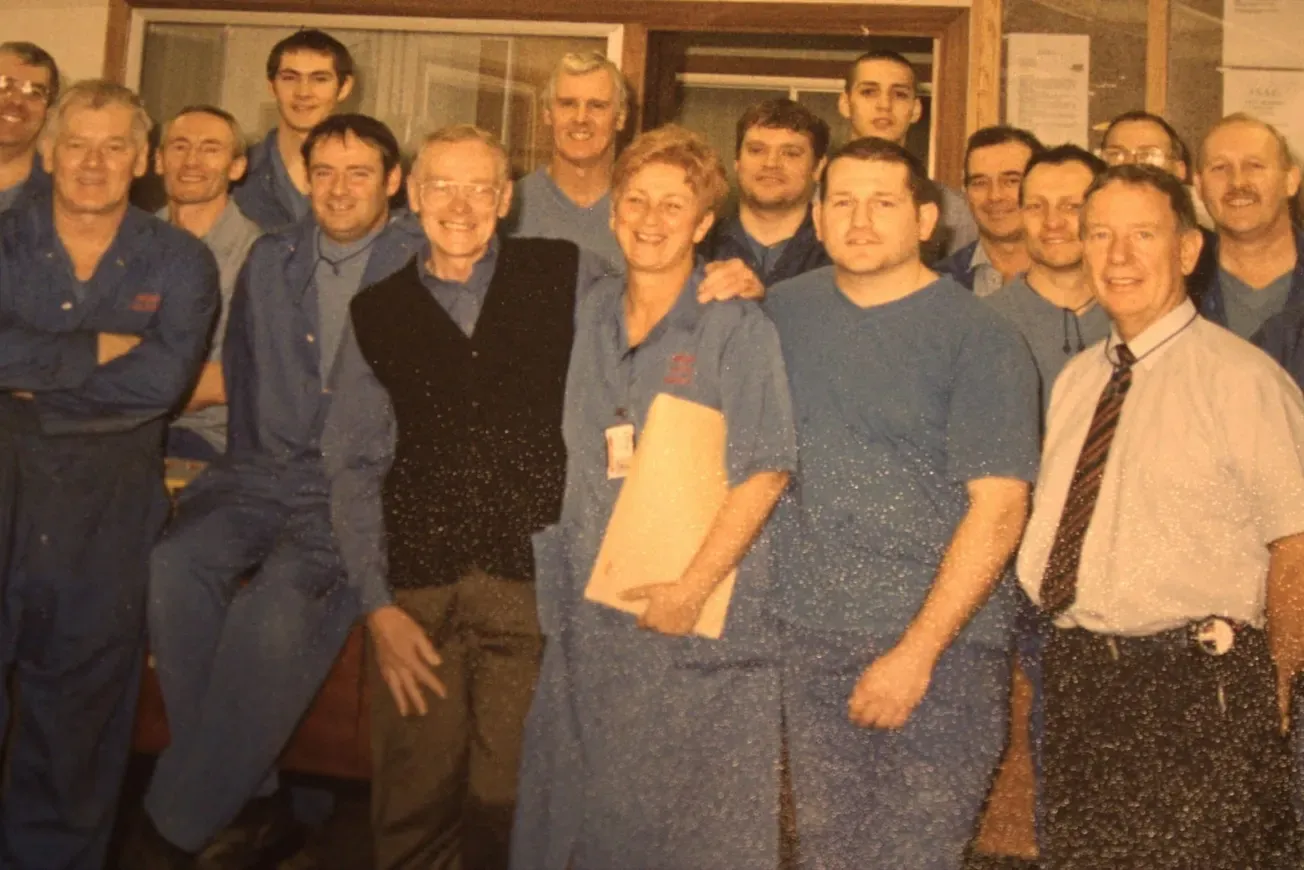
"They used to call it a job for life," my dad said to me over the phone yesterday, for this story. "And I know it wasn’t, for the younger ones. But it served me well. It’s just a privilege, working there."
I only ever saw my dad in the factory once. I was maybe seven, coming back late from my gran’s house in Sale. My mum had called ahead to the factory to tell him we were on our way. The building was a steaming edifice looming against the night sky and almost blending into it, dotted with lit-up windows. Framed in one was the unmistakable silhouette of my dad, waving. It’s one of those early childhood memories that you could mistake for a dream.
About a year after the closure was announced, my dad picked up a habit of having a coffee in one of those windows every morning as he ended his shift. He’d watch the lorries arrive with the grain, or the tractors collecting the cereal waste that became animal feed. “I used to like watching them come in, the lads,” he said. “I used to like sitting there, watching the outside world coming into work, and thinking: ‘I’m going home now.’”
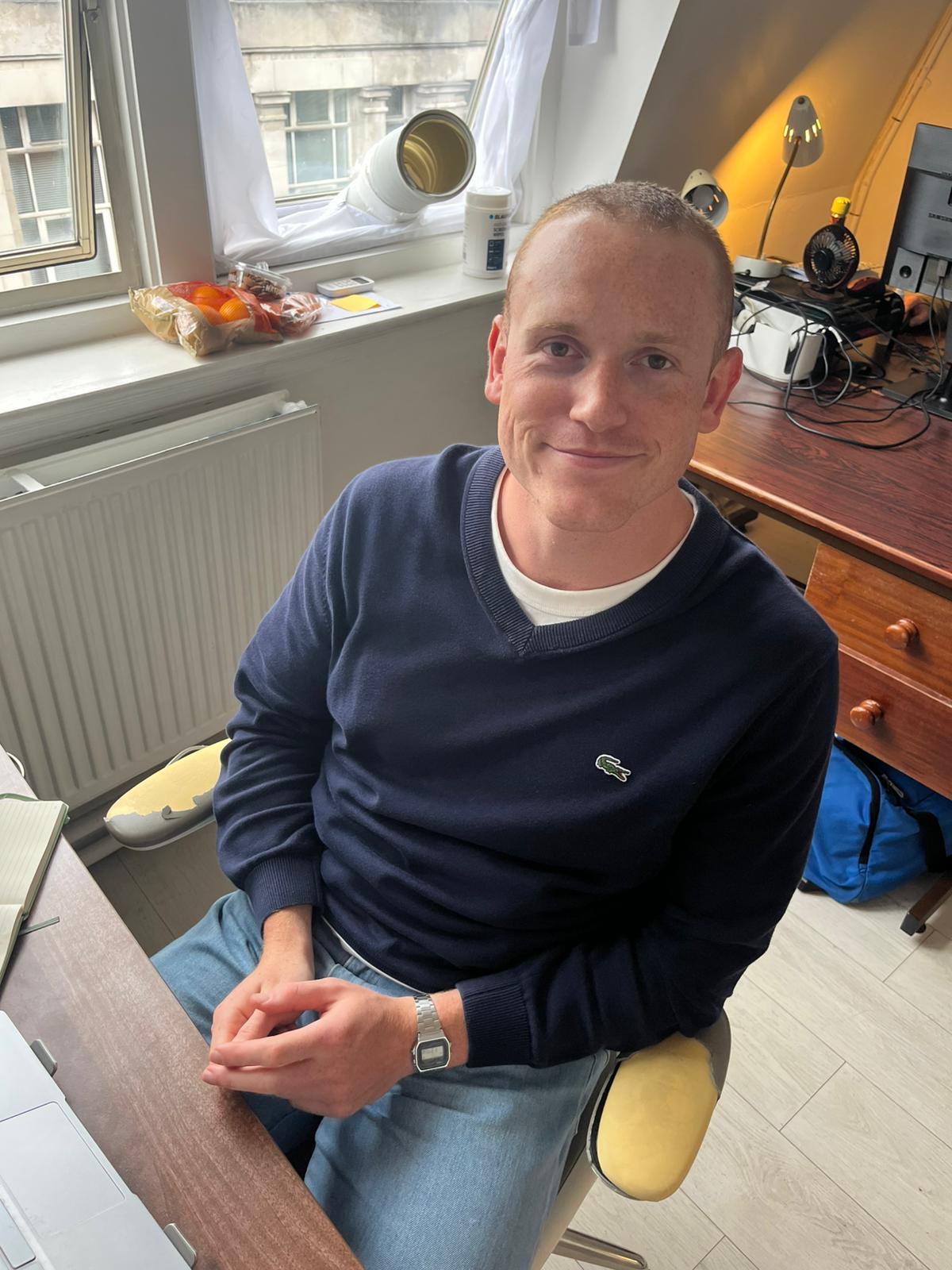
Hey! Jack here, son of Jason, grandson of Brian, author of this piece.
I've been a staff writer at The Mill since 2021, and between my usual work, I'm proud to be able to write brief personal histories like this one - whether they're about me or other people living in Greater Manchester.
Stories such as these are free to read, but our investigations, deep-dives and extensive features take a lot of time and money to produce. They, and this story too, are only possible because of our paying members.
We'd love it if you signed up as a Miller today. For £8.95 a month, you'll be supporting in-depth local journalism in Greater Manchester, not just in finding scoops, but in writing human stories like these. We hope you sign up - click below to do so.
If someone forwarded you this newsletter, click here to sign up to get quality local journalism in your inbox.


