
A Christmas present for you 🎁
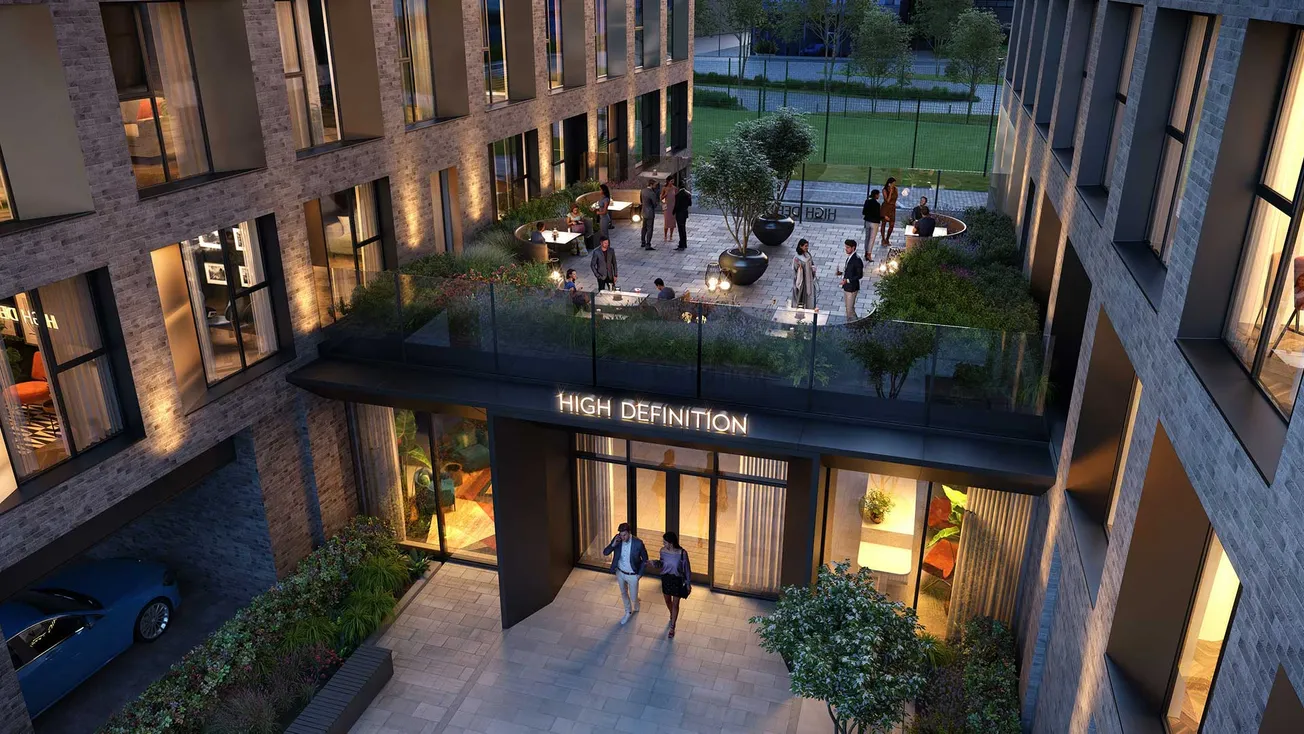
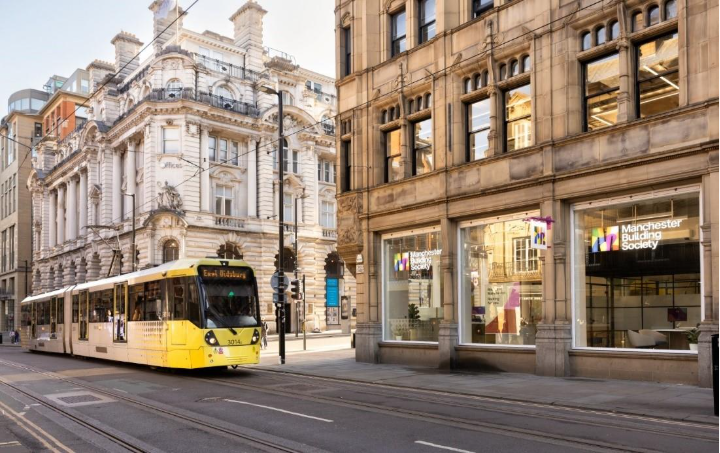
Our friends at Manchester Building Society are up and running with their gorgeous new branch in the city centre. Now they’re settled in, they’ve launched a Festive Regular Saver, available in branch only.
Make 2026 the year your money works harder for you, and save with a building society that’s investing in the local community.
To find out more, just click below.
Manchester Building Society is a trading name of Newcastle Building Society.
Manchester saw two grand openings at the end of last month. The first Soho House in the north of England opened after three years of delays and millions of pounds in construction costs, furnishing the city’s creative community with a new space to drink and dine. An annual membership is in the thousands, a cocktail sets you back £15.
And a week before, up in the north of the city, there was another opening — a re-opening, in fact. This one was quieter, not a luxury members’ club lined with lusciously veined marble, but a cafe with six tables and a bench. There was room for 28 people, served by a kitchen with a hob, an oven and precious little else. Tea, water and coffee were free. The most expensive menu item — a full English breakfast – billed at £3.
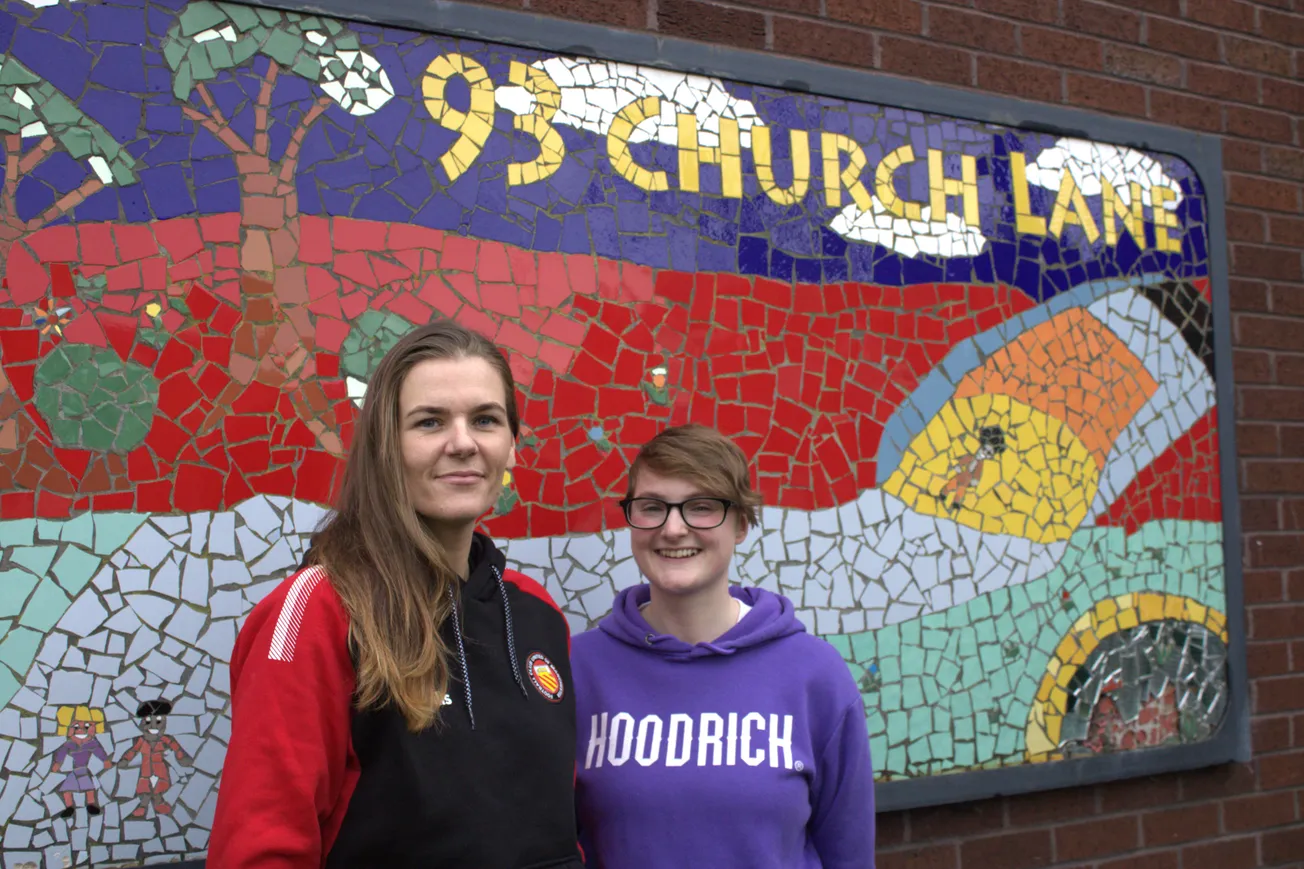
And while this cafe served a different community, its purpose was ultimately the same. It was somewhere for people to connect, learn about one another, and of course eat. The difference was Cafe 93 wasn’t serving the city’s creative clique, but the people of Harpurhey. Housed in the local wellbeing centre, it also didn’t require a multi-million-pound refurbishment or hundreds of the city’s most well-to-do to re-open, it just needed Lauren Gregory and Hannah Creer.
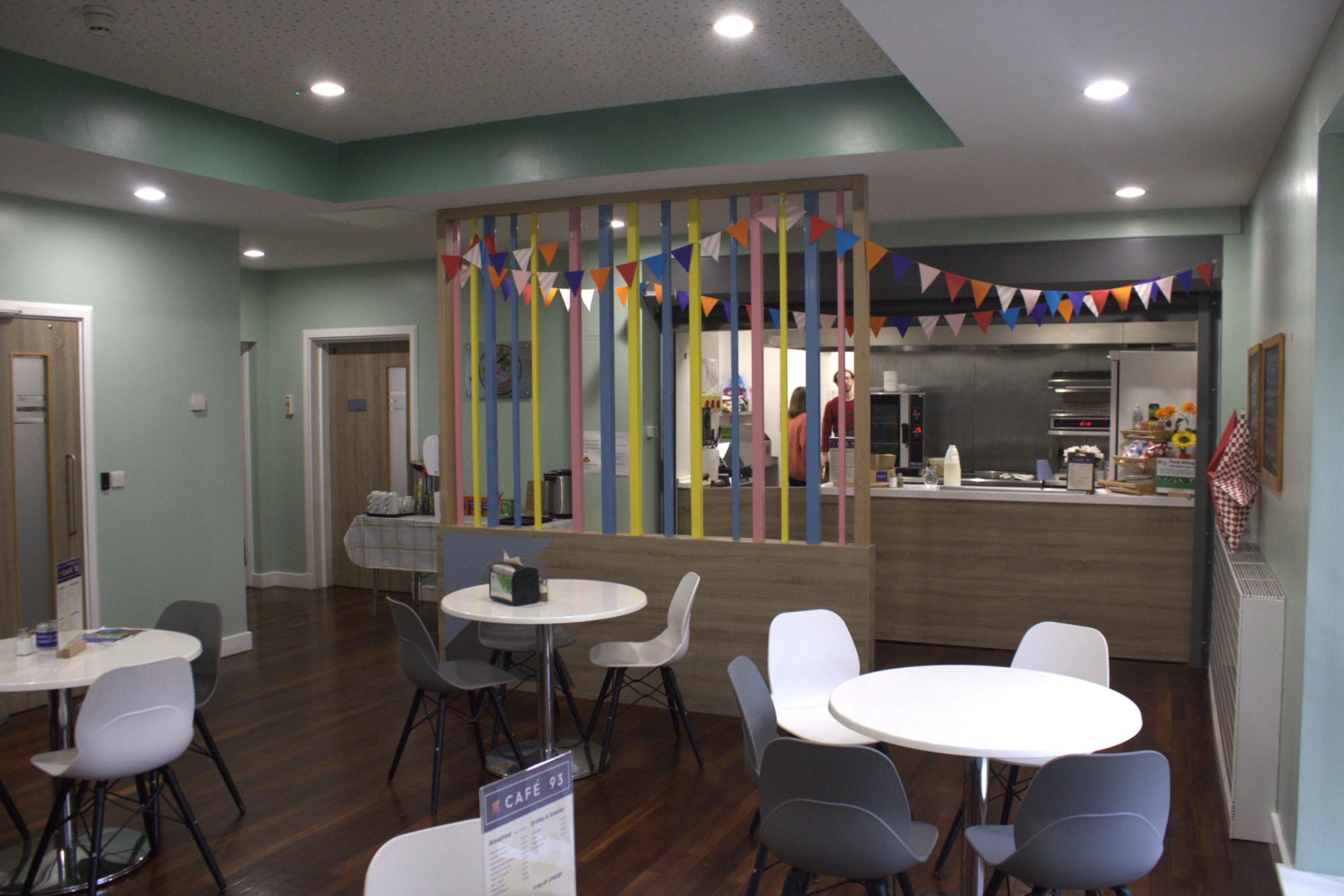
When I first met Lauren and Hannah in February, Cafe 93’s future was in jeopardy. A few weeks before, a manager from Greater Manchester’s mental health services — who ran the cafe at the time — walked in and asked Gregory how things were going. “Great, thank you,” Gregory replied, before the manager proceeded to call a meeting, terminate the cafe’s three staff members and give them a week’s notice of its closure.
The cafe had become a cornerstone of the local community, particularly its most vulnerable. It served cheap hot food, and nutritious frozen meals people could take away for free. But Greater Manchester’s healthcare authority, the integrated care board (ICB), had overspent by £50m and needed cuts. The £77,000 it was costing to run the cafe was considered essential.
What most insulted Lauren and Hannah was that they and the others that use the cafe weren’t consulted at any point prior to the closure. They were just told. Lauren first attended the cafe in the midst of the first lockdown after the birth of her daughter. “I had a very traumatic delivery, my daughter went back into hospital,” she told me earlier this year. The wellbeing centre was somewhere she could access help, but the cafe was the glue. It was where she met women with similar experiences to her, going on to form a mother’s group she still runs today.
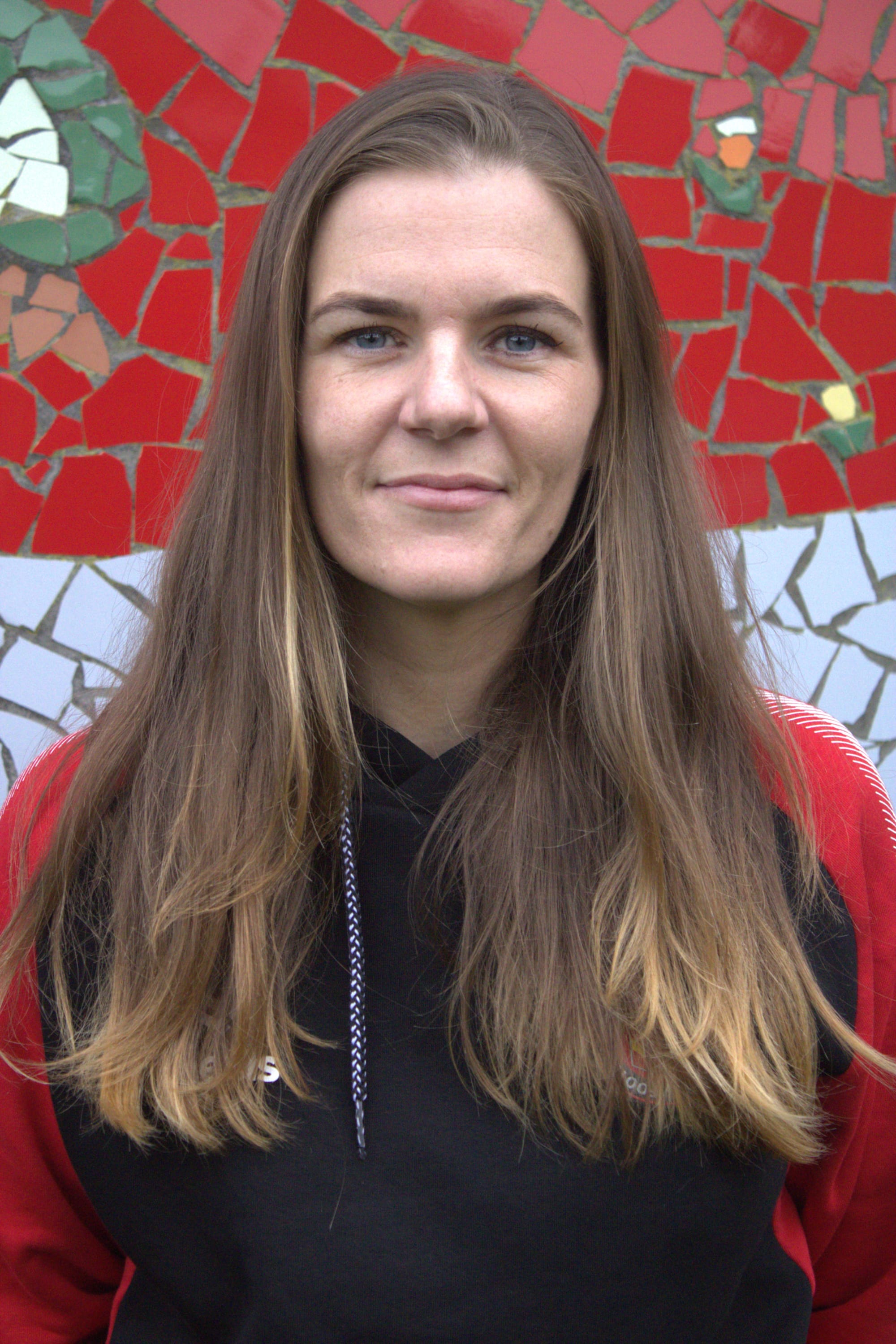
Following the news of its imminent closure, Lauren and Hannah — one of the centre’s volunteers — set about emailing every person they could think of that could help keep the centre open (including The Mill). “There wasn’t a week we didn’t send an email,” Lauren remembers. They organised meetings at Harpurhey Community Project, got representatives of the ICB to come to the cafe to speak with its regulars and chased local councillors and leaders until they began to realise that closing the cafe was a mistake.
Hannah even went to local talks Burnham was giving, solely to ask him to help her, Lauren and the centre’s volunteers to re-open the cafe. They eventually met him in May, but it would still take months before Mary-Ellen McTague, the renowned chef who runs the charity EatWellMCR, decided to take the cafe on as a new project.
“We were interested in trialling something similar to a public diner,” McTague tells me, describing the communal kitchens that opened after the war, acting as canteens for people who needed cheap meals. A place where people from every corner of society could share a table. “A public facility,” she says. “Like a swimming pool.”
When the local press reported on last month’s re-opening the focus was on EatWell’s decision to take on the cafe, and the backing it had from local councillors. Neither of those things are untrue, but to highlight them alone belies the work of the volunteers that worked tirelessly so that local leaders, right up to the mayor, took notice of something that in other circumstances would have quietly vanished. And which the community of Harpurhey would have struggled silently without.
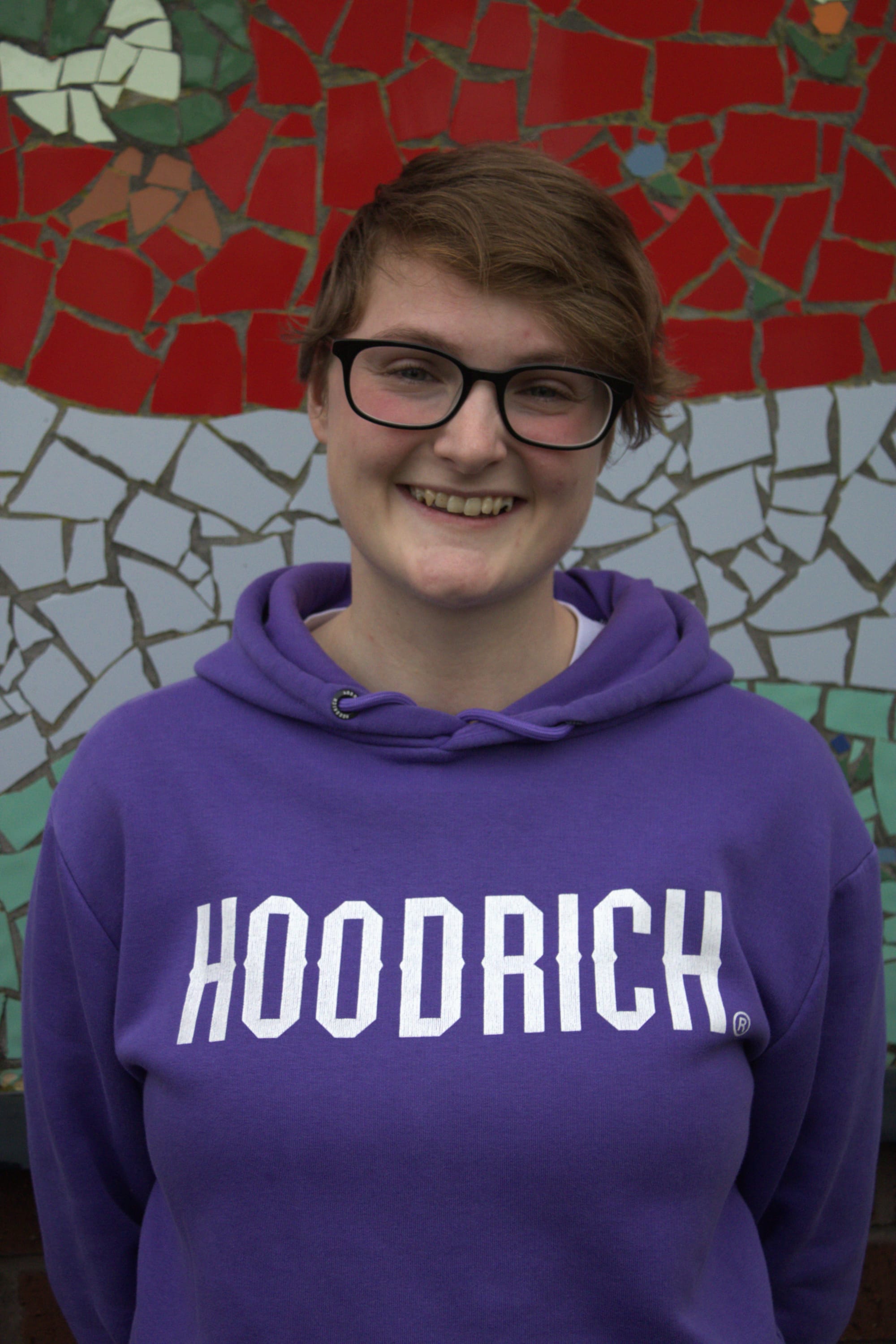
“I think they just thought we’d calm down and do a petition,” Lauren told me yesterday morning at the cafe, where we met for breakfast. Down the hallway, in a side room, members of her mum’s group are sorting through donated Christmas presents. The group’s attendance fell off while the cafe was closed, but is picking up again. “The atmosphere in the building is different,” Hannah says. “The cafe has changed the building again.”
Whenever Lauren or Hannah talk to you about the cafe they do so with an intensity that makes you realise what it means to them. For some of its regulars it is the only place they’ll have a hot meal, for others it’s the only place they’ll speak to someone else.
“Local pressure” is a vague, journalistic term to describe what is actually the vivid passion of local people who care about where they live. Who want the people they share a community with to have the best that can be afforded them. Behind the headlines of any success similar to Cafe 93’s is the free, unsung labour of people — often from disadvantaged communities that lack connection and resource — that just cared.
“When people take things out of communities, especially deprived communities like this, a lot of our passion is often mistaken for anger,” says Lauren. “You’re judged before people listen to you. But I just carried on, regardless of what people were thinking of me. I’ve learnt I’ve got a voice.”
The Mill stories that tend to be most successful, ones like Jack’s recent James Binks investigation, or Mollie’s long-running University of Manchester reporting, which has just prompted an inquiry to be opened by the Office for Students, are important, vital stories. But frankly, they aren’t always the happiest.
We want to be doing more stories like this one — about how two women came together to save a cafe in Harpurhey. That’s why one of our pledges if we hit 1,000 members is to launch a Good News edition, where we’ll be highlighting inspiring people in Manchester. The sort of people who don’t always make the headlines.
Our campaign is now approaching 600 new Millers, and we’ve got just over a week to go. It’s going to need a big final push, but if you want to help us get over the line, and unlock six great pledges to the people of Manchester, you can do so and pay whatever you can afford for the first two months. It would be great to have you on board.
🎼Looking for something lovely to do TONIGHT? Our friends at Manchester Baroque are performing The Messiah, Handel’s timeless festive classic, in the beautiful surroundings of Manchester Cathedral. And - for Millers only - we have a two for one offer on entry level tickets. Just click this link to book yours.