
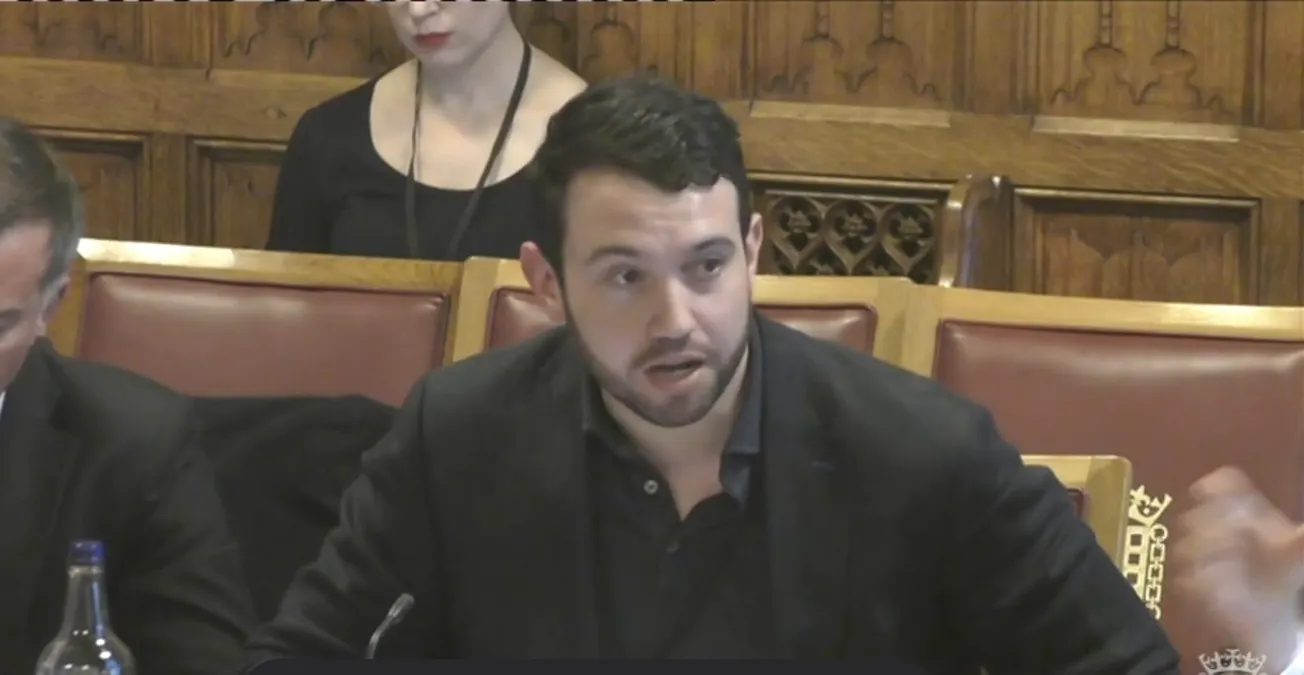
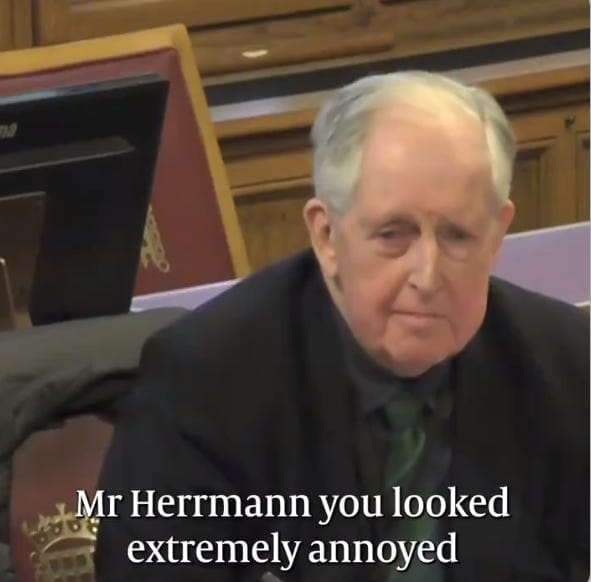
“Mr Herrmann, you looked extremely annoyed at the contributions to your right a few minutes ago,” said Lord McNally, a member of the House of Lords and former advisor to prime minister Jim Callaghan.
This time two years ago I was sitting in an ornate parliamentary committee room, with the lords and baronesses of the Communications and Digital Committee surrounding me in an intimidating semicircle. The grandees present included Lord Tony Hall, the former director general of the BBC, and Lord McNally, who had correctly intuited that I was annoyed about what the men sitting next to me were saying.
The men in question were the chief executive of Newsquest (the US-owned publisher of hundreds of local newspapers including the Bolton News and Bury Times) and a senior executive from Reach Plc (the London-based media giant that owns newspapers like the MEN and Liverpool Echo and national papers like the Daily Express). What annoyed me is that they seemed to be misleading the committee. Instead of admitting that local news in this country has been in devastating decline for the past 20 years, they were presenting a surprisingly rosy picture.
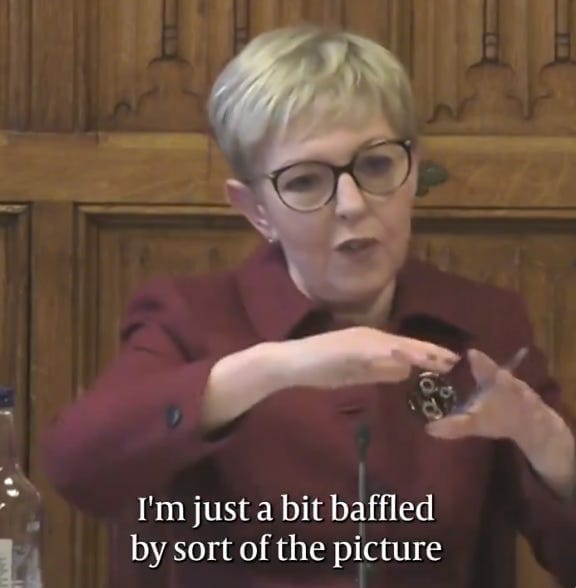
The committee’s chair Baroness Stowell wasn’t buying it. “I’m just a bit baffled by the picture you are painting about the success of your businesses when the challenge seems to be around the quality of the content,” Stowell told them.
Ever since I started The Mill, during the grim, locked-down days of the pandemic in 2020, this has essentially been the debate. We have been arguing that local journalism in this country has been cut to the bone, and that new reader-backed business models are required to revive it. And the corporate media companies that own most of our local newspapers have claimed they are doing just fine, while simultaneously cutting thousands of jobs to protect their profit margins.
This week, a new voice entered the conversation: the government. And after spending a couple of years studying the industry, it has drawn the same conclusions that we have.
In a long-awaited strategy document called the Local Media Action Plan, culture secretary Lisa Nandy writes that for local media to thrive across the country, “things have to change”. She notes that the foundations of local news “have been shaken” and that local newspapers have shut their doors and “thousands have lost their jobs”.
Why does that matter? Nandy writes in her forward to the strategy: “When local journalism declines, trust declines with it. Accountability weakens. And voices across the UK are silenced.”
These statements might sound obvious to you, but it’s a big deal that Nandy is writing them in a document that outlines the government’s position. Given the heavy lobbying power exerted by companies like Reach and Newsquest, it felt thrilling (I know, I have a sad life) to see phrases like these in an official document: there has been “an overall decline in the provision of high quality local media across the UK”; “the local news needs of UK communities are increasingly not met”. (In response, the government is proposing to invest £12m into the sector to help it innovate, alongside other reasonable-sounding measures).
Less thrilled was MEN editor Sarah Lester, despite the strategy highlighting some good work done by her paper. In an editorial this week claiming to “set the record straight about local news”, Lester took issue with Google for not promoting her website’s links enough and argued that the BBC is “increasingly parking its tanks on our lawn”.
This story is free to read - you just need to join our mailing list. And why wouldn't you? By becoming a Mill subscriber, you'll get our scoops, features, and insights into Manchester, in your inbox, the second we hit publish. No card details required.
Already have an account? Sign In