

Dear Millers – in recent weeks, we have been hearing from concerned parents across south Manchester about something deeply important to them: nurseries. Every one of them wants to give their child the best possible start in life, but while once their local neighbourhoods were dotted with family-run, independent nurseries, in recent years that has changed.
Chains have come in, and the growing sentiment amongst parents we have spoken to is that they are driving quality down. So, Lucy — herself a nursery worker before joining us as a reporter — has been trawling through dozens of Ofsted reports, speaking to nursery staff and the managers of these chains to get to the bottom of what is going on.
In August last year, staff at an independent nursery in Northenden received some shock news. The nursery’s owners announced at a meeting with staff that the nursery was no longer financially sustainable and was being sold to a fast-growing chain. Some of the 24 staff members cried, according to one person present, and others remained silent. Several of them had been through this process before.
The buyer was Kids Planet, a company that has snapped up hundreds of nurseries since it was founded in Cheshire in 2008, including 30 in Greater Manchester. Its growth is the most striking example of how the local nursery sector is changing, with an increasing number of parents paying their fees to large corporate entities rather than family-owned businesses.
Rising costs have pushed many independent nurseries to the brink of sale, and the sector has become attractive to investors as government funding for childcare increases. The three largest chains own 3.9% of nurseries in England, and our analysis suggests around 6% of GM’s day nurseries are now controlled by them. Although this number appears to differ by area, sitting at more like 9% in Trafford, and closer to 6% in Manchester City Council wards.
For some parents and nursery workers, this is a cause for concern: they worry about the quality of care and the mingling of childcare and the profit motive. Others we’ve spoken to in a month of digging into this question welcome the chains and argue that they bring more rigour and professionalism. Can both groups be right?
Hampers and treats: Inside a takeover
Before I became a journalist, most of my paid work was for nurseries. It was my go-to job while I saved up for university, and I stayed in the sector throughout my studies. I chose it for the same reason most nursery workers do: I love spending time with children.
The first nursery I ever worked at was a one-storey, converted school in Sale. The size of the place was deceiving though — the little building formed a tiny part of a much bigger empire. It was run by a company called Busy Bees, the largest nursery chain in the country. Out of its 390 “settings” – the industry word for a nursery site — I’ve worked at around 30 over a five-year period.
Though quality differed at each nursery, my experiences included witnessing regular staff shortages and under-resourcing. (A Busy Bees spokesperson said they’re “committed to the highest standards of early years education and childcare, and 99% of our 390 centres in the UK and Ireland are rated good or outstanding by Ofsted.)
Was this typical of what happens when chains take over nurseries? When I joined The Mill, I started speaking to lots of people in the sector to try to find out.
Most nurseries are still independently owned by the families who started them, or by small companies who own two or three sites. So when a big company takes over, it can feel like a jarring cultural shift.
Two days after staff were told about the nursery in Northenden being taken over, employees from Kids Planet arrived to formalise the acquisition. On its website, Kids Planet says the onboarding process is 17-18 weeks long, and that they don’t aim to come in and make everything “the Kids Planet way”.
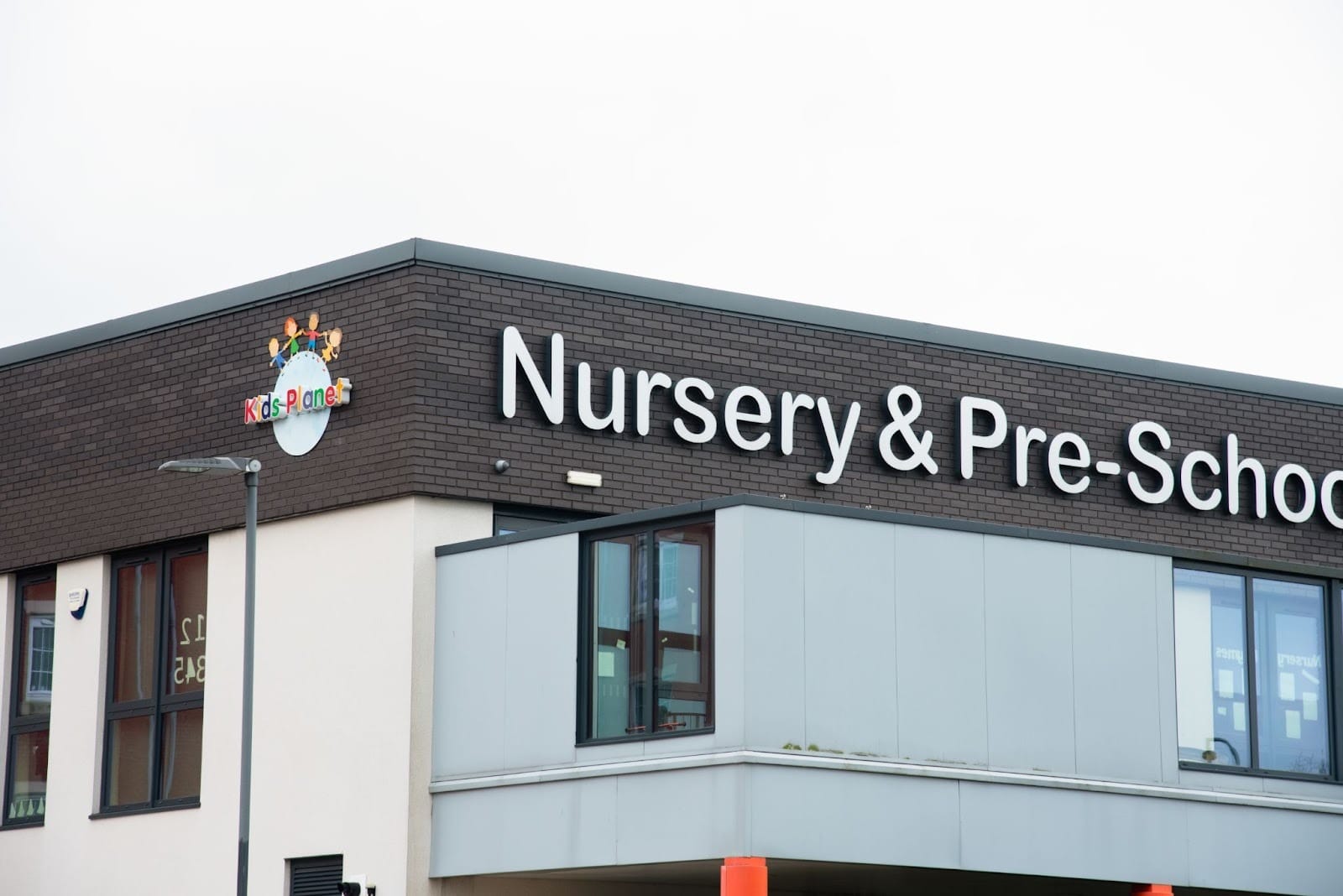
One worker at the Northenden nursery says the takeover process is slick and highly orchestrated. “It just felt really overwhelming,” the worker says. “They bring you treats, hampers with biscuits, presents like a candle and a notepad, but at that time it isn’t that that’s your focus,” she told me. She said some staff felt “steamrolled”, and worried that the environment was changing too fast for the children to feel at home. She alleges that around a third of the staff – approximately 10 people – have left since the deal was done in August.
In a statement, Kids Planet told us that it “has grown in Greater Manchester through careful, considered acquisitions of high-quality settings that share our commitment to exceptional Early Years Education.” The company says its priority “is always continuity of care for children, clear communication with families and support for existing teams, with integration handled in a phased and structured way.”
One manager says chains like Kids Planet are likely accustomed to coming into struggling settings “and making quick decisions because they have to” rather than high-performing nurseries like the Northenden one, which had an “Outstanding” rating from Ofsted.
‘Undue risks’
Critics of the trend towards corporate ownership might point to three signature failures in recent years, all of which took place in Trafford.
In 2023, a nursery in the town run by Busy Bees closed not long after a damning Ofsted inspection. According to inspectors, children at Busy Bees Altrincham were “exposed to undue risks”, such as choking hazards, and interactions between staff and children were deemed “poor”.
One mother who sent her toddler to the nursery recalls staffing problems in the run-up to the inspection, including receiving three calls in a three-month period where workers told her she needed to pick her kids up because there weren’t enough staff to stay open.
After reading the Ofsted report, she had a sinking feeling. “I’d been sending my children somewhere they potentially weren't safe,” she told The Mill. “I felt awful.”
Banana Moon in Altrincham — part of one of the few nursery groups that operates as a franchise — was shut with immediate effect last year after an Ofsted report revealed safeguarding failures. Its owners sent an email to parents saying the nursery was closing due to family circumstances, and nine months later, at least three sets of parents whose children were due to start at the setting tell me they’re still chasing refunds.
Mark Bates, founder and managing director of Banana Moon Franchise, said “the nursery closed due to personal circumstances surrounding the nominated individual.” He added that parents owed money from the Banana Moon Altrincham closure should contact their Franchise Support Office, who will help them in recovering it from the owners.
Then there’s my old nursery, Busy Bees in Sale, which shut its doors sometime after its last inspection in August 2023. Though it had a series of strong managers, the nursery was plagued by chronic staffing shortages, and two former employees tell me that’s why it closed.
A Busy Bees spokesperson said: “The decision to close a centre is never an easy one and we supported the families at our Sale and Altrincham sites to find alternative childcare locally.”
Do these examples prove that corporately owned nurseries are a disaster waiting to happen? Not necessarily. When I plotted the acquisitions by the three largest chains, they tended to cluster in the wealthier southern suburbs of Manchester and Trafford, presumably because it’s easier to charge higher prices in these areas.
When nurseries in these areas close, they seem to attract local media coverage – hence the prominent stories about the failures in Altrincham. But I also found nurseries that had recently closed after scathing Ofsted reports in Wythenshawe and Moston. Both nurseries were independent, and neither had received any press coverage.
A £30m windfall
The growth of these nursery chains is a relatively recent phenomenon, and in one case, a local one. The Kids Planet story starts with Clare Roberts, a 41-year-old mum to three girls from Lymm in Cheshire. Back in 2008, she says she couldn’t find childcare for her firstborn to suit her needs; her job demanded early starts and late finishes, so the often-rigid nursery opening times were incompatible with returning to work.
Fortunately, Roberts came from a nursery-owning family. Her dad, John Haban, already ran a nursery group, and he co-founded Kids Planet with her. Starting with two nurseries in Warrington, the company then took over sites in Springhead and Dukinfield in 2013, and it ventured closer to the city centre in 2016 with a nursery in Exchange Quay.
Its biggest surge came with a major acquisition in 2020. That year, Kids Planet took over the Manchester-based Kids Allowed nursery group, expanding its Manchester footprint to a further eight locations across the south suburbs and Cheshire. In the eight years that followed, the provider grew from 29 nurseries in total to 30 in Greater Manchester alone. There are no signs of slowing down either: in the past three years it has acquired a further 12 Greater Manchester-based nurseries, with the recent acquisition of Fisherfield Childcare adding six to the portfolio.
And according to an interview she gave to one of her company’s investors, the Manchester-based venture capital firm BGF, Roberts likes to think of her company as more of a family than a chain. “We’re a group,” she clarifies. “Sounds like semantics but it’s more of a family feel. To me, ‘chain’ sounds corporate and unloved.”
But whether you call it a family or a chain, Kids Planet has been highly lucrative for Roberts. In 2021, the business was acquired by the private equity firm Fremman Capital, which paid around £105m for the shares, with around £93m of that going to the sellers of Kids Planet. Based on publicly available information, The Mill has estimated that Roberts may have earned around £30m — both from selling Kids Planet and from the value of her stake in the current business. We asked Kids Planet to confirm whether this figure is accurate, but they didn’t respond to the question.
The benefits of scale
How can the nursery business be so lucrative? For one thing, the chains can save money because they enjoy so-called ‘economies of scale’ – saving money on everything from classroom materials to payroll software because they have so many sites. They are also more likely to be able to work out the ‘optimal’ price to charge in any given neighbourhood by using complex data that crunches local incomes.
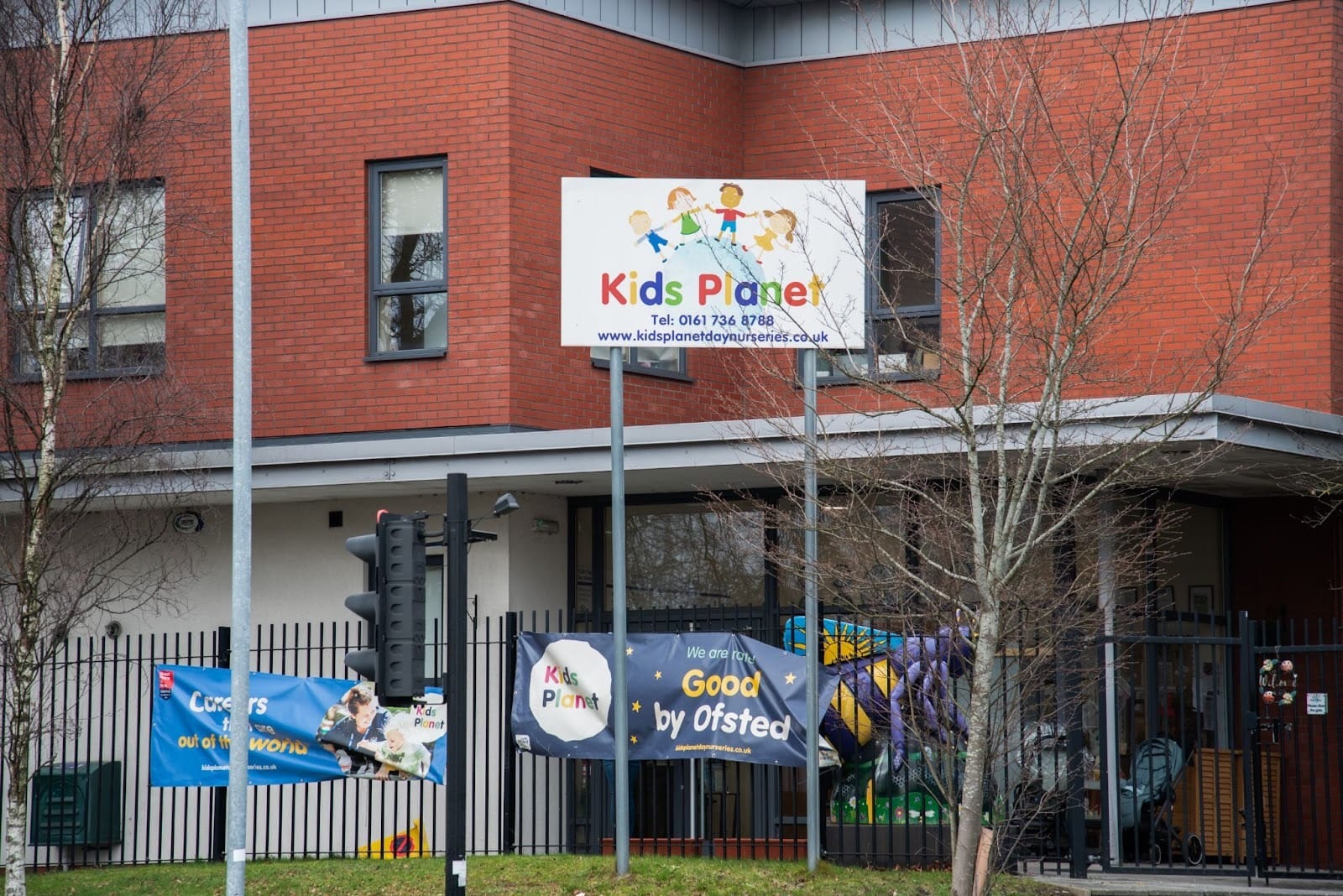
Do the chains charge more? According to Nuuri, a nursery search platform, the average weekly cost for a child under two in Manchester is £340, or £68 per day. Of the three top providers, Busy Bees’ average non-funded Greater Manchester price is slightly below that, at £67.50 per day. While its Cheadle settings are between £74 and £77, its University of Salford and Wigan settings bring the number down markedly, with Salford’s nursery charging below £60.
Bright Horizons is the most expensive provider, likely driven, in part, by four of its six settings being in the affluent suburbs of Trafford, Sale, Timperley and Didsbury. The average price per day is around £86, with its Didsbury setting charging about £100.
Over at Kids Planet, of the 22 nurseries that list their fees, the average price is £10 more than Nuuri’s estimate, at about £78, though costs differ greatly by area. Its Trafford City branch charges around £90 per day, whereas in Denton that fee drops to £62.
Parents may wonder if these higher fees are buying them a better service. Being owned by a large chain can have real benefits for some nurseries, according to workers who I’ve spoken to. These companies have the resources to provide proper oversight, including having area managers and quality advisors. They can also afford to buy more tablets, which staff use to log live updates to parents about what the children are eating and how many nappies they have used, and to send pictures of their kid’s activities.
One early years educator I speak to has worked between three Kids Planet settings: Salford, Trafford City and Stretford. She describes each of them as “amazing” and she sends her child to one. “The staff are really happy and that feeds off from the children,” she says.
Due to the sheer number of chain settings, the quality between each will naturally differ, so it’s hard to make generalisations. “You can get an outstanding chain running brilliantly and then one half a mile down the road that’s not so great,” one independent nursery manager, Sarah, 35, tells me.
A matter of inspections
My analysis of dozens of Ofsted reports suggests that the chain-owned nurseries in Greater Manchester are not performing any worse than their independent counterparts. It’s a complicated analysis to do, because below the large chains that own hundreds of sites there is also a layer of smaller companies that own five or ten nurseries.
I couldn’t detect any pattern in the data that suggested the chains were producing worse results, at least as far as Ofsted inspections are concerned. In fact, anecdotally speaking, they seem to be performing a bit better.
Can we trust these Ofsted reports? Eight of the nursery staff who I spoke to for this piece – more than half of those I interviewed – mentioned a big advantage that the larger companies have: their ability to burnish how their nurseries appear to inspectors. The key allegation is that the chain nurseries can cover staffing shortages by deploying staff from nearby centres for inspection days.
Adina, a former manager of a nursery controlled by the chain Banana Moon, recalls staff from the company’s head office coming in to coach her and her colleagues on how to handle an imminent inspection. Natalie, who also worked at the nursery at the time, remembers the same thing.
The night before the inspection, Natalie says the team stayed up till around 9:30pm catching up on paperwork and setting up rooms. On inspection morning, she says two head office staff came in and instructed them to start in their own rooms, though Natalie says children and practitioners normally began their morning together. “They came in and they were like, ‘get this out, get that out.’ They were telling us this is what [Ofsted will] look for.”
During the walkaround, one member of staff from Head Office allegedly shadowed the inspector, while the other ran ahead to the next room to prewarn staff, quickly setting up resources in time for their entrance. “They’d run into the next room and say, ‘this is what you need to do’. It was so staged…and they’re obviously not there on a normal day. They don’t know what we do or what the kids like,” Natalie said.
In a statement, Banana Moon told us: “Ofsted will only provide half-a-days’ notice prior to inspection. Banana Moon Franchise do support our nurseries to maintain the required EYFS standards. While Franchise Support staff will visit the nursery on the day they receive their call and on inspection day, this is from a well-being perspective to help the manager and franchisee be as organised as possible for the inspection.”
They added: “Ofsted inspectors will only speak with the franchisee, manager or dedicated nominated individual. The Franchise Support team are not employed by the nursery and therefore are not allowed to speak on behalf of the nursery during inspections.”
The parents of Genevieve Meehan, the nine-month-old killed by deputy manager Kate Roughley at Tiny Toes Day Nursery in Cheadle Hulme, recently took their ‘Campaign for Gigi’ to Parliament. The campaign calls for changes to the sector to better protect other children, and one of those changes is a strengthened Ofsted inspection process for nurseries.
Before 2015, Ofsted inspections were routinely unannounced, but now, only around a third are carried out without notice. In the majority of my conversations, parents, managers and nursery workers alike said the same thing: that 24-hour notice period should be dropped.
An Ofsted spokesperson said: “Nurseries are notified of their inspection by 10am the day before to allow the setting to ensure that parents are informed and the necessary setting managers can be on site. It also allows for a planning call to discuss practical arrangements, understand the setting’s context and agree the inspection timetable.”
They went on: “Ofsted is clear that we want to see a nursery operating as it usually would. We do carry out no-notice inspections wherever we have concerns, these typically make up around a quarter of all nursery inspections.”
Mark Bates, founder and managing director of Banana Moon Franchise, told The Mill he started the company in 2006 after failing to find quality childcare for his own child. While any business can “experience challenges”, he says all franchisees are offered “everything they need to run a successful nursery”, and can act independently alongside receiving support from the company’s head office.
“As the sector looks for ways to expand capacity under increasing pressure, I strongly believe franchise models deserve recognition for supporting both local entrepreneurship and consistent standards of care,” he added.
Do you know more about this story? Please get in touch to assist our future reporting.