
Dear Millers – today's edition rounds up yesterday's incredibly successful Future of Greater Manchester Summit, including some interesting insights from mayor Bev Craig and the other panelists.
That's below. But before we get there, we have some good news! The Mill is a finalist in three separate categories at the British Journalism Awards. Joshi, Lucy and Jack are shortlisted in the Politics category for our coverage of Andy Burnham and politics in Manchester this year, alongside entries from the Guardian, FT and Sunday Times.
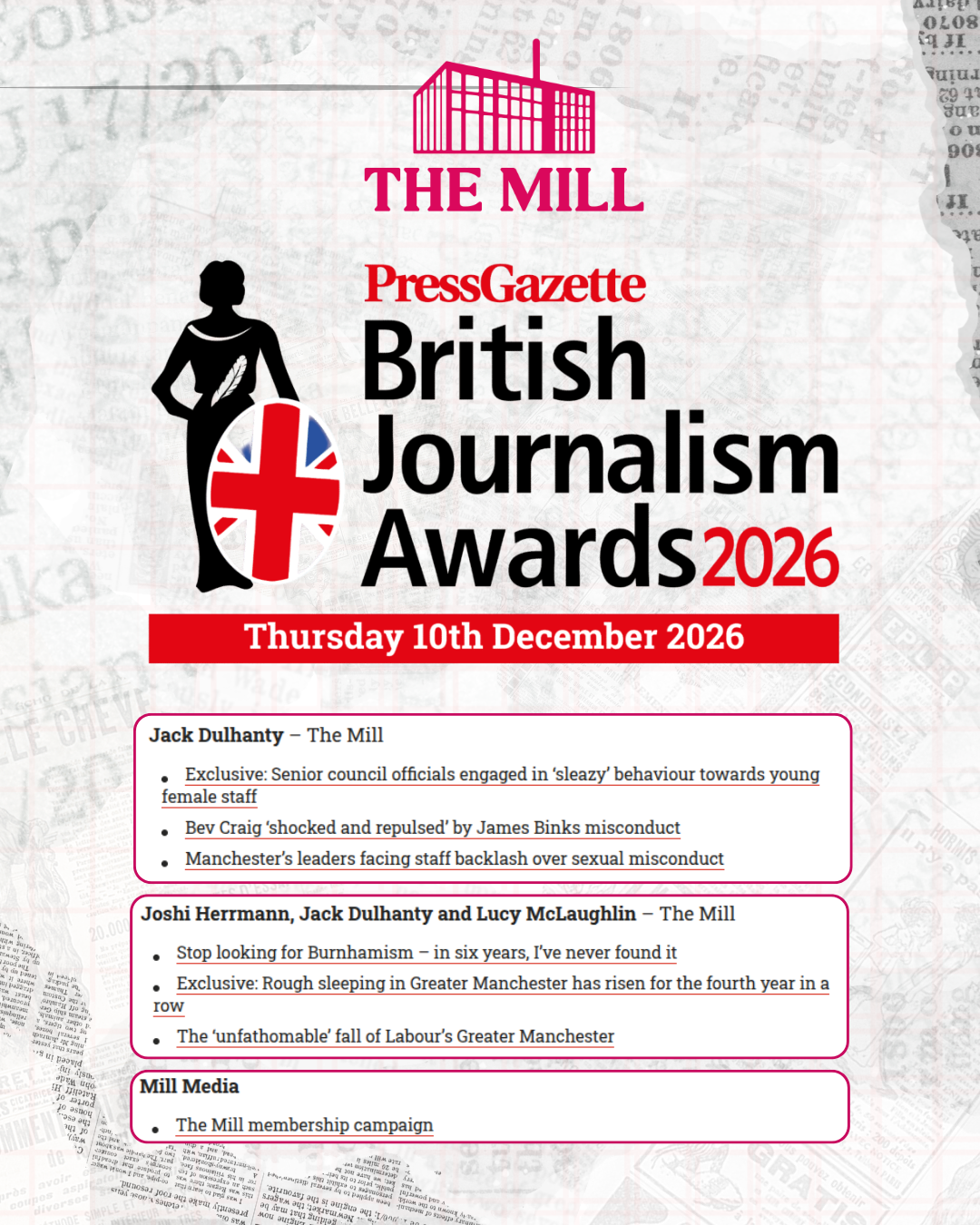
Meanwhile, Jack is also a finalist for the Local Journalism award for his coverage of Manchester council's sexual harassment scandal, a story he broke late last year and which led to the resignation of the chief executive of Rochdale council. Our membership campaign has been shortlisted for Innovation of the Year, and our colleagues from across Mill Media have been nominated six times in total, more than news brands like the Telegraph, Observer or Economist.
Huge thanks to all of you for supporting our journalism and allowing us to produce this kind of work.
Now, let's get into yesterday's triumphant summit, which was sponsored by Grayling and took place at the People's History Museum. Some of the comments from Bev Craig and the other panelists refer to the Budget, which John Healey is delivering as we send this newsletter.
Bev Craig tells our summit about her 'frustrating month' and Manchester's moment in the limelight
Bev Craig says that Greater Manchester has received interest from around the world since Andy Burnham became prime minister and is now “much more confident on the world stage”. Speaking at our first-ever Future of Greater Manchester Summit, Burnham’s successor as mayor said: "We're able to go across the globe and not just beg for anything but be really clear and intentional about what we want and who benefits."
Craig told the summit about receiving an email from New York’s mayor Zohran Mamdani to “come and hang out” and said that the city has “elevated itself” to a new level. “If we'd gone back five years ago, Greater Manchester wasn't being invited to things like the Urban 20,” she said, an event that connects mayors and leaders from major global cities to inform the G20 negotiations and which involved having meetings with the mayors of Paris, Toronto, Amsterdam and Copenhagen.
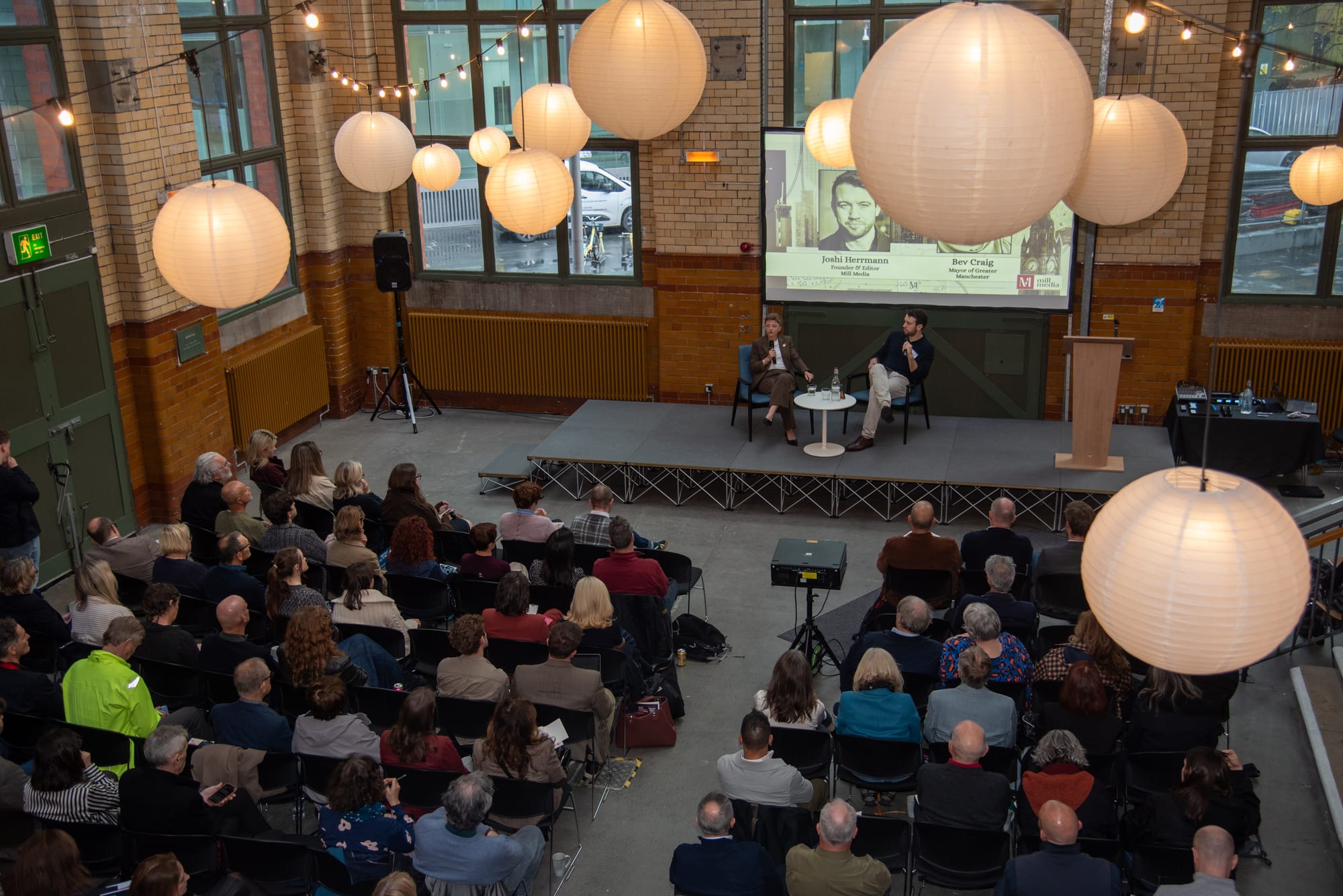
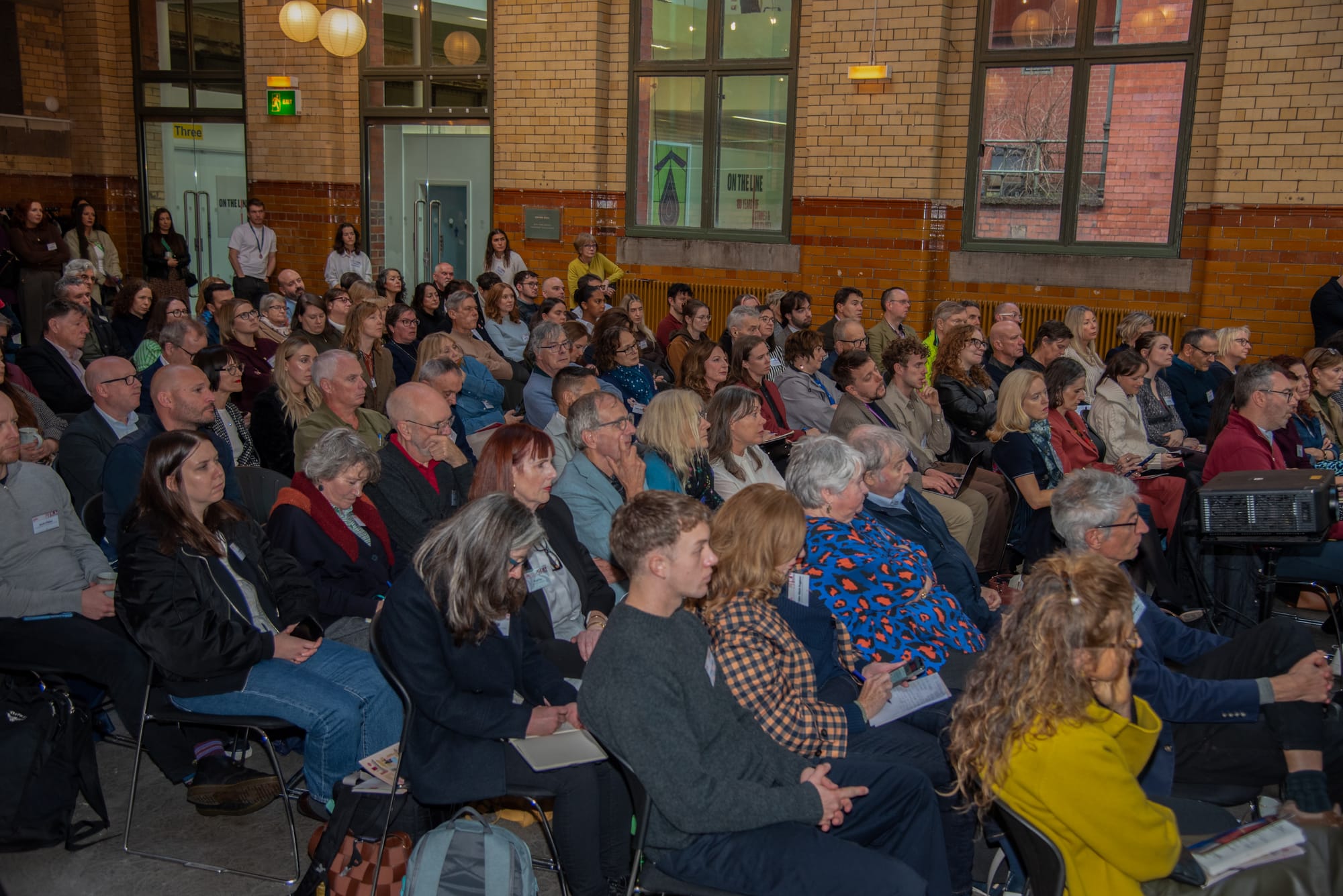
Our summit was organised to explore how Greater Manchester can take advantage of the new-found attention it is receiving, and featured leading figures from across the city, including Duncan Ivison, the vice chancellor of the University of Manchester and Esme Ward, the director of Manchester Museum.
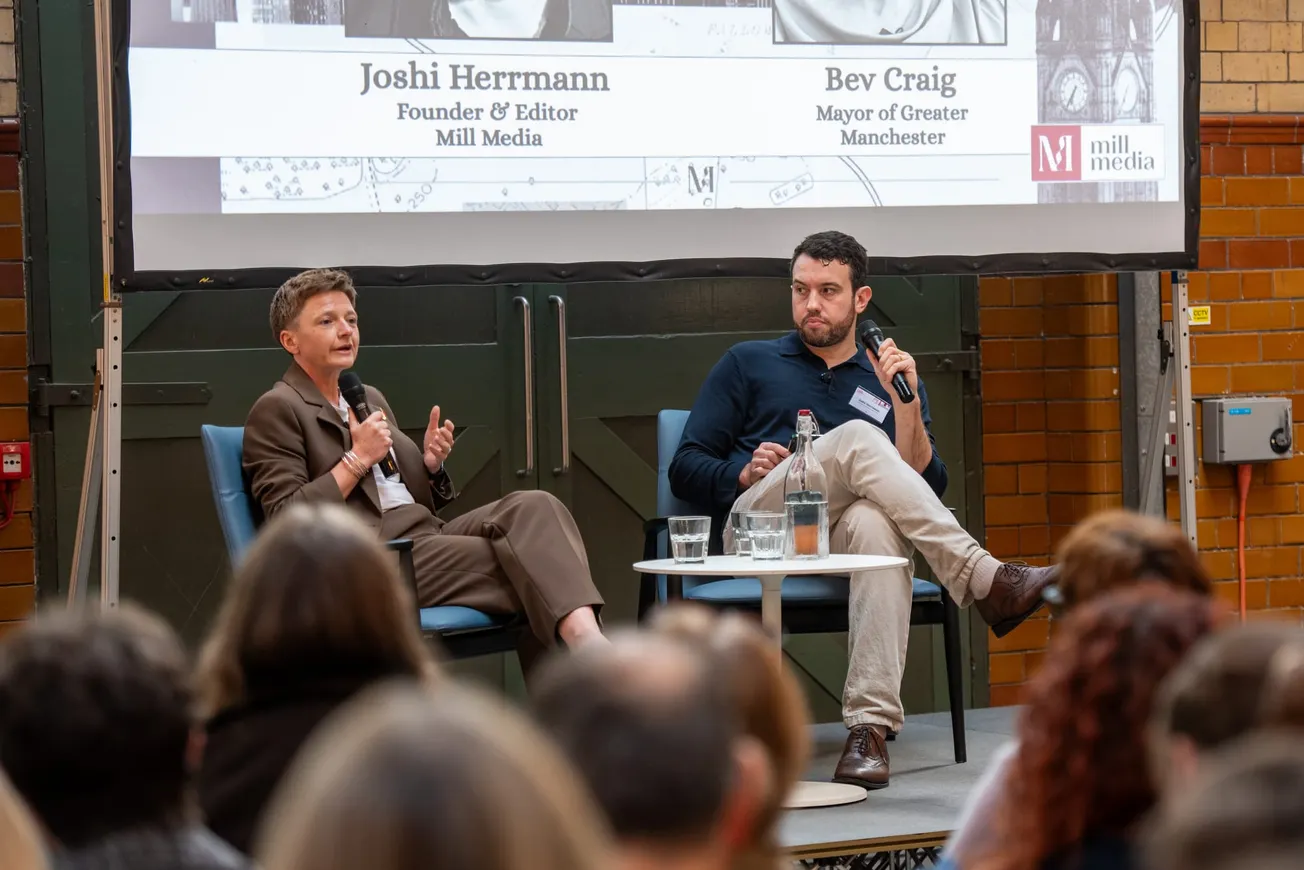
Craig was the first on stage, being interviewed by The Mill’s founder Joshi Herrmann. She told the packed-out audience at the People’s History Museum that she had experienced “a fairly frustrating month” since news of the guilty findings against Manchester City broke. But in contrast to Burnham’s controversial comments defending the club, his successor avoided wading into the controversy. “If you're a football club and you break the rules, that is independent of politics,” she said. “It's independent of people like me, it's independent of the prime minister, and you've got to face the sanctions for rules that you break.”
But Craig questioned whether the national media was treating Manchester fairly, noting that London isn’t criticised for attracting major overseas investment.
Referring to the much discussed 10-year partnership agreement that the council signed with Abu Dhabi in 2015, long before she was council leader or mayor, Craig said: “You play the hand that you're given.” When asked about the media coverage linking Burnham to the scandal at City, Craig said: "There's a difference between 'was something done properly by the rules of the time' and 'the prime minister must be really good friends with the Sheikh because there's a football club that's doing well and a bit of Manchester that's been regenerated'. I just think they're two different questions."
Asked what she’s hoping to hear in today’s Budget, Craig said she hopes for concrete steps on devolution — and noted that her big goal is to get local control over business rates to fund projects. Burnham “isn't just going to give all of the Treasury to Greater Manchester,” she added, although she is known to have a good relationship with the prime minister. Describing what it’s like to lobby Burnham now he’s in Downing Street, she joked: "You just have to repeat yourself over and over again."
A big priority of hers when she was Manchester’s council leader was persuading the government to fund the billions required for an underground station at Piccadilly, to remove the bottleneck at platforms 13 and 14 and allow both east-west and north-south connectivity. Burnham, as mayor, said he would never accept an overground option. Craig told the summit yesterday that she’s “optimistic” about getting the underground version but added about today’s Budget: “Spoiler alert, and this could probably be the worst prediction I've ever made so don't punish me for it: I'm not expecting that to come tomorrow.”
Craig said Burnham’s Number 10 North has “unlocked conversations with, should we say, devo-sceptic bits of government,” – naming the departments of Education and also Work and Pensions. “Historically they had no interest in talking about devolution,” she said, “but suddenly you've got both an instruction from the Prime Minister but also a threat.” Physically getting into Heron House, the office block on Albert Square that Number 10 North shares with the spy agency GCHQ, isn’t as straightforward though, even for the mayor. “You still have to take your passport and driving license when you want to get in,” she said.
Alice Newsham, who leads Grayling’s business in the North, said that Number 10 North meant a wider group of businesses were getting a hearing from the government, and said the true test will be whether it benefits regions across the UK, not just Manchester. She also joked about the rush from PR companies to show that they have the ear of Burnham’s northern emissaries. "The number of LinkedIn videos I have seen of people suited and booted outside Heron House, giving their two pennies,” she joked. “They probably haven't set foot in the door."
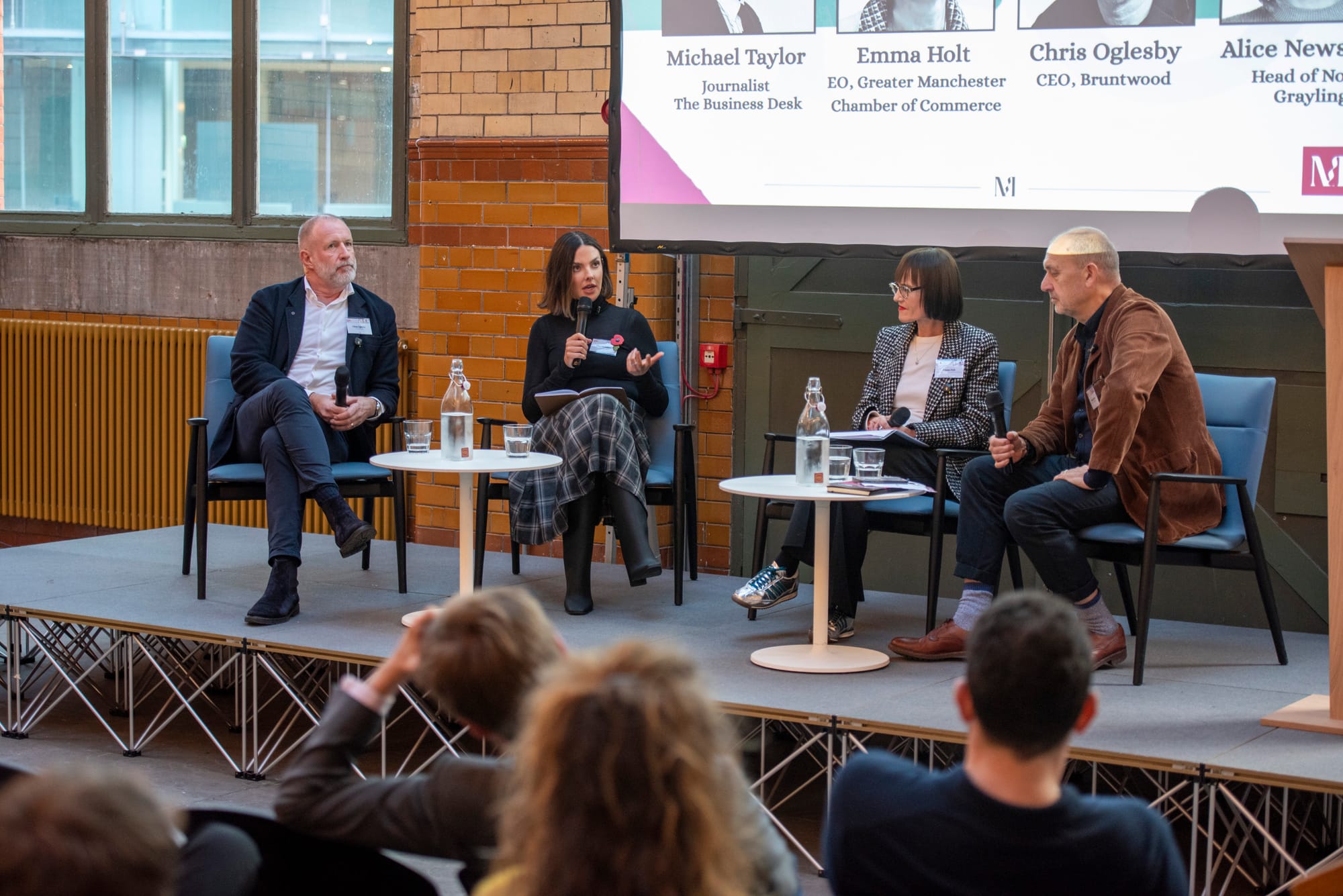
Chris Oglesby, the chief executive of the property company Bruntwood, said Number 10 North is “upsetting the status quo” and that he supported the concept. On a panel chaired by business journalist Michael Taylor from The Business Desk, Oglesby said he’s still “got the scars” of previous government changing their regional growth agendas, like when Theresa May walked back the Northern Powerhouse agenda and he worried about “this UK disease of shooting ourselves in the foot time after time."
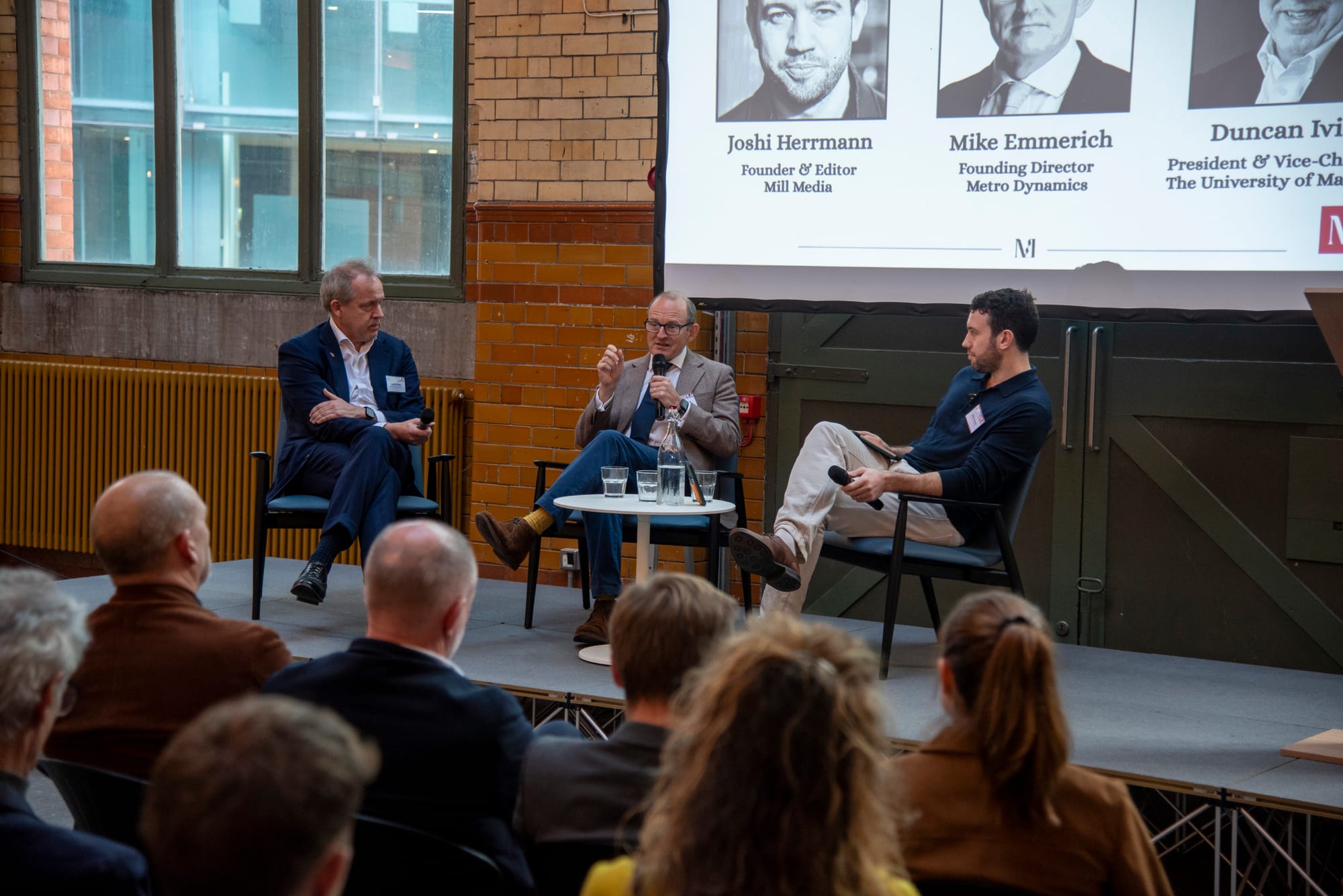
Duncan Ivison, the vice chancellor of the University of Manchester, made a similar point about the damage done by changing government priorities. "On Monday, you are at the heart of the government's growth agenda, on Tuesday you're being told to suck it up when they cut £500 million,” he said. “So it's completely schizophrenic." Ivison said he was trying to change the culture at his university so that its research can lead to more businesses being created, but said that that bolder investment was also needed. "Our risk appetite in the UK is still far too low,” he told the room.
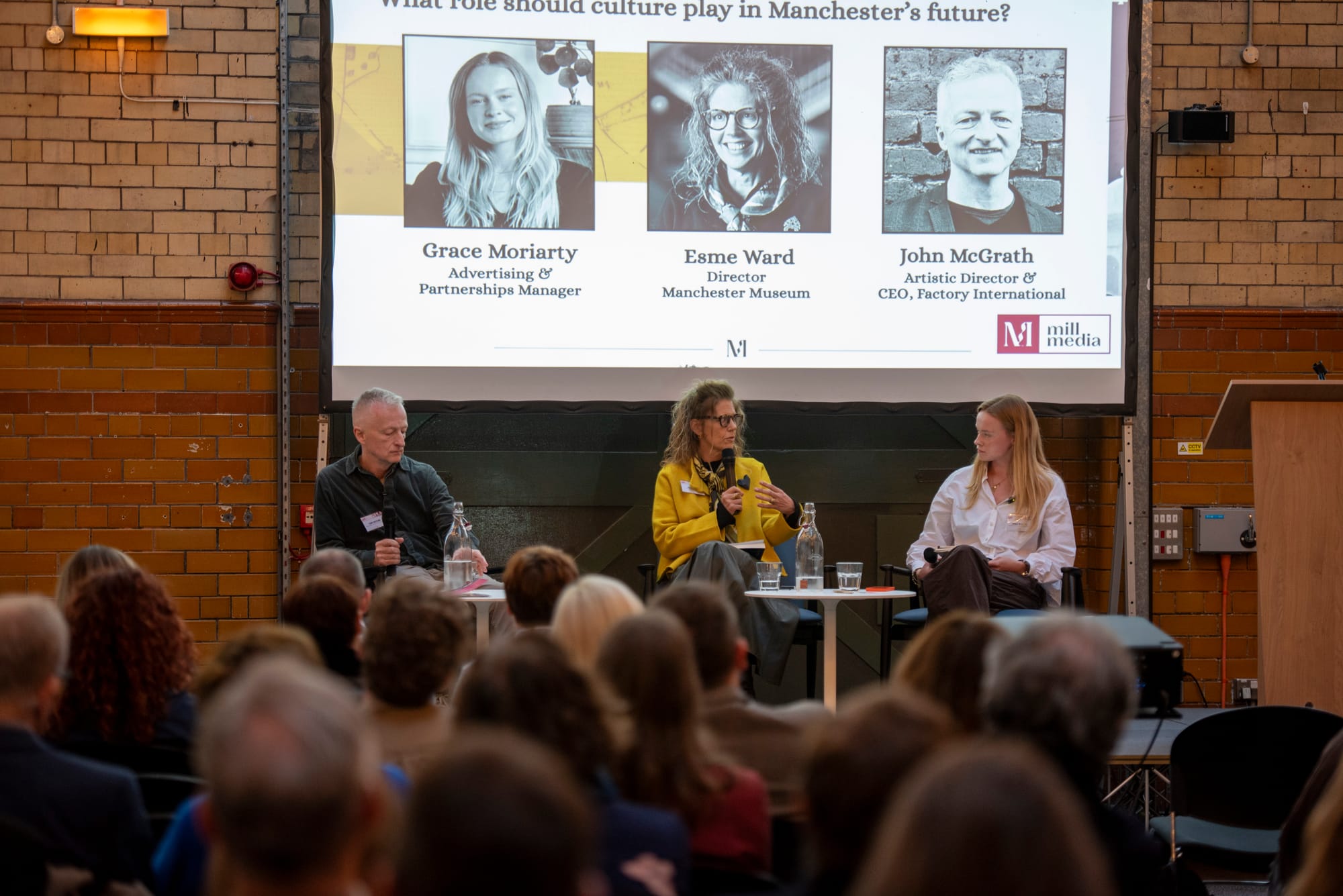
Oglesby repeatedly said that Manchester now has “a target on its back”, which was a talking point throughout the summit. Esme Ward, the director of Manchester Museum, said it would be "disastrous" if Manchester stopped taking risks because of this external critique. She told a story about hiring a curator from a leading museum in the US, who cited Manchester’s willingness to be “braver” than some London orgnisations as a reason for coming here. Holding on to the ability “to say yes” to new ideas was crucial in the years ago, she said.
John Mcgrath, the CEO of Factory International, said Manchester needs to guard against nostalgia, pointing out that the young people who work with his organisation aren’t invested in the city’s past glories. McGrath said he has sensed a change in attitude about Manchester from the rest of the country, which used to see this city as part of “the regions” and now sees us as an alternative centre.
Mike Emmerich, a former Downing Street economist who later advised Sir Howard Bernstein, pointed out that for all of Manchester’s progress, the city is still not a powerhouse for the UK. "Our growth may have doubled but we're still a drain on the national economy,” he said. “We were using more in public services than we were generating in taxes. We still are.” Emmerich made the point that the government needs to deliver serious progress on devolution if Manchester is going to take its next steps.
Emma Holt, who leads the GM Chamber of Commerce, said that faster growth will only come if the government speeds up investment in infrastructure. “We're expecting the Liverpool–Manchester–Leeds railway to start in 2030. We actually need to see place-based delivery happening."
Thanks to everyone who came to the summit and to Grayling for sponsoring it. We will be publishing video clips of all the panels in the next few days and if you’re interested in sponsoring our next big event in Manchester, please get in touch with Grace.


