
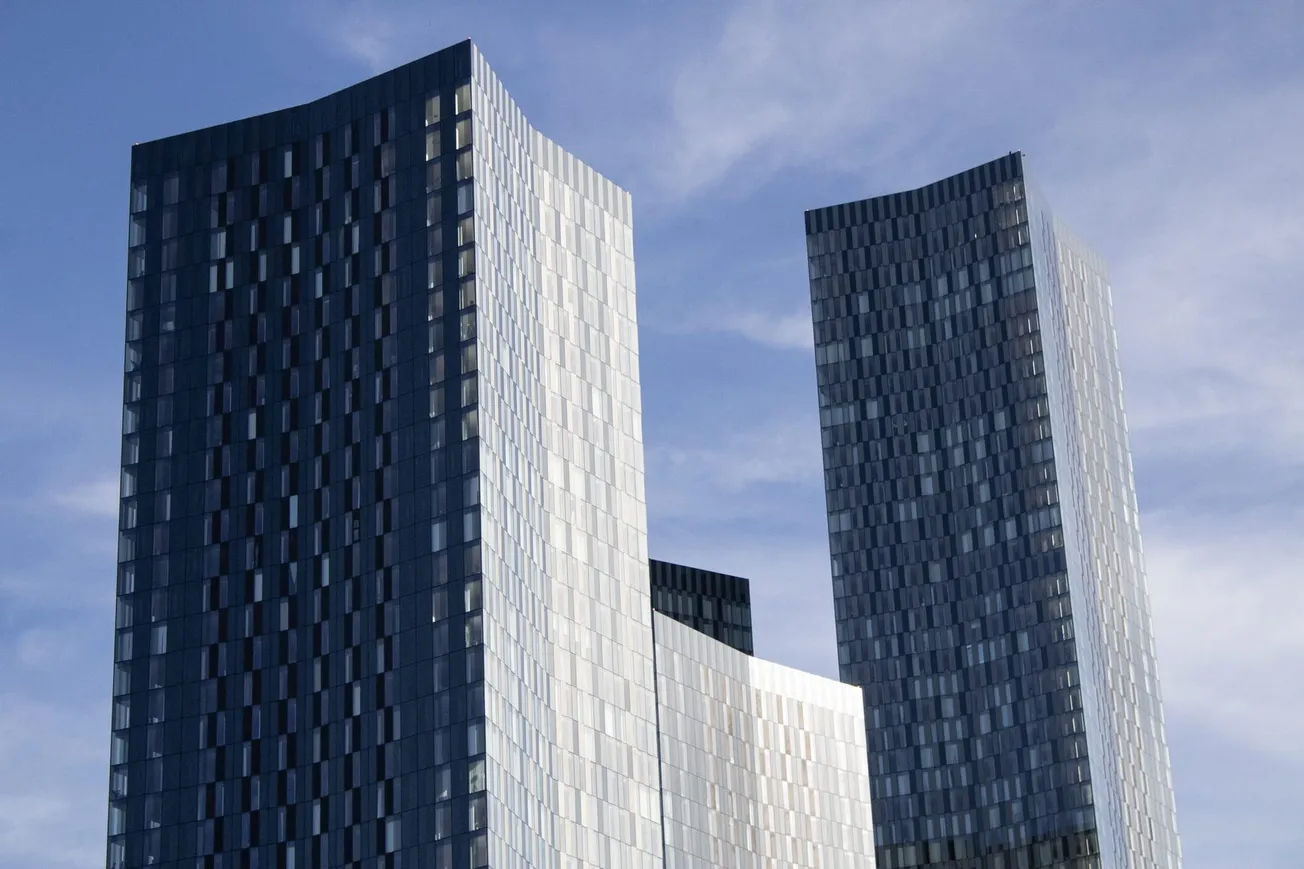
Manchester, summer 2061. Glass towers crowd the inner ring road of the city and are beaten by the sun, shimmering at the end of tramlines like a desert mirage. Their residents wake up and live in darkness, blotting their floor-to-ceiling windows with curtains, having grown resentful of the panoramic views they bought their flats for.
By then, Manchester is forecast to see an average of 42 days a year where temperatures exceed 25°C, more than twice as many it is expected to experience between 2021-2039. However, many of the buildings built in recent years in Manchester are already overheating, with temperatures reaching as high as 37°C, as in 2022.
All of this raises a question. Are the skyscrapers beginning to line the city fit to survive a changing climate?
You can help make great journalism happen.
At The Mill, we believe Manchester deserves high-quality journalism. By signing up as a member, you don’t just get the rest of this story — you get four great features delivered to your inbox every week, and the knowledge that you’re supporting a new model of local news, that puts quality and honesty first.
SubscribeAlready have an account? Sign In