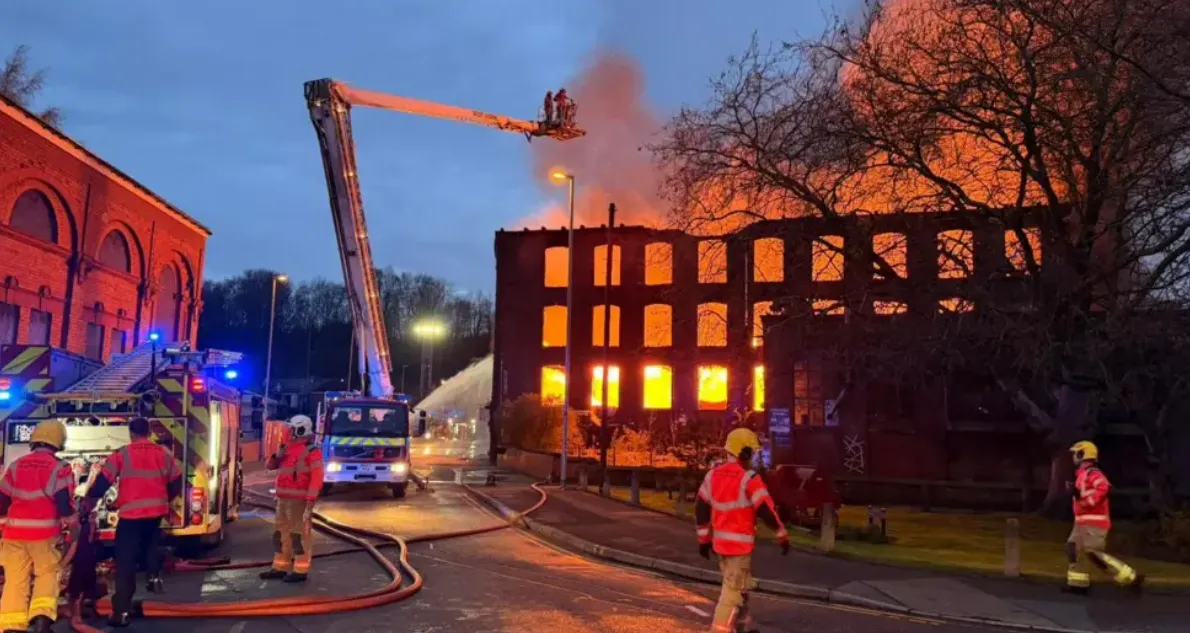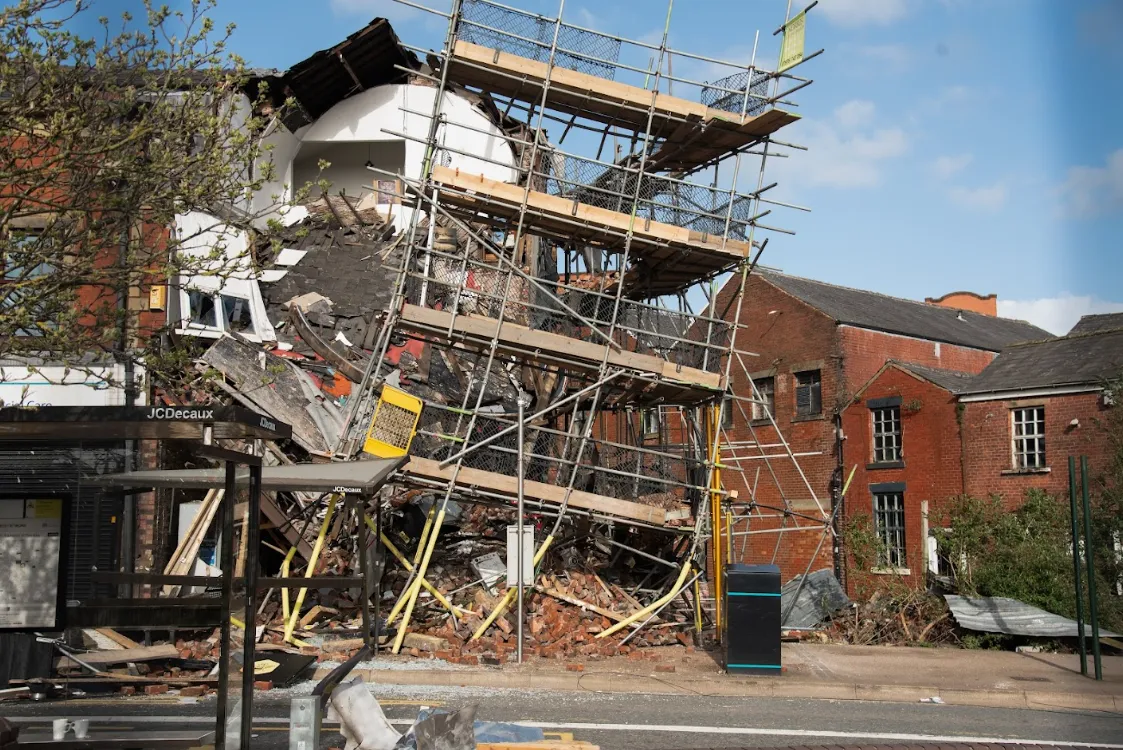


Dear Millers – yesterday, Andy Burnham was swanning about in Cannes with the great and good of Manchester’s development community at MIPIM. For the uninitiated, Le Marché International des Professionnels de l'Immobilier (The International Real Estate Professionals Market) is a property person’s Comic Con. Delegates from all over the world come seeking potential investors and partners, and members of Manchester City Council and the GMCA are regulars, selling Manchester as one of the UK’s best places to invest and build.
But this week the GMCA is facing questions about the way it has been investing in Manchester’s property market, after being forced to publish an independent report it had commissioned in the summer of 2024. Let’s take a look.

Hey! Jack Dulhanty here, thanks so much for reading our midweek newsletter.
These editions are usually for our paid subscribers only, but today's piece on the GMCA's report into its own loan fund is free for everyone. We think that Greater Manchester's voters should know more about the way the combined authority lends our money, and the thinking behind those decisions.
But making something free to read doesn't make it free to produce. We still rely on our incredible paying subscribers to support the work we do. If you'd like to join their ranks and support high-quality, independent journalism in Greater Manchester, hit the button below.
How Burnham’s housing loan fund turned Renaker into a giant
Top line: The report was into the Greater Manchester Housing Investment Loans Fund, which lends money to developers to build homes in the city region. Between 2015 and 2024, it invested £983m in Manchester’s property sector.
How does the fund work? The fund invests by lending to developers, who use the money to complete their projects, then pay back the loan with interest. They apply for money from the fund and the GMCA, acting as a bank, assesses whether the projects the developers put forward are worth investing in. The fund’s central aim is to accelerate the delivery of homes to alleviate the city region’s housing shortage.

The report described the fund as highly successful. At the time it was commissioned, 84% of the developments the GMCA invested in had been completed, with 7,800 housing units delivered. Burnham has long said the fund was designed to invest in local projects the big banks wouldn’t, and the developers interviewed for the report described the GMCA as having more competitive terms and in general being a more “friendly” lender.
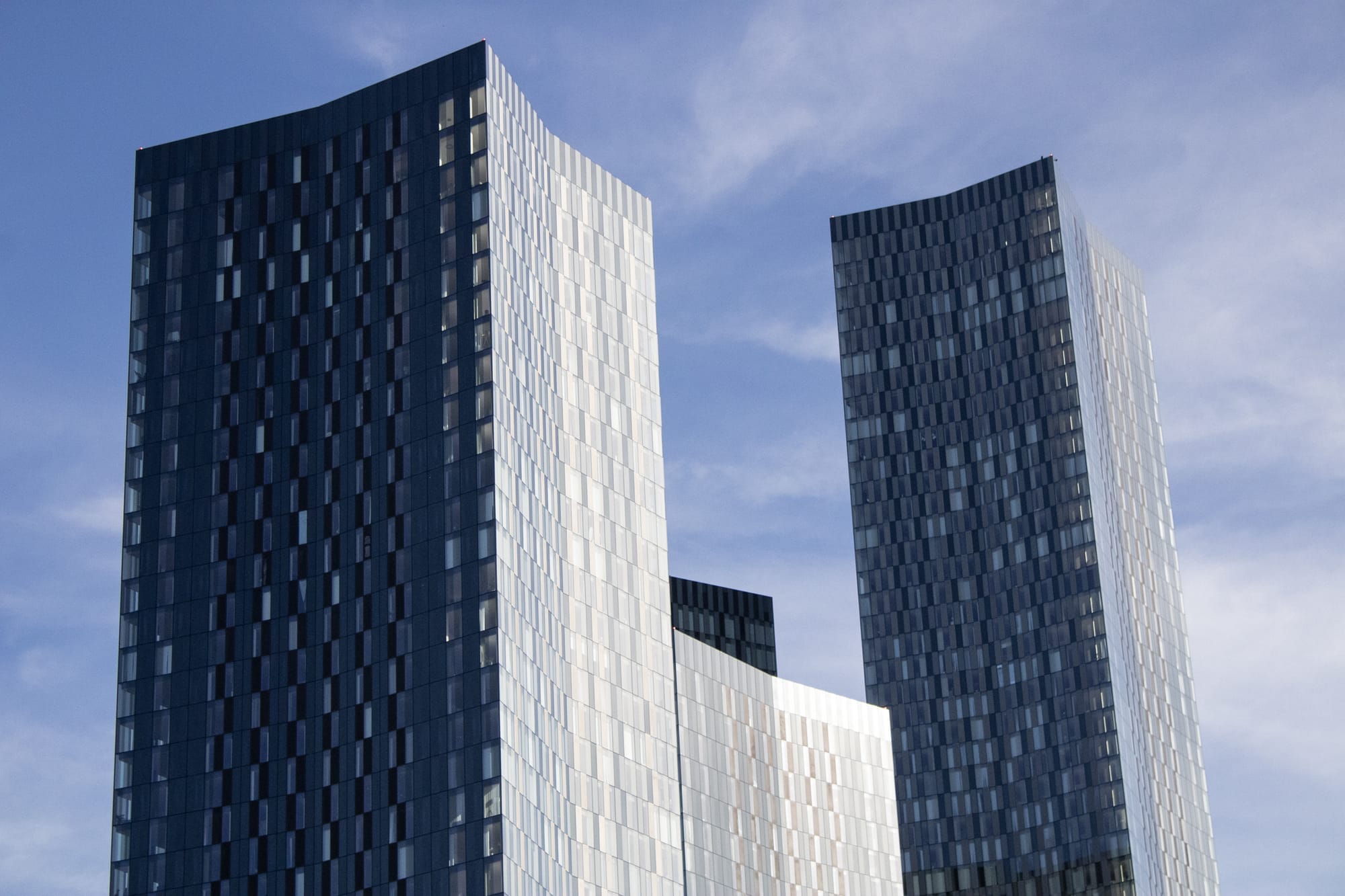
Value for money? The GMHILF (we know, catchy) is a revolving fund, meaning repaid loans are reinvested. In the time between the launch of the fund and the report, the GMCA had made a profit of £29m and the government (who lent the GMCA the fund’s original capital) got £20.9m. It forecasted that, once outstanding loans were recovered, the GMCA would have made another £10m and the government another £18m. A year after the report was commissioned, it was announced the fund’s life-cycle, originally a decade, would be extended another ten-years.
Has it spurred new housing right across Greater Manchester? Not really. As you can see in the graph below, the vast majority of the projects supported by the fund were in Manchester, with boroughs like Wigan, Bolton and Bury getting miniscule amounts by comparison.

The ‘outlier’: Why has so much of the funding gone to just one borough? The answer lies in the fact that most of it has gone to just one company: Renaker. There’s a small, almost unnoticeable, footnote to this graph which states: “Though the larger developments, requiring more substantial funding, will tend to be in or near the city centre, it should be noted that the outlier of the awards to Renaker heavily skews the distribution.”
This story is free to read - you just need to join our mailing list. And why wouldn't you? By becoming a Mill subscriber, you'll get our scoops, features, and insights into Manchester, in your inbox, the second we hit publish. No card details required.
Already have an account? Sign In