Dear readers — in 1906 Chaim Weizmann walked into a hotel room in Manchester for a meeting with Arthur Balfour, who had only just stood down as Prime Minister. Weizmann, an academic working at the University of Manchester, had one thing on his mind: the establishment of a state for the Jewish people in Palestine.
Balfour was uncertain. He preferred the idea of a Jewish state in East Africa, known back then as the Ugandan option. The two men spoke for an hour. Their meeting changed the course of history.
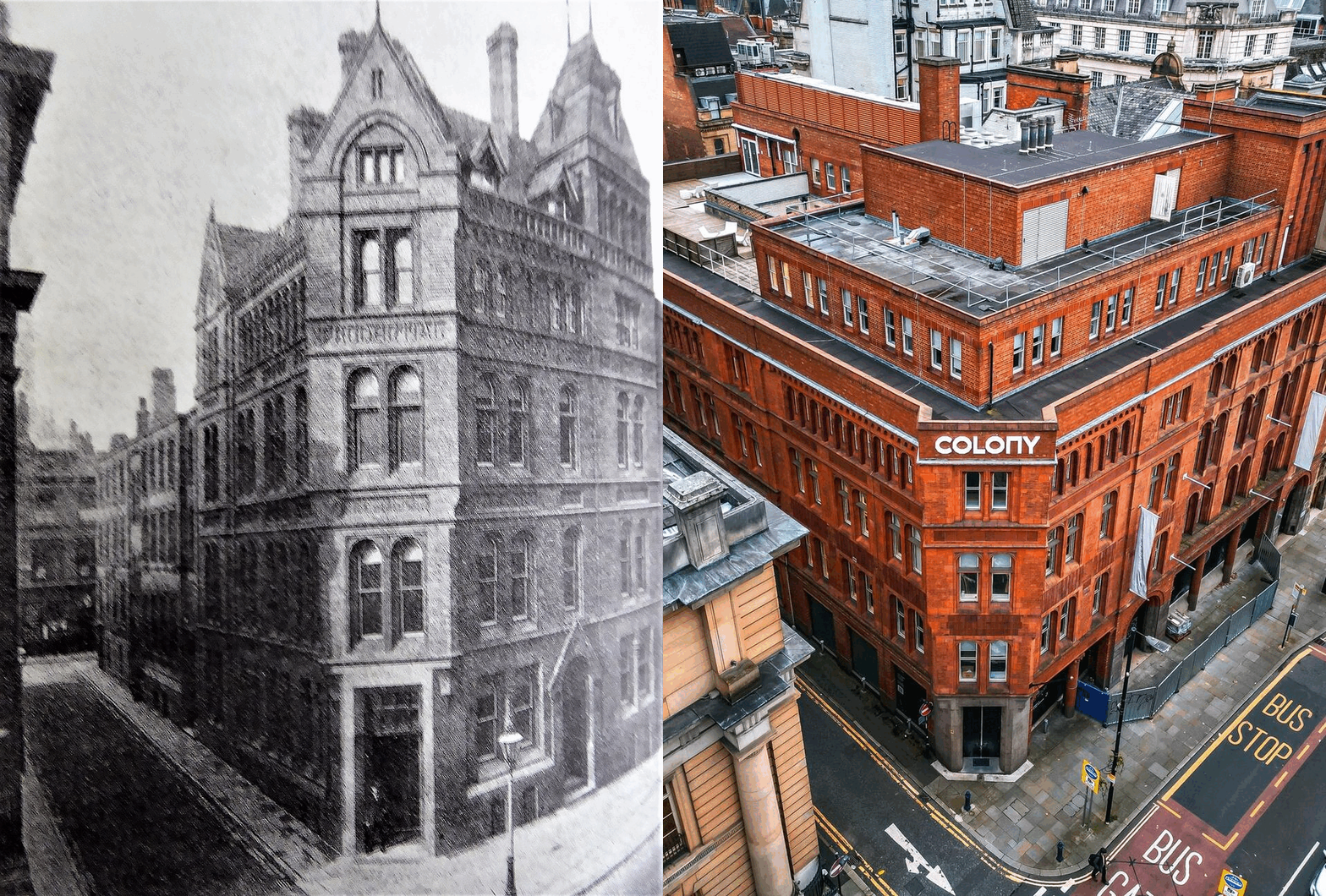
For their eighth and newest venue in the city, Colony is bringing life back to the historic 76 King Street. Designed by Alfred Waterhouse, architect of the Town Hall, in 1888, the landmark building has had a vast and varied life but has sat largely unoccupied since September last year. In the 19th and early 20th century, the site was at the heart of Manchester business and banking district – with their move, Colony is bringing a new generation of workers back to the venue. To learn more about the regeneration and range of their offering, click the button below.
If you're seeing this message, you aren’t yet signed up as a Mill member. That means that halfway down today's story, about the 1906 meeting between Chaim Weizmann and Arthur Balfour.
While we try to make as many stories as possible free for all readers - including our recent piece about the men putting up flags all over the country - please remember that our paying members fund almost all of our journalism. If no one paid, The Mill would simply cease to be.
What’s more, if you'd like to take out a paid subscription to The Mill there has never been a better time to do so. You can sign up now with the button below for £4.95 per month. That's a £4 discount. In return for signing up, you'll get four newsletters a week and total access to our vast back-catalogue. And you'll be able to read the whole of this piece.
Your Mill Briefing
🚆 Andy Burnham has announced what he is describing as the “biggest change to rail services” Greater Manchester has seen in more than 30 years. From 7 December, single tickets will be half the price of returns, tickets will be valid on any operator and the average price of a rail fare will fall by 5.6%. Burnham has promised that the “majority of tickets will cost less”, paving the way for rail being incorporated into the Bee Network next year.
🏢 A £1 billion development in Salford, including Greater Manchester’s tallest skyscraper, has been approved after a long period of opposition (including one objector who said said it "sound the death knell of Ordsall as we know it"). The scheme, put forward by Henley Investment Management, will include 3,300 homes and will be based on the northern part of the Regent Retail Park in Salford. Rebecca Long-Bailey, the MP for Salford and Eccles, has been one of the scheme’s highest-profile critics, believing the massive increase in residents in the area will create a need for more school places, dentists and chemists, without which the area would be at breaking point. Despite some concerns being raised by the planning panel, the scheme has ultimately been given the go ahead.
🗞️ And a shout-out to a fantastic piece of journalism by our colleagues on The Tribune, revealing that a London-based solicitor has bought up hundreds of freeholds in Sheffield and then proceeded to send “very aggressive” letters to the leaseholders. In some cases, Andrew Milne has asked them to pay £25,000 for freeholds that he paid £400 for. The local MP has raised the matter in parliament and the government says it is looking into it. If you’ve heard of anything like this happening in our neck of the woods, please get in touch.
How a meeting in Manchester changed the world
In the opening days of 1906, Arthur Balfour looked out of the window of the Queen's Hotel across to the infirmary in Piccadilly Gardens and the statue of Queen Victoria, whose funeral he had attended five years earlier. According to contemporary reports the weather was of an “exceedingly unsettled and boisterous character”.
It looked, to all intents and purposes, like Balfour’s political career was over. He had served as Conservative Prime Minister from 1902 until December 1905 but stood down amid infighting in his party. Rich and well-connected, he came from the Cecil family political dynasty that stretched as far back as Lord Burghley, adviser to Queen Elizabeth I.
He was best known for his indecision, though, once described by a friend as a man who could be relied upon to nail his colours to the fence. The only time during his political career he was absolutely resolute about an issue was in his violent put down of the Irish Nationalists. It earned him the nickname Bloody Balfour, at least an improvement on the nickname his effete, bookish demeanour once earned at Cambridge University: Pretty Fanny.
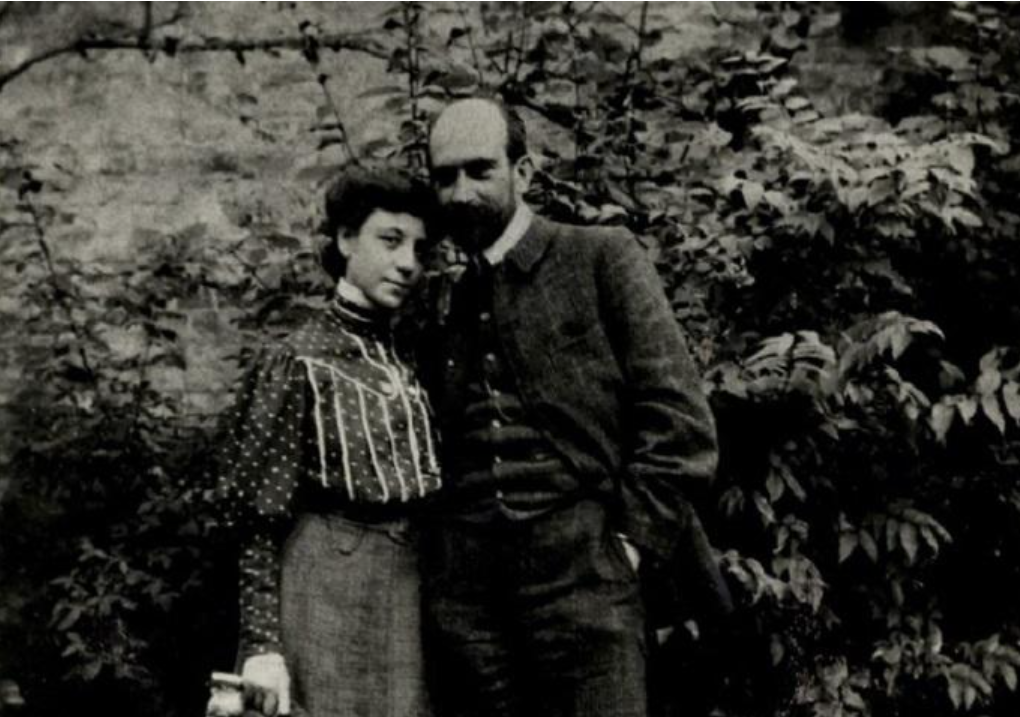
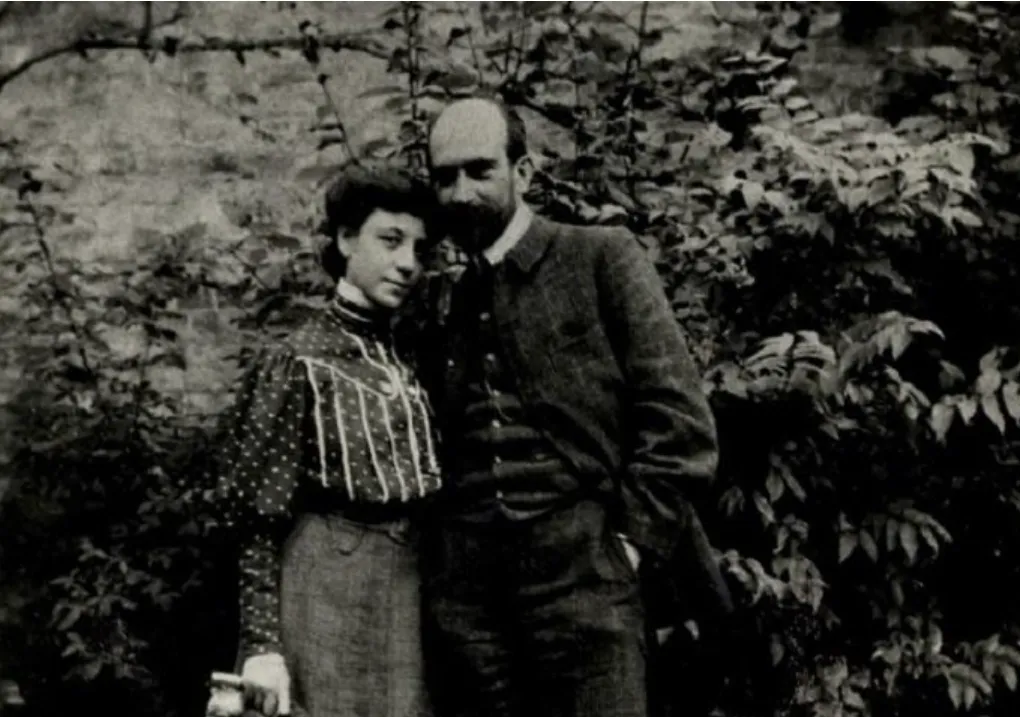
Balfour had reserved a suite at the Queen's to meet with constituents and donors. One of the men scheduled for a meeting was a heavily-accented Russian Jew called Chaim Weizmann. Weizmann carried no briefcase or papers. With his bald head and Van Dyke beard, he bore a resemblance to his Russian contemporary, Vladimir Lenin. The points he wanted to make to Balfour were all in his head. He had rehearsed them a thousand times.
You can help make great journalism happen.
At The Mill, we believe Manchester deserves high-quality journalism. By signing up as a member, you don’t just get the rest of this story — you get four great features delivered to your inbox every week, and the knowledge that you’re supporting a new model of local news, that puts quality and honesty first.
SubscribeAlready have an account? Sign In