

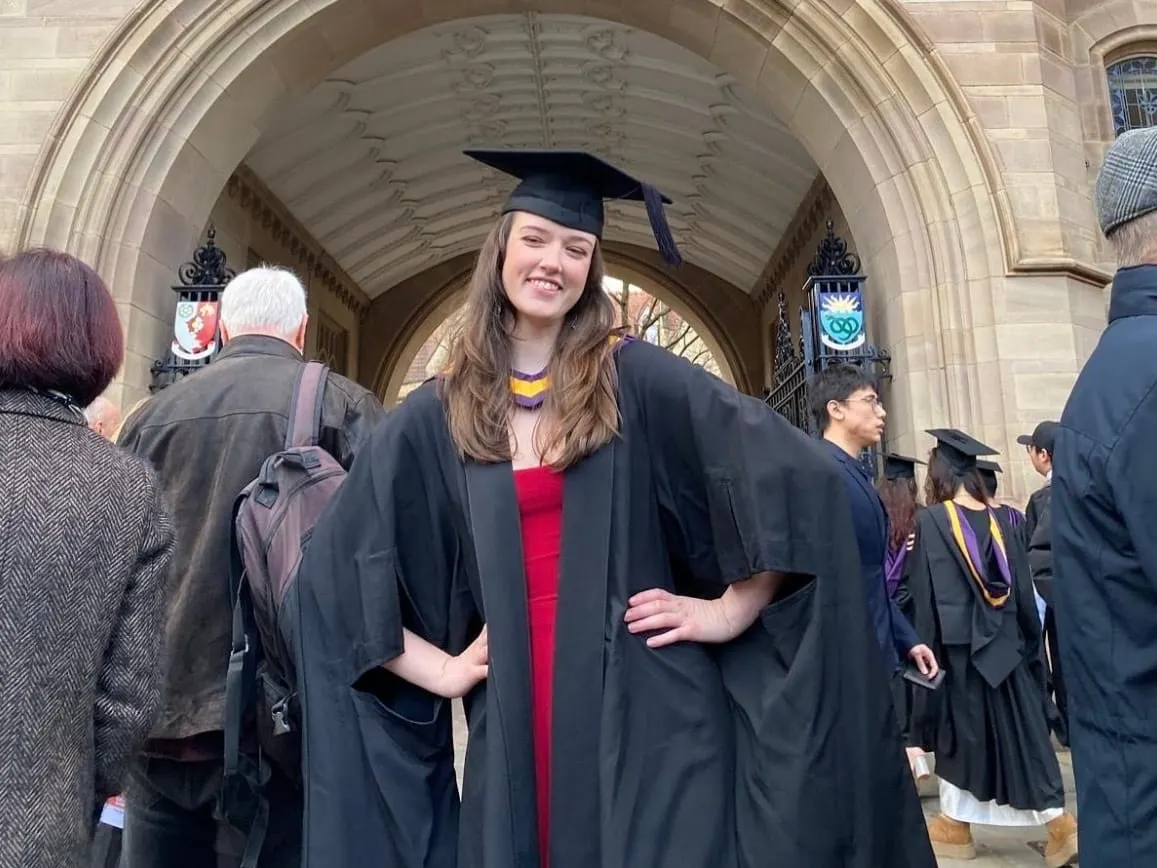
The ringing of the phone wakes Jasmine up. It’s half past one in the morning, and she rolls over in bed to check the number — No Caller ID. She’d never normally answer anonymous calls, least of all when she’s alone in the middle of the night, but curiosity gets the better of her. She picks up.
“Hi, Jasmine,” a voice says.
It’s the voice of a man, perhaps in his early 20s, speaking clearly and with no attempt at hiding his true identity. It’s not a voice she recognises. Jasmine stays silent.
“You were more talkative when we met in the engineering building,” the man tells her.
It’s late 2023 and Jasmine, who is 22 at the time of the call, is in her second year of medical school at the University of Manchester. She studies in the engineering building fairly regularly, but only ever with friends, and she hasn’t met anyone new. Fear sets in.
The man asks her to start making sexual noises, the kind she made when they “last met.” She can hear the muffled sound of other voices in the background.
It’s at this point that Jasmine hangs up the phone, but she can’t get back to sleep.
Jasmine was already aware of these kinds of incidents; she’d just never been on the receiving end: students targeted by anonymous calls late at night, calls that often veered into sexual harassment or, at the very least, were unsettling enough to terrify the person on the other end of the line. Nobody could say for sure how these callers got hold of their victims’ numbers or knew their names, but the prevailing assumption was that fellow medical students obtained the details from year group WhatsApp chats — which could have upwards of 500 students on them. “Among my friend group a lot of people knew this was a thing. I’d hear about it all the time,” Jasmine tells me.
The next time she picks up the phone it’s around a year later, though she’s received several No Caller ID calls in the interim. It’s a different man speaking, but again, Jasmine’s sure she can hear the voices of other men in the background. This caller says he’s “seen her around” and that she’s “very pretty”.
“Can you leave me alone?” Jasmine asks.
The man’s tone shifts. He raises his voice, calling her “a bitch”. Then he tells Jasmine to kill herself.
Jasmine hangs up the phone and cries. “It’s hard to describe the feeling,” she reflects now. “Many people wonder why nobody brought it up but everyone thought the same thing: it’s a call. I can’t even prove it’s a student here, so what can the university do?”
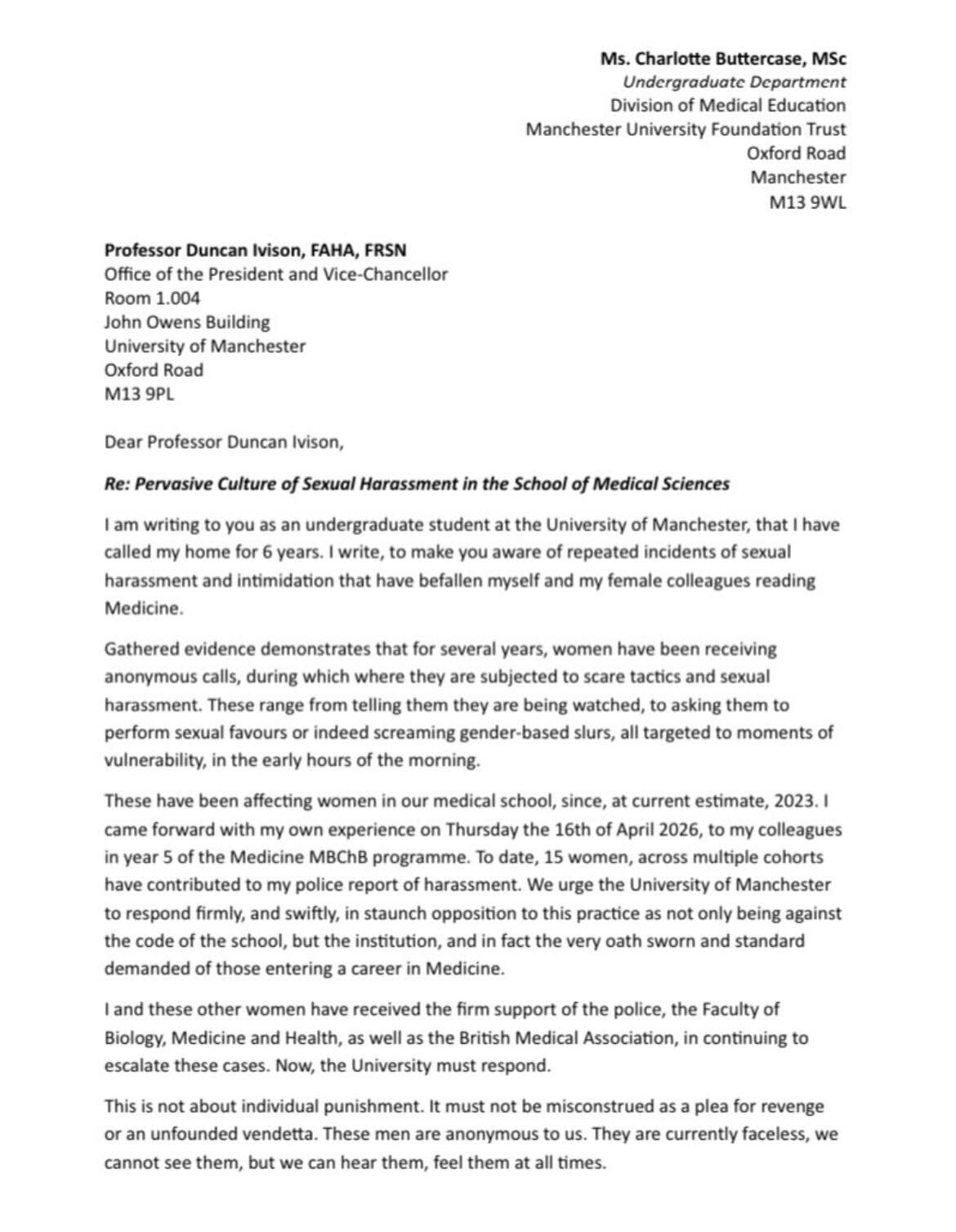
It’s only when a friend sends her an Instagram post a year later that these memories are suddenly pushed to the fore. The post, from 22 April this year, is an open letter to the university’s vice-chancellor Duncan Ivison, urging him to investigate a “pervasive culture of sexual harassment in the School of Medical Sciences.” It’s written by a final-year medic, Charlotte Buttercase, who’s 24.
“Gathered evidence demonstrates that for several years, women have been receiving anonymous calls… These range from telling them they are being watched, to asking them to perform sexual favours or indeed screaming gender-based slurs, all targeted to moments of vulnerability, in the early hours of the morning,” Charlotte’s letter reads. At the time of writing, it has received nearly 1,200 signatures. The British Medical Association has since condemned the “deplorable behaviour”.
Charlotte’s own experience is eerily similar to Jasmine’s, but occurred much more recently.
It's 2am on 16 April and a phone call stirs her from sleep, but she’s too drowsy to answer. Then her phone rings again: No Caller ID. Charlotte answers immediately, thinking there’s been some kind of emergency.
“Is this Charlotte Buttercase, Med Ed president?” a man asks.
Charlotte runs the Manchester Medical Education Society, hosting sessions for students who are resitting or who require extra support. Plenty of people have her name and contact details, so while she doesn’t recognise the caller’s voice, she isn’t concerned. She tells the man, who says he’s resitting his fifth year, that he’s got the right number but it’s not an appropriate time to phone; she’ll give him a ring back later.
The man says he needs her now, adding that he’s about to kill himself. She tells him she’ll offer support if he really needs it, but then she hears snickers in the background of the call.
“That’s not funny. Wise up — you’re about to be a doctor,” Charlotte says. The background laughter grows more raucous. The caller adopts a low, raspy voice and asks what “physical and emotional support” Charlotte can offer him. When she asks what he means, he says he “can’t get it up”.
“That constitutes sexual harassment. I suggest you stop and put the phone down now,” Charlotte says. The man hangs up. Charlotte is left “feeling tiny”.
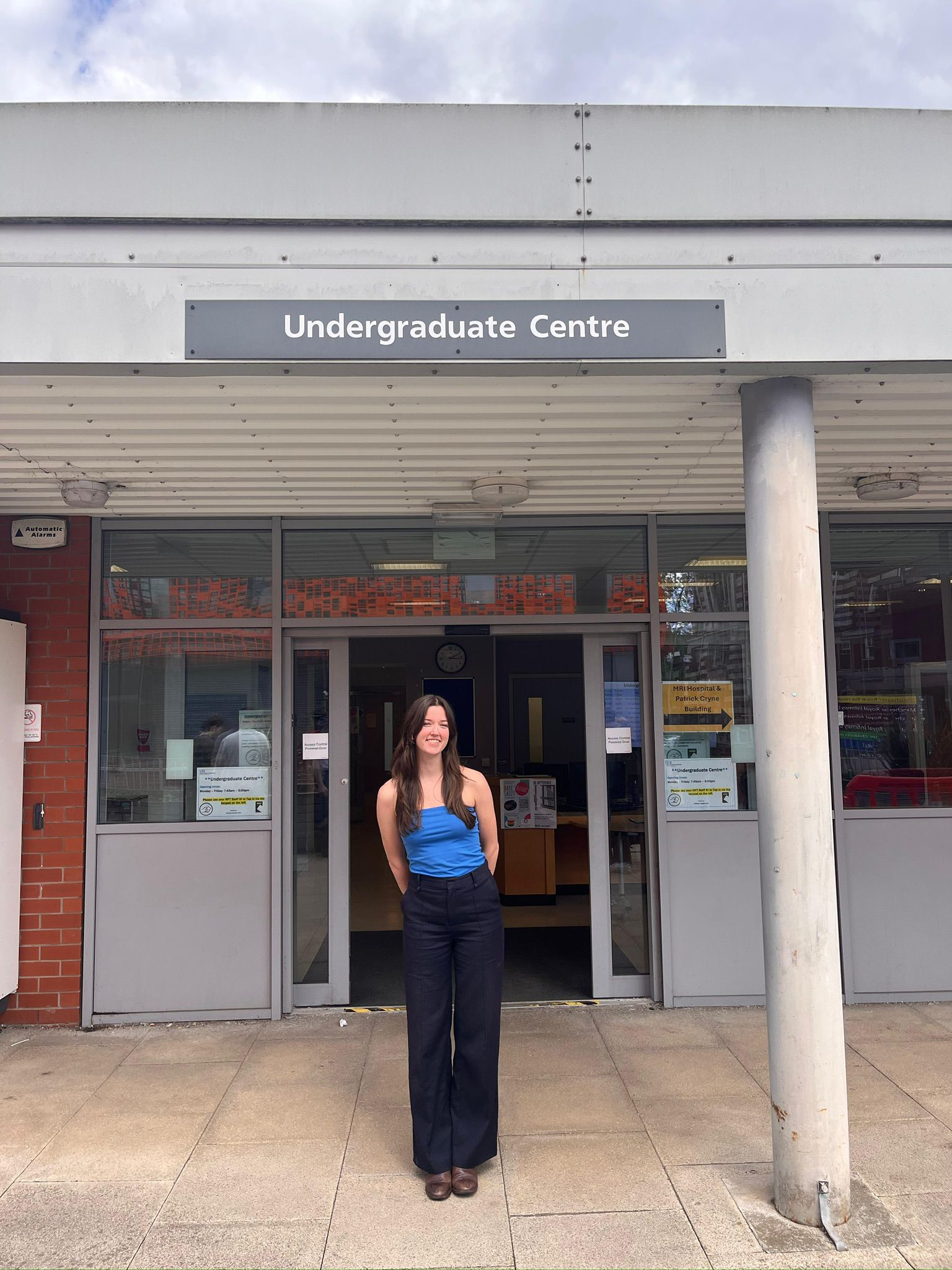
She later finds out that she wasn’t the only one to receive an anonymous call that night. While it’s impossible to say that the calls were made by the same person, especially since most of the students were asleep and didn’t pick up, Charlotte says she was one of at least seven women to be phoned on a No Caller ID number at around 2am.
While on placement the following day Charlotte decides to message her year group WhatsApp chat – which has over 550 people on it – to let them know what’s happened. “Shame must change sides,” she wrote, quoting the rallying cry made popular by rape survivor Gisèle Pelicot, “and I’m choosing to raise awareness of this unacceptable behaviour rather than spending another moment feeling alone”. She encourages any students who have experienced something similar to let her know, expecting the odd message to trickle through, before putting her phone away.
But as she gets ready to head home a few hours later, a friend stops her. “Do you know how much of a bomb you’ve just set off?” the friend asks. Charlotte checks her phone: over 250 people have liked her message and over 70 students have contacted her privately. Most are expressing support, but 15 of the messages recount similar experiences with late-night calls. “Some of the messages were from boyfriends who were saying: ‘My girlfriend doesn’t feel safe in her own bed because of these creepy calls. She’s terrified, so can I just say this on her behalf?’” Charlotte tells me.
She files a police report (GMP has confirmed it’s looking into reports of malicious communications and harassment, though no cases so far have passed the threshold for a criminal investigation), and less than a week later, Charlotte publishes the open letter to Duncan Ivison. Student after student begins to reach out to her with testimony. To date, Charlotte says 32 people have come forward, though she thinks this figure underestimates the scale of the issue. One of those women is Naina.

Now 24 and a doctor based in Wigan, Naina, who asked us not to use her second name, was targeted by an anonymous call in 2021 during her second year at the University of Manchester. She tells me this caller “launched abuse” at her, leaving her “terrified and shaken up”. As with the other cases, it was a male voice she didn’t recognise, and she could hear other men in the background. The man recounted details about Naina and information about her course that she thinks only a fellow student could have known. She grew fearful that she was being stalked, and would peer at faces in lecture halls wondering who was responsible. Naina says she reported it at the time, but nothing came of it. When she saw Charlotte’s letter in April, she felt “absolutely disgusted” that this kind of harassment was still happening years later.
Professor Ashley Blom, vice-president and dean of the Faculty of Biology, Medicine and Health, told The Mill he’s grateful for those who have brought the issue to their attention and encourages anyone who’s experienced this behaviour to come forward via the university’s reporting process. He added that misogyny and harassment are inconsistent with university standards and the medical profession, and that a wider review has been initiated.
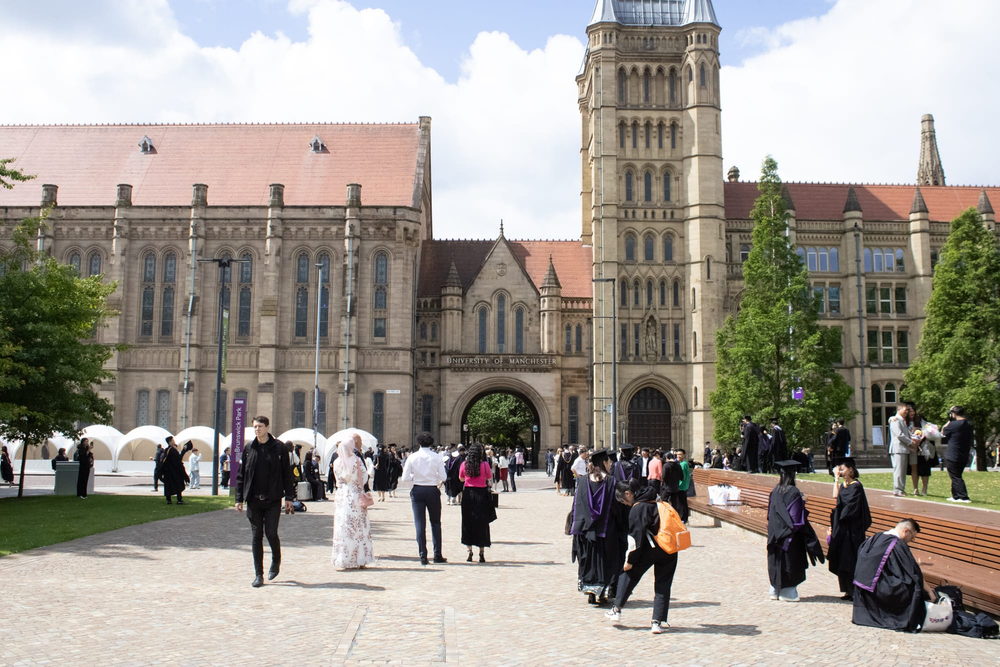
“We are treating this with the utmost seriousness. We are making sure that those who have spoken out are listened to and properly supported. We have launched a formal investigation into the specific incidents raised and will report findings through the University’s appropriate formal processes. And we will undertake a comprehensive review of the cultural and systemic issues raised.” Professor Blom added that they “know there is hard work ahead,” which will be approached “with honesty and a relentless determination.”
Last Saturday, despite a formal investigation being launched, Charlotte tells me two more women, an 18- and 19-year-old in their first year at the university, received anonymous calls late at night. She says they were terrified, and contacted Charlotte after seeing a BBC article about the issue.
Like others in her cohort, Charlotte has just finished her final year and is a newly qualified doctor. By August, she and her peers will begin treating patients. If, like Charlotte believes, the perpetrators of these calls are fellow medical students, then she’s horrified that they may very soon be caring for women and girls at hospitals and doctor’s surgeries across the country.
“If this uni doesn't act properly, if this investigation isn’t done properly… I’m not even saying they have to lose their licence, but my god do they have to learn something, some kind of consequence…” Charlotte stops talking mid-sentence as tears spring to her eyes. “These women deserve to be safe. They especially deserve to trust their own doctors.”
If you have been affected by this story, Manchester students can find support for sexual harassment here.
Know more about this story? Get in touch. We will treat any information you share confidentially, and would never name or identify you in a piece without consent.
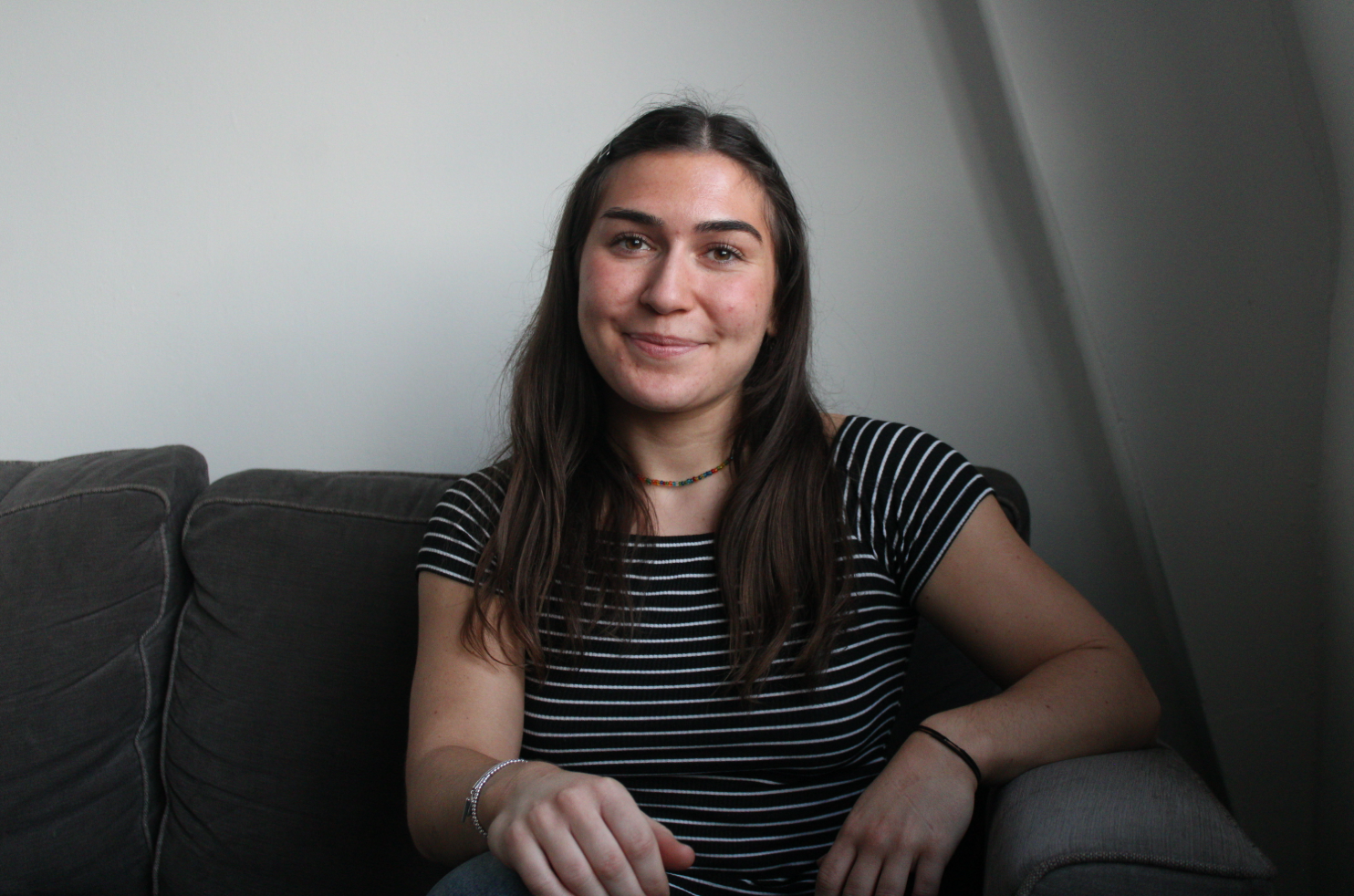
Hi, I’m Lucy, the writer of today’s piece. We wanted to publish this story for free because we believe this information should be for everyone. But the only reason we’re able to do this kind of reporting is because of the support we get from our paying members.
They’ve allowed us to do numerous investigations into sexual harassment in Manchester, like today’s piece, and our investigation last year into Sammy’s Bar, a popular Northern Quarter venue, where we revealed that its owner had secretly used the bar’s CCTV to film himself having sex with a customer.
Being reader-funded means that we can give these stories the time, nuance and depth that they deserve. If you’re not already one of our paying members, you can sign up below for just £8.95 a month. You won’t just get access to stories like this one, you’ll get between eight and 10 extra editions every month, and the knowledge that you’re helping support a sustainable model of local journalism, one that focuses on holding institutions and individuals to account. Click the button below to join us as a member.
If someone forwarded you this newsletter, click here to sign up to get quality local journalism in your inbox.