
When I read that another inquiry into working class access to the arts was being launched, this one called Class Ceiling and sponsored by the Co-op, among others, my initial thoughts matched those of Brenda from Bristol in that famous clip after a snap-election was called in 2017: “you’re joking — not another one!”.
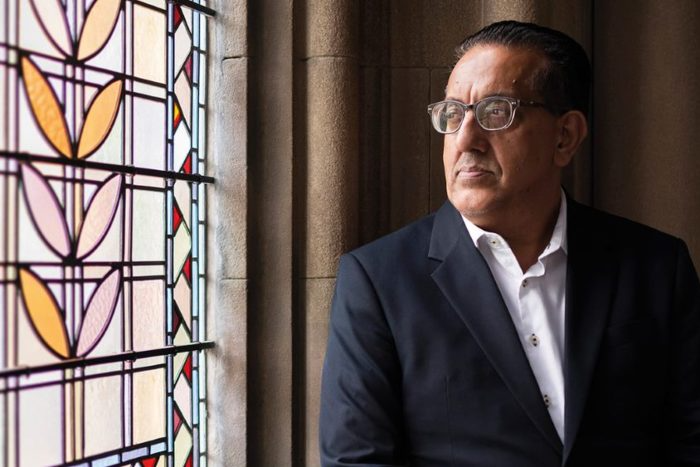
However, when I read that this inquiry was being headed up by Nazir Afzal OBE, I was suddenly a bit more interested. Afzal is a man who certainly doesn’t want for prestigious job titles (he’s the former chief prosecutor for north west England and the current chair of the Lowry theatre, chancellor of the University of Manchester and a board director of The Creative Industries Independent Standards Authority) but in this new role he’ll be striving to go where no man has gone before him: pulling off an inquiry into working class participation in the arts that actually makes an impact.
Nazir Afzal and I have something in common. While he was working as a chief prosecutor I was (and still am) working as a police station representative, defending suspects under arrest at stations across Greater Manchester. Many of the people he has prosecuted I have defended; many of the people I have defended he has not prosecuted.
In fact, I wrote a play based on a case he will be aware of that was shortlisted by the BBC and eventually received Arts Council funding for a short run at the King’s Arms in Salford. It was based on somebody going off to allegedly join ISIS, getting caught and being returned to this country for questioning. The BBC liked it very much but were a bit unsure about the subject matter at the time. It’s fair to say then that although we both have the interests of criminal justice at heart we do not make natural allies. We do share another interest too: working class representation in the arts.
The report, it says here in front of me, is believed to be the first attempt to deliver a “place-based solution to address a marked national decline in working class representation in the creative industries”. Afzal won’t be working alone. Alongside him will be Avis Gilmore, a former deputy general secretary of one of Europe’s biggest trade unions. Together they hope to deliver “a blueprint for change”. So there you have it: a nice bit of deathly management consultancy prose to persuade you that something is about to be done.
But it’s easy to be cynical, and Afzal is certainly well-respected. Keen to find out what this blueprint might entail, I reached out to Afzal, who was kind enough to agree to a chat earlier this week. I wanted to be as honest as possible with him, so I started by expressing my concern that we may have been down this road before.
Last year, I wrote a piece for The Mill about the lack of working class participation in the arts in Manchester. It was entitled ‘Do Manchester’s theatres have a class problem?’, and — without simply rehashing the arguments made in that piece — I ended the piece with a few suggestions for how things might be improved: such as a a 50p levy on all theatre tickets to go towards creatives from lower income families to cover various costs (like travel and loss of earnings for auditions outside the city) or more paid internships for people from disadvantaged backgrounds. To give you a quick spoiler, that title is a rare rebuttal of Betteridge’s Law: the answer is yes, yes they do.
That piece began with a mention of another inquiry, the one launched in 1997 after the Labour Party won a landslide under Tony Blair, in which Arts Council England spent five years trying to work out why the arts weren’t accessible. At the time that inquiry was declared a great success — at least in the view of then-culture secretary Tessa Jowell. Why then, I posit, after 28 years and another Labour landslide, are we still doing inquiries?
Afzal’s answer is simple: the focus of this inquiry will be local, not national. That’s what will set it apart. Besides, it doesn’t matter what’s been done before, he tells me, his plan is to identify what it is specifically holding back working class people who want it to work in the arts in Manchester now. The issue with the many, many inquiries of years past has been that they take too broad a view of things — this one won’t.
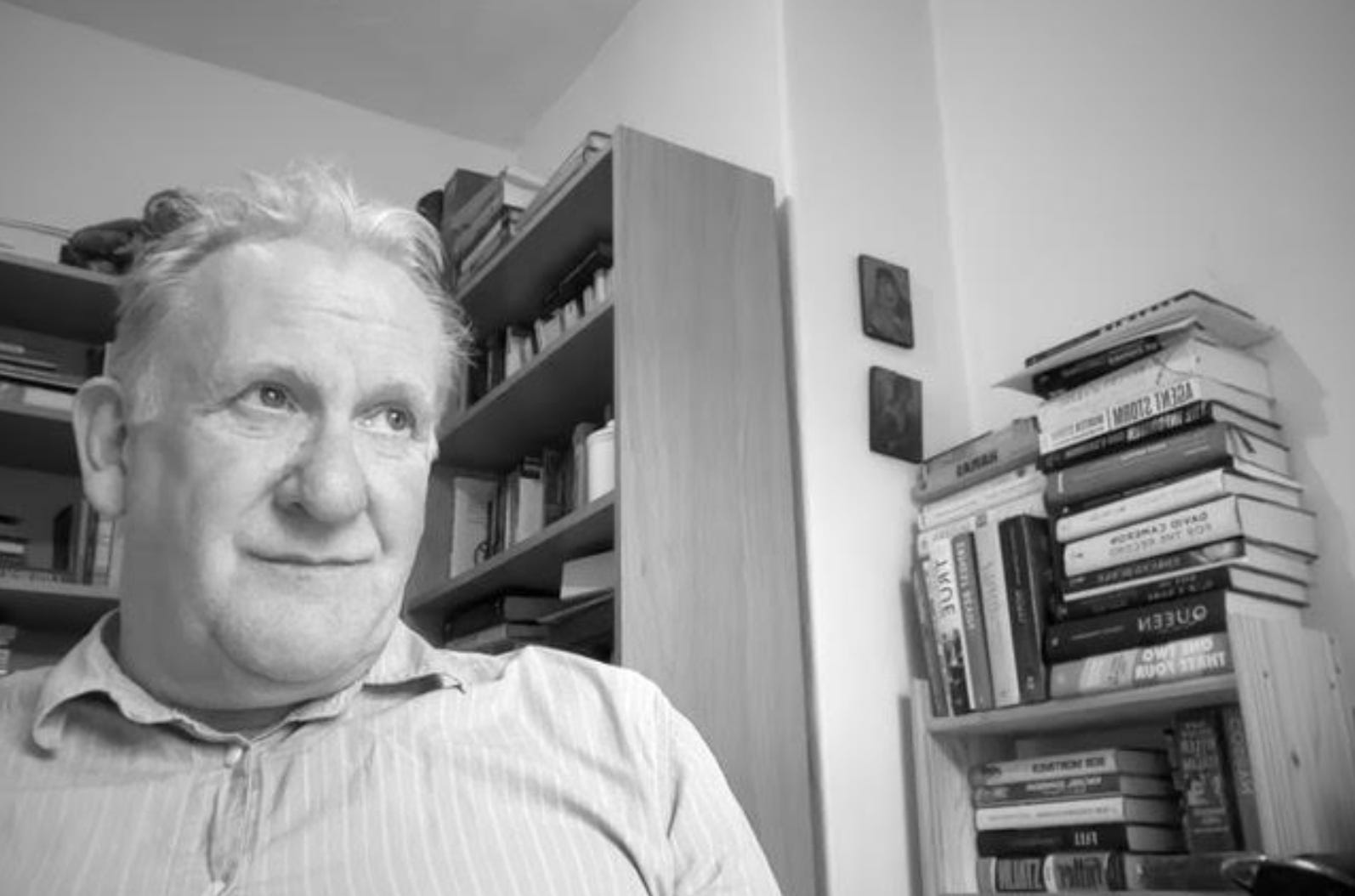
I’m also told the inquiry's Manchester-focus makes sense because the it will follow the principle of what Manchester does today, others follow. This I’m also initially sceptical about, not least because I think a lot, but by no means all of Manchester’s recent cultural history is massively overstated and nowhere near as influential as people make it out to be. Why, for example, does Factory International, named after what is essentially a failed business model, get hundreds of millions of pounds thrown at it while the Anthony Burgess Foundation, named after one of our greatest ever writers, sits in a little shop on Cambridge Street. But anyway, that’s a digression, and more on Burgess later.
In Labour’s winning manifesto from last year, there were yet more promises to increase working class arts participation. Afzal knows the Prime Minister well, having worked under him during his time at the CPS (he once said they were “kindred spirits”), but was honest in saying the delivery of those promises hadn’t even begun and there was little point in waiting for them to do it for us anyway: let’s crack on without Westminster or indeed anybody else getting involved. This much, we both agree on.
John Blundell, who works for the company leading the inquiry, Rise Associates, and is also a Labour councillor in Rochdale, is a working class Milnrow lad (pronounced Milnrer if you’re from there). He’s also keen to stress the local-focus as its major selling point, telling me he believes that the needs of someone from Openshaw may be vastly different to someone from a rural area in another part of the country. National studies are one thing but understanding specific places are something else.
To be clear, I do think there are positives. Speaking to Afzal, his sense of urgency is clear. He doesn’t want an inquiry that will drag on for years, which is why the target date for completion is 26 January 2026 — by which time he should be ready to present to the Greater Manchester Combined Authority.
What’s more, I’m pleased to hear that there's genuine concern about the pay and conditions of both freelancers and full time staff. Afzal assures me that staff at the Lowry are paid the living wage, internships are also paid and only 5% of the Lowry’s income is from public funds. I’ve been vocal in the past about the appalling financial exploitation in the theatre — like the Royal Exchange’s award-winning 2017 play, The Suppliant Woman, which starred an all-female community chorus of unpaid women. To hear that Azfal shares my disdain for such arrangements, and that pay and conditions will both feature in the inquiry, gives me cause for hope.
There are other things we agree on, too. Here’s one: The BBC, ITV and other traditional outlets have probably had their day. Of course, we all had great hopes when the BBC relocated to MediaCity, but here’s a question I posed in my previous writing on this topic: “How many people from the nearby Ordsall estate do you think are employed at management or creative level at Media City and not just cleaning the toilets and offices or working in the lower-paid hospitality sector?” I’ll answer that question now: virtually none.
Besides, the most popular television channel in the history of broadcasting is now YouTube and the most powerful social media communicator with the biggest reach amongst young people who might want to get involved in the arts is TikTok. While those two outlets are to me a foreign country of which I know nothing, I think one of the things the inquiry should concentrate on is how to harness this media. Nazir tells me he’s keen to get some new sponsors in and to do that you have to persuade them that the talent is out there and worth investing in.
There is no dispute that things are a mess. Speaking to The Mill last year, Dave Moutrey, Manchester’s director of culture, gave his view that the arts had been “colonised” by the middle classes. Quite what role Moutrey plays in this inquiry I’m not sure. Either way, his take is the right one. You may put that down to lack of funding (which I think is only part of the problem), class prejudice and representation within the arts (which I think is a bigger problem) or the simple fact that people can only aspire to what they see, and if people are not exposed to culture they won’t pursue it.
As our chat drew to a close, Blundell asked me not to be too pessimistic when I came to write this piece up. He wondered aloud whether that the word hope should be somewhere in the headline to this article. That’s not down to me. I don’t write the headlines — the editors do. For what it’s worth though, here’s something I hope for.
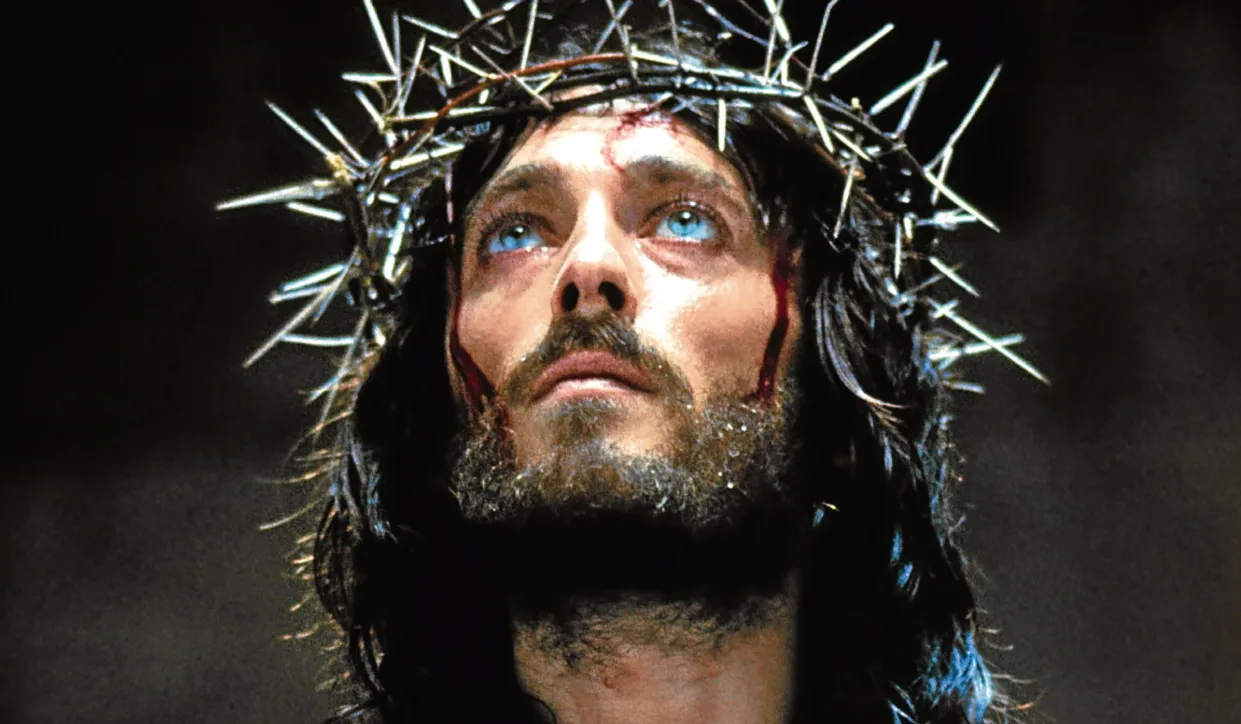
In the mid 1970s ITV embarked on an ambitious and vastly expensive co-production with an Italian TV company. The resulting drama, Jesus of Nazareth, was screened on ITV in two parts: on Palm Sunday and Easter Sunday in 1977.
I was in my late teens when it came out. As we were a Catholic family we all sat down to watch it together. It was almost an obligation: you go to Mass, you watch Jesus of Nazareth — no arguments. It was directed by the Italian Franco Zeffirelli who was known more for his prestigious cultural output than for Hollywood blockbusters: his Romeo and Juliet adaptation had earned him a nomination for the Best Director Oscar just under a decade prior. The new production was to star some of the most respected actors in the world: Laurence Olivier, Anne Bancroft, Olivia Hussey, Peter Ustinov and James Mason.
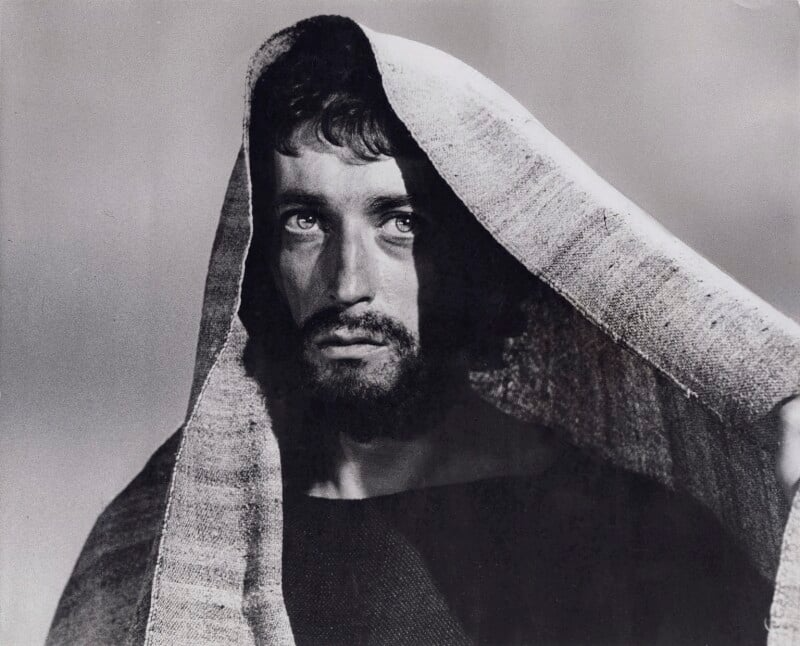
All that star power would have been for nothing had they not got the two key elements absolutely right — the star and the writer. A bad script and a terrible Jesus would have ruined the project and destroyed the reputations of those involved. So who did they turn to? For the part of Jesus, Zeffirelli chose a relatively unknown kid from Salford called Robert Powell. The script was written by the writer, novelist and polymath Anthony Burgess, who was born in a terraced house in Harpurhey. The end result turned out to be one of the most highly regarded and successful dramas in the history of television and is still shown at Easter in many countries around the world. It also became acceptable for the first time since Anno Domini that women, and some men, could fancy Jesus.
Can you imagine that kind of gamble on a project being made today? My hope now is as it always has been: that people will be able to recognise talent from this region when they see it and take a risk. When we get to that place again I’ll drop my curmudgeonly pessimism for good.
The way things stand now, one of the greatest actors the world may never see could be right here in this region. But she will never step foot on a stage or in front of a camera because she may well think the cultural industries just don’t want her and it’s not worth the effort for her to try and break in. The great twenty-first century novel may forever sit on the hard drive of another Anthony Burgess from a council estate in Harpurhey. It will never be read by anyone let alone published because if anything the publishing industry is even worse than the creative industries.
Likewise, the modern day Shelagh Delaney is sitting out in Salford somewhere, writing a play that could still be selling theatres out in seventy years if only it was given a chance, as a Taste of Honey did recently at the Royal Exchange. And Neville Cardus was born the illegitimate son of a washer woman in Rusholme in 1888. His love of two things, cricket and music, led to him becoming the critic of what was then the Manchester Guardian. He wasn’t funded, had no formal education or training and yet he became one of the most respected cultural critics of his day because of his sheer love of culture. There are so many more Nevilles out there.
The working classes are banging on the door here and we have been for years. We just want to be let in. The problem is that the rest of the industry has such a low view of us they think we just want to come in and nick their stuff. The guardians and gatekeepers of the cultural industries use their class as a shield. It’s about time we used ours as a battering ram.
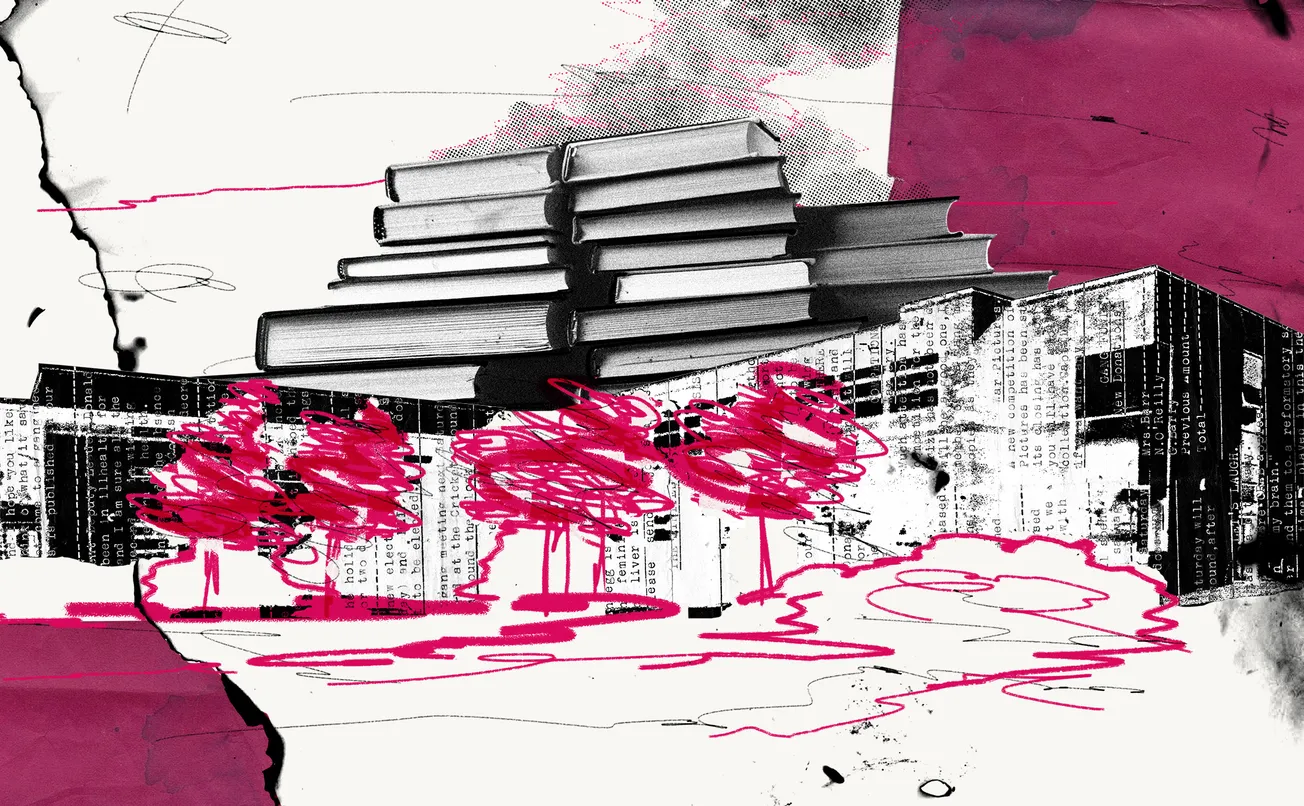
The final report will be published in early 2026. My initial prediction was that nothing will change. Everybody will go back to what they were doing before they wrote it and lament with all sincerity that we must do something to reverse this trend. It will be placed on the ever growing stack of previous reports now piled so high they’re in danger of toppling over. But I hope I’m wrong, and I wish the team working on it well.
You can contribute here: https://bigconversation.co.uk/class-ceiling/
Correction 30/09/2025: An earlier version of this article stated that Franco Zeffirelli's Jesus of Nazareth production was co-produced with Granada Television. This is not the case – the production was a collaboration between Rai 1 and ITV. The article has been updated.
If you believe in what we’re doing, please join up as a paying member of The Mill. Our brand of journalism only works if we add dozens of new members every month, and this month we’re a bit behind our target. We need 15 new members to get on track, and I’d be incredibly grateful if you were one of them.
By becoming a Mill member, not only will you be joining our community and getting lots of extra members-only editions, you will also be helping us to produce important free-to-read journalism for people who can’t afford it. Just click that button below to join with a 40% discount for your first few months (or click here to join as an annual member of super supporter).