
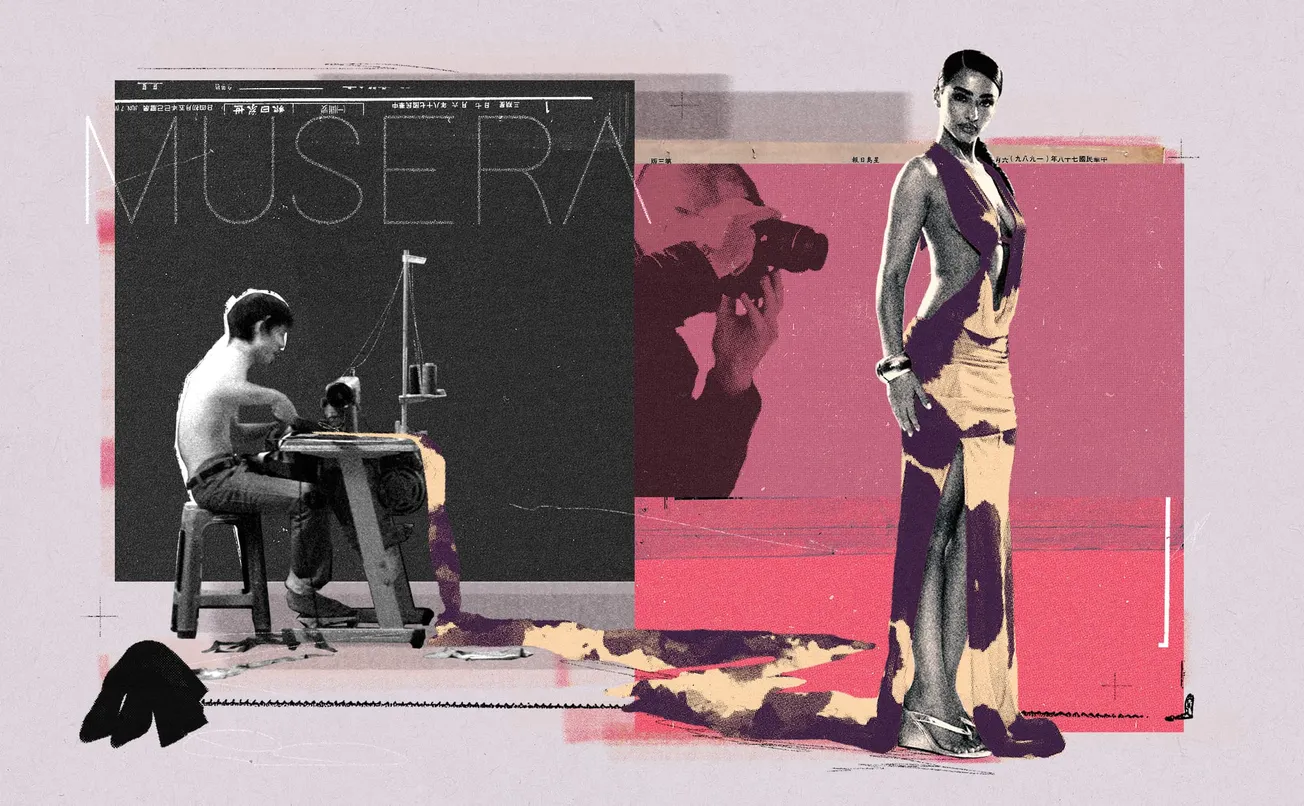
“I can’t always be in LA,” reads one TikTok caption, “someone has to hold it down in Rochdale.” It’s written over a model strutting through a leatherwear shoot. She’s wearing Musera, which looks to be Manchester’s friendliest, chicest new clothing label — launched in 2024 from an old fabric warehouse in the Northern Quarter.
From this Newton Street office, a band of young designers turn out a stream of trend pieces: low-rise trousers and asymmetric tops, distressed knitwear and leopard-print flares, western fringed jumpers and A-level prom gowns. Their Instagram bio lauds the brand as “Est. MCR.”
Over a million people watched the staff dancing around their Northern Quarter office to Whigfield’s Saturday Night on TikTok. More still tuned in to a video showing them kitted out in Musera for Drake’s performance at Co-op Live last year. And who knows how many have sidestepped the brand’s small militia of influencers, pacing down Canal Street in matching gym sets for the exclusive brand run club.
“Be a muse in your own era,” goes their slogan; presumably also the source of their similarly recondite name. Their Instagram captions are a list of internet cliches verging on parody. “My blood type is iced latte,” reads one post.
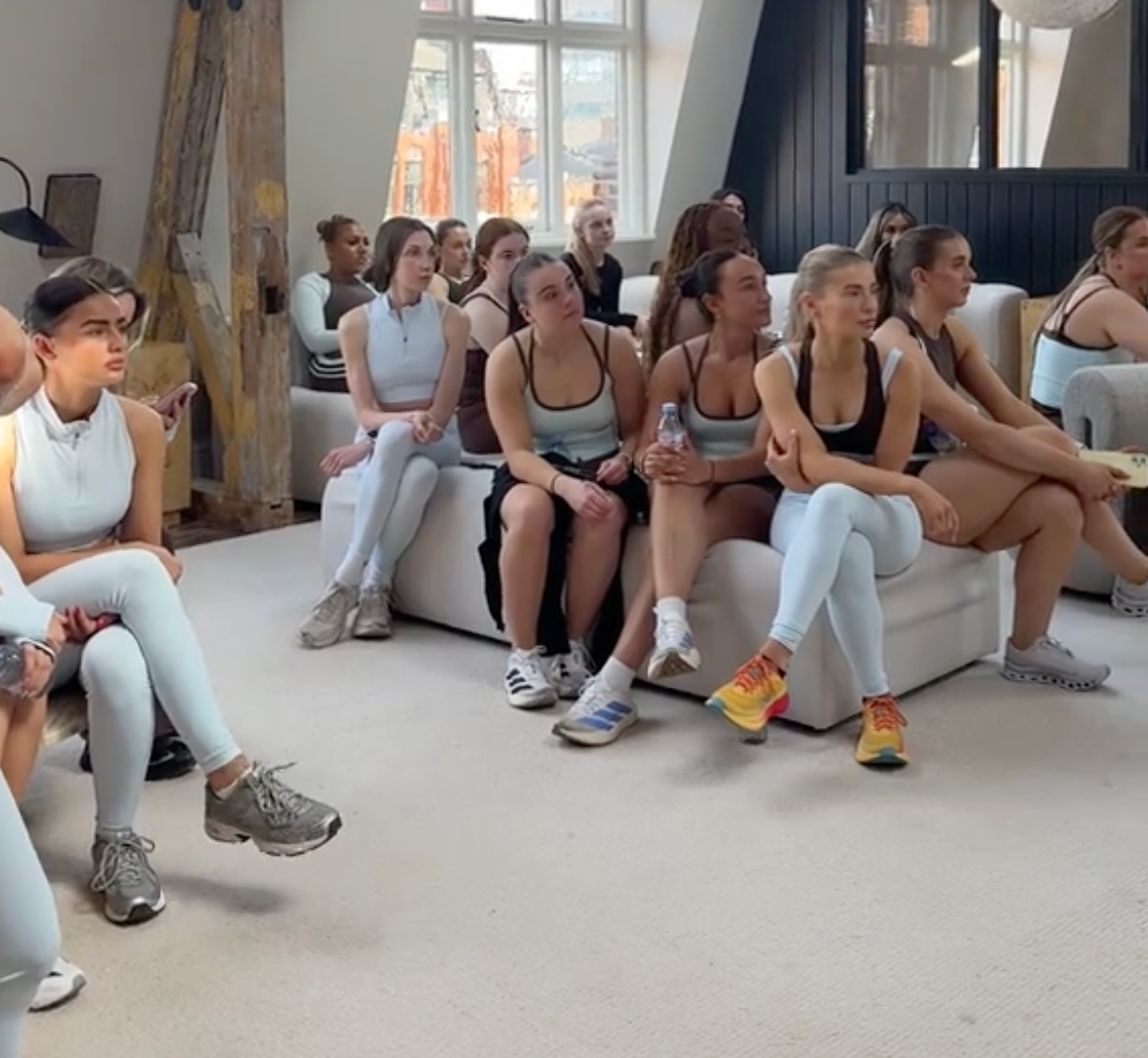
Looking at this well-curated online presence, you might well be convinced that Musera is, as they suggest, Manchester through and through.
But beneath the iced lattes, the run club and the confected Mancunian charm is a darker reality at Musera — one shrouded in mystery, poked at by online sleuths, and told here in full technicolour. Behind Musera lies a supply chain beleaguered with accusations of exploitative working conditions and materials sourced in detention camps, as well as confessions from the company itself of child labour.
The Boohoo years
This story starts where most tales of Manchester’s troubled textile history end.
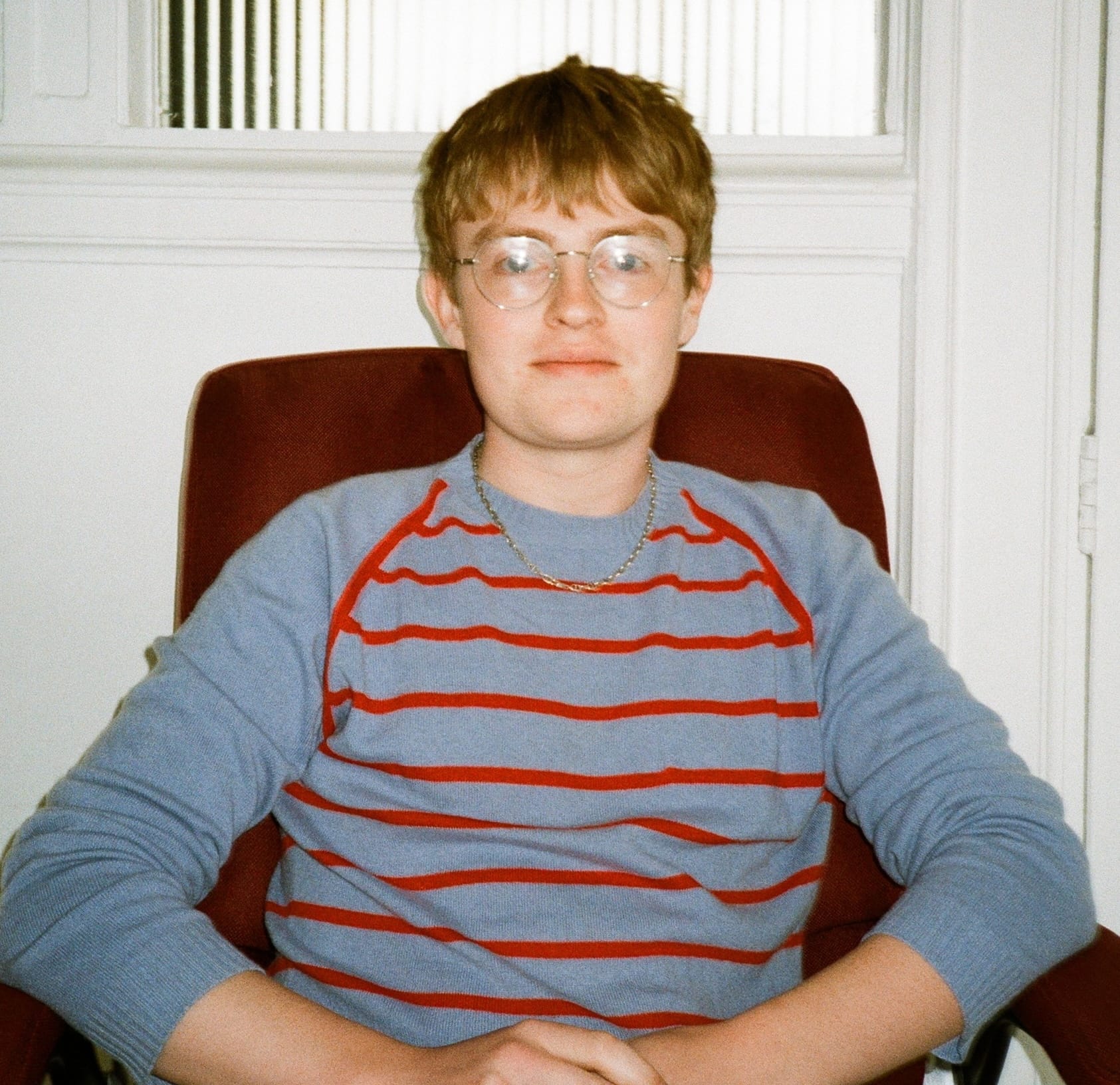
Hang on there. It’s Ethan here, the writer.
Musera’s dark secret blows open their polished veneer, and exposes the cruel foundations that many of Manchester’s fashion institutions have been built on.
Much of our work is free to read, but none of it is free to make. And, this time, we’re asking that you become a member to read on.
If you sign up for this story, you’ll also get to read our other great local culture pieces. Like the inside story of Manchester’s padel bubble, revelations about Ancoats’ Michelin star-restaurant Mana, or scenes from the turf wars tearing up the city’s tour guide scene.
This article is for paying members only
Join The Mill for full access to this story, plus four great features delivered to your inbox every week — and the knowledge that you're supporting a new model of local news that puts quality and honesty first.
From £8.95/month · cancel anytime
Get full accessAlready have an account? Sign In