
Dear readers — happy Friday, for a start. Today’s piece is a Jack Dulhanty classic: a moving portrait of a man who rose through the world of architecture to become a self-made multi-millionaire, only to find himself in homeless accommodation earlier this year. So what went wrong?
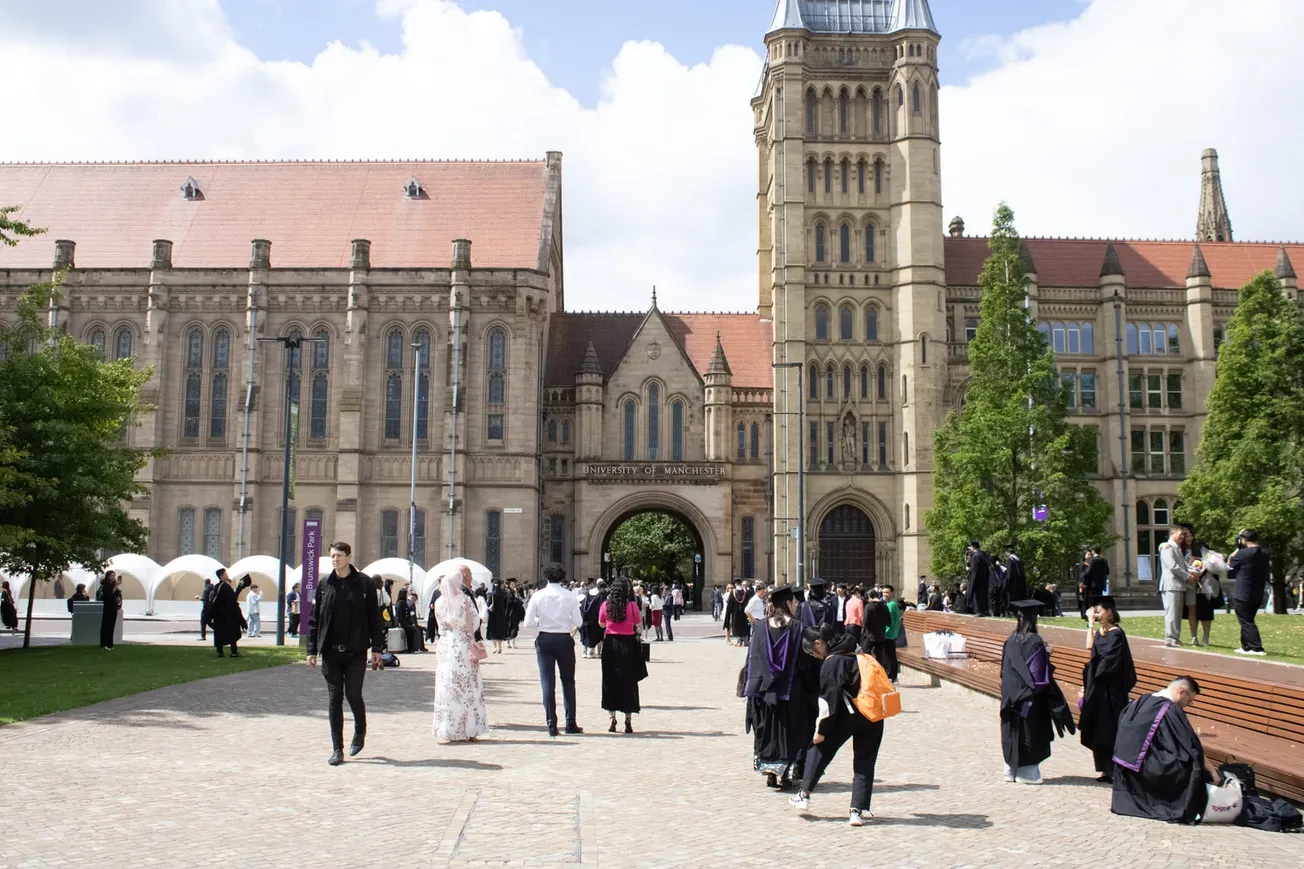
But before that, we have another update on the University of Greater Manchester.
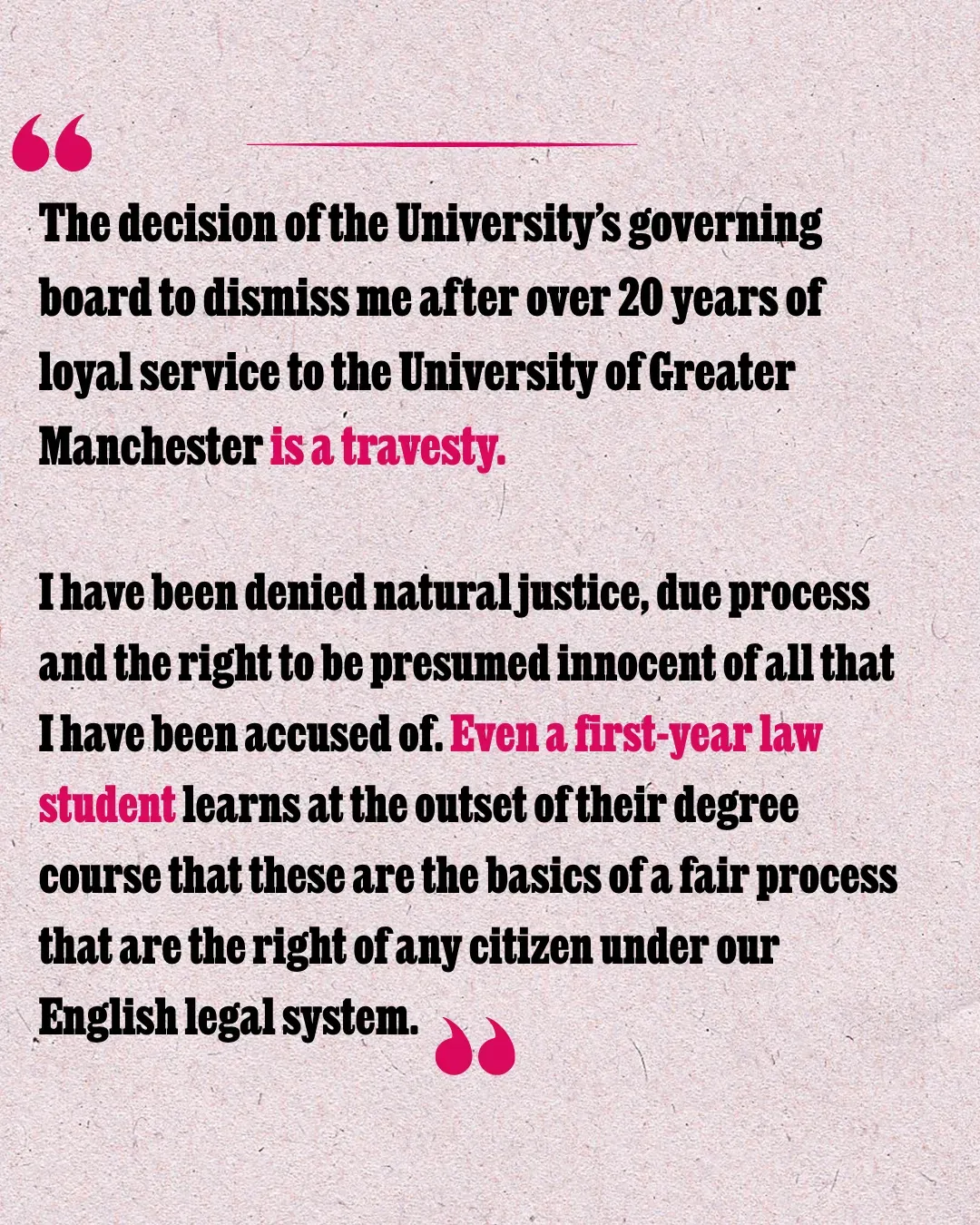
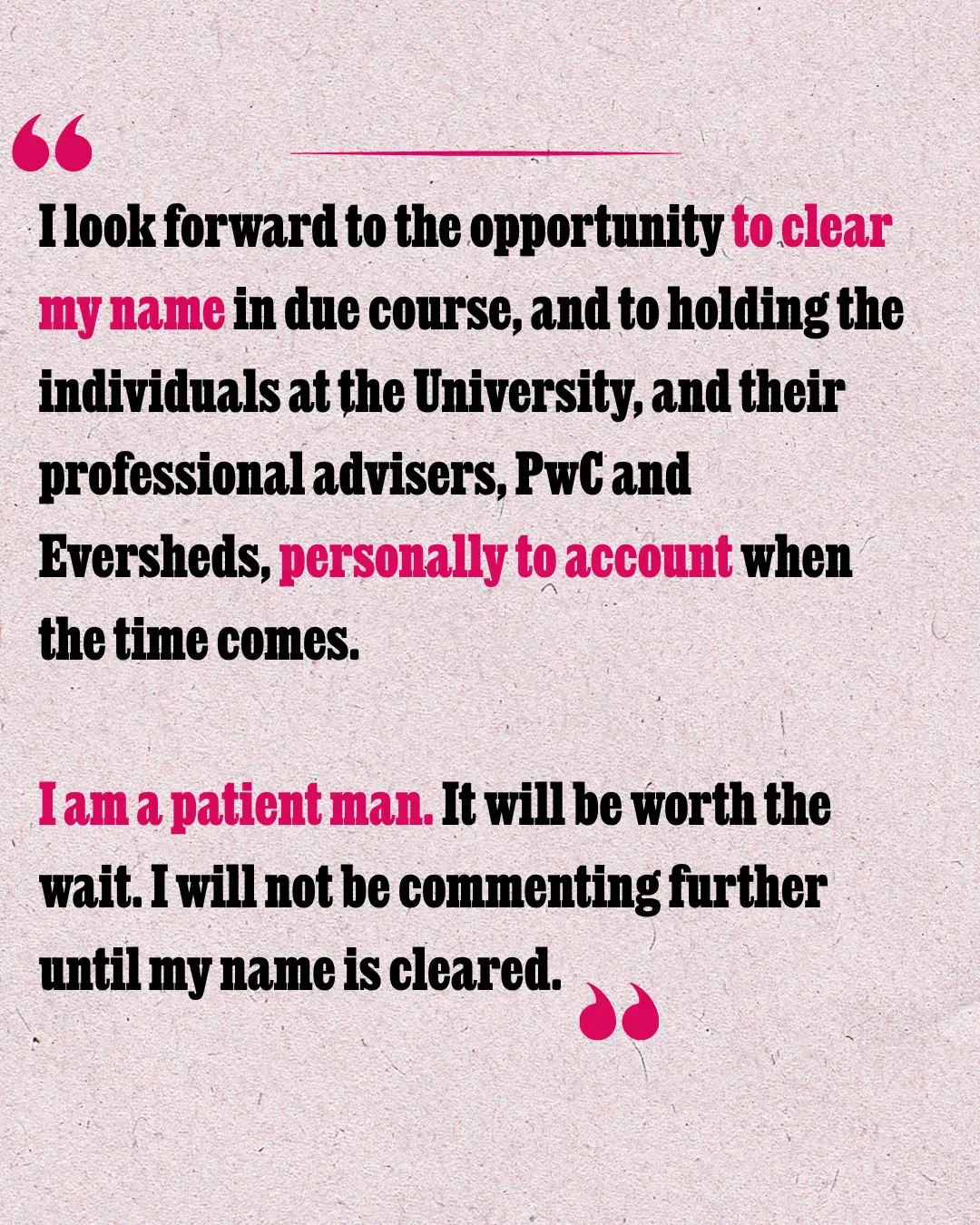
George Holmes has responded to the news that he was sacked as university’s longtime vice chancellor with a statement that his solicitor has asked us to publish in full. Here it is:
And one last thing before we get to the piece: We’re back today with the latest edition of our podcast! This time, Ophira and Lucy discuss our upcoming weekend read — the story of a tiny village near Stockport that has been brought to the brink of all-out civil war, over a music festival. One resident describes life in the village as “like living in Nazi Germany”. Listen below as the pair of them struggle to say the phrase “screaming, urinating and defecating into the bushes”. Listen wherever you get your podcasts here, or at the Spotify player below:
That’s all for now. Here’s the piece…
The architecture of a downfall
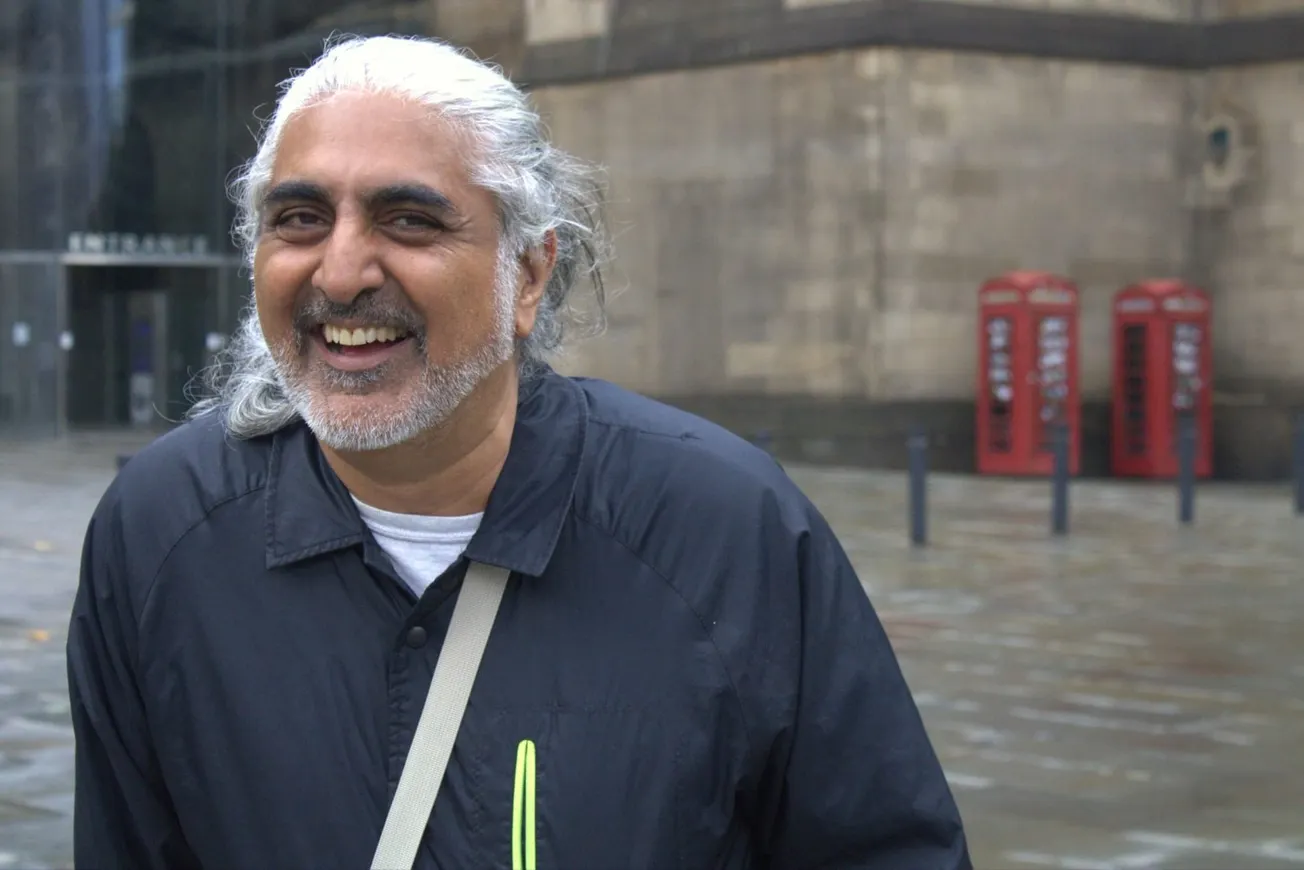
Faheem Aftab was an intelligent, wayward and restless 19-year-old when he arrived in the city in 1988 and, propelled by a desire to escape a West London sink estate, became a multi-millionaire architect, government advisor and planner. In the last 40 years he has reached dizzying heights and crushing lows. He helped design the Olympic Park in London, then was struck off as an architect. He's folded companies, lost everything, then got it all back just to lose it again. When I first met him at the start of this year he was at a low. I found him at his home in Chorlton as a kind of fallen luminary of that set of Mancunian dilettantes from the ‘80s and ‘90s, the ones who may bore you about their nights out at the Hacienda, but always know a friend of a friend who can help you with a story.
We drank black coffee in his kitchen while he scribbled notes and thoughts on the cupboards with whiteboard pens and talked about the people he had encountered over the years and the gossip and tidbits they’d let go. Aftab’s fingerprints can be found all over the city from his time running two architectural firms — ACubed and APH. He designed the halls of residence for the Royal Northern College of Music, led the renovation of Loreto College and designed the balcony extension of Dukes 92 in Castlefield. Less happily, he was struck off as an architect by the Architects Registration Board, then reinstated in 2013 when the board agreed his dismissal was a mistake, and was later struck off again for failing to come to a former employee’s ACAS meeting. He remains deregistered.
When he made me that coffee he was still trying to start working again. He was also on the wrong side of a divorce, his mental health had been severely impacted by the pandemic and he had been diagnosed with multi-connective tissue disease; a cocktail of three autoimmune disorders that has no known cure and will almost certainly kill him. Despite all of that he was a pleasure to talk to; a garrulous man approaching 60 with a handsome smile, thick grey hair and a habit of twitching his nose side to side like a rabbit. He is anxious in general but particularly anxious to be helpful. As I left his house it started raining, and he immediately rushed to find me an umbrella, telling me to keep it.
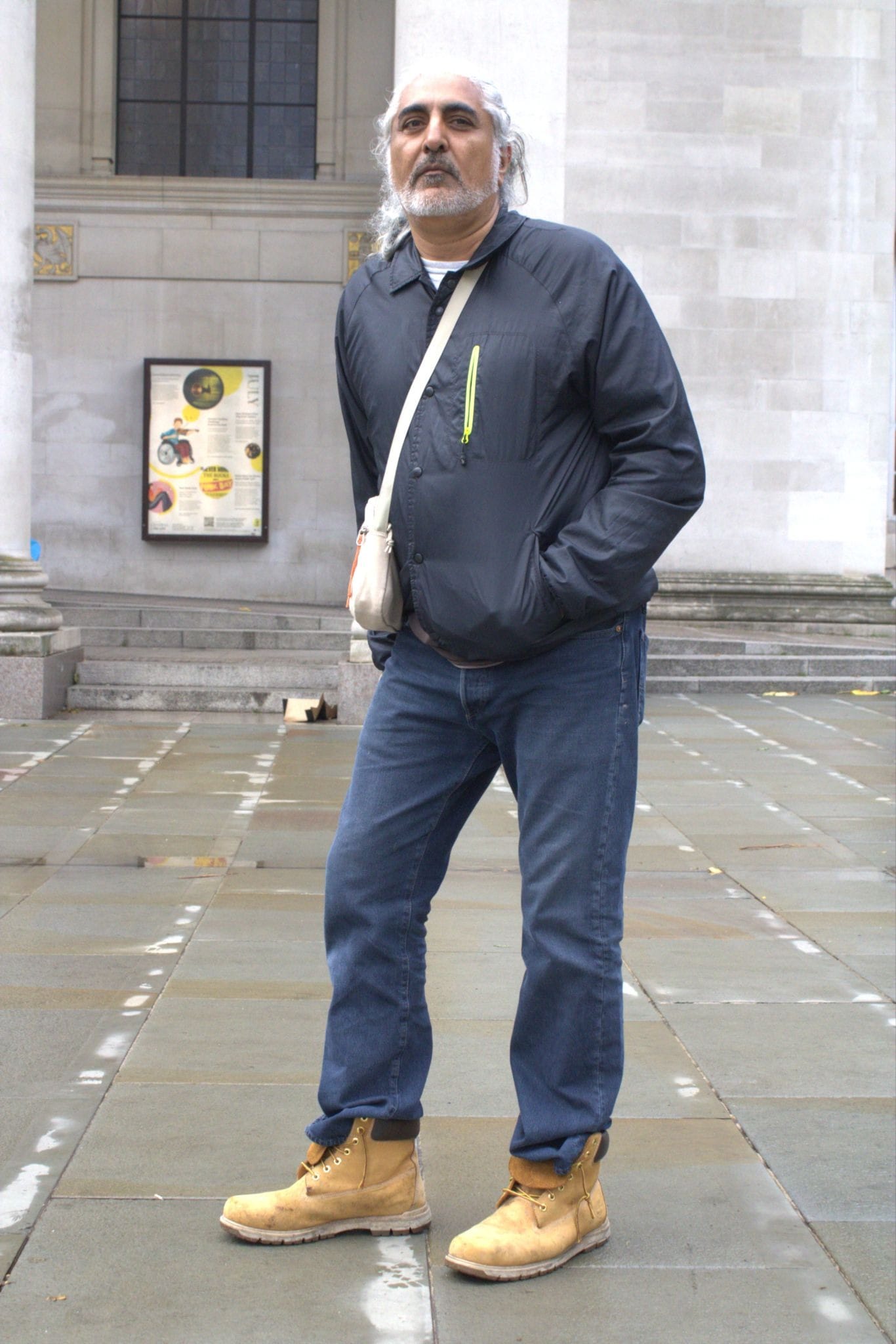
I didn’t see him again until a few weeks ago when he told me that things had taken a decided turn for the worse. Aftab, Affy to his friends, had lost the house in the divorce and, taken by the same desire to escape that brought him to Manchester in the first place, split town, living out of his car. Affy is bipolar, and had foreseen the mental breakdown and suicidal thoughts before they reached him. He went to A&E but refused to be sectioned because it could impact his chances of registering as an architect again. He called at the town hall to get help but was told the rough sleeping team could only be reached by telephone. Once he got on hold he discovered he was 17th in the queue. It took two days for him to get through and when he did the person on the other end of the line worked tirelessly to find him a place to stay that night, but then their shift ended. They called back first thing the next morning and Affy picked up.
“Go to this place in Wythenshawe.”
This story is free to read - you just need to join our mailing list. And why wouldn't you? By becoming a Mill subscriber, you'll get our scoops, features, and insights into Manchester, in your inbox, the second we hit publish. No card details required.
Already have an account? Sign In