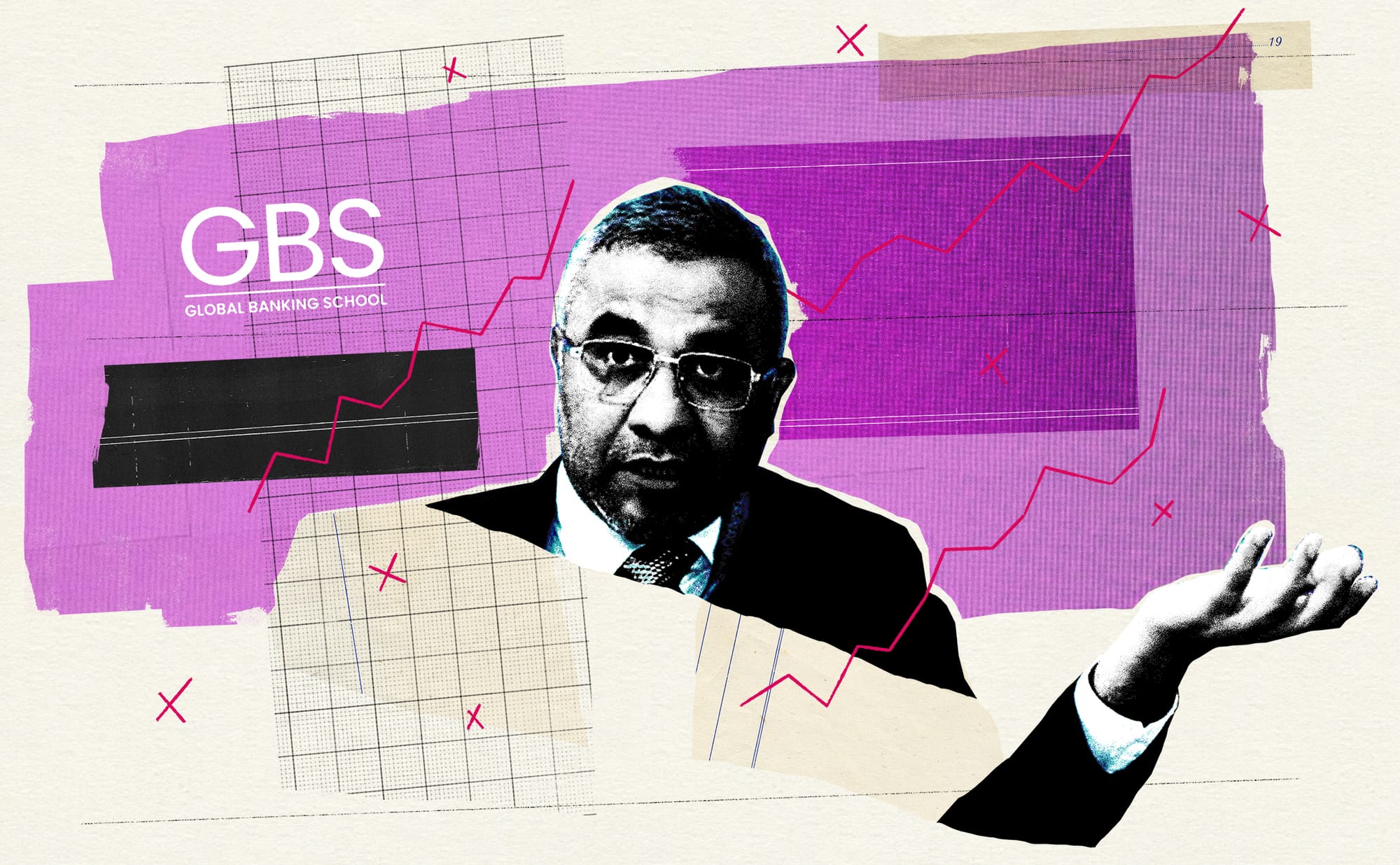
Dear readers — on the surface of things, the augustly-named Global Banking School is a rare modern success story in British higher education. While universities across the country struggle to balance their books, it's boom-time at GBS: the school has seen its revenues grow from £4 million to £233 million in five years, an increase of over 5000%.
At its Manchester campus in Ardwick, where more than 1,000 students study, GBS promises a “top-quality learning experience”. Whatever they’re doing appears to be working: earlier this year expansion plans were announced with the size of the college based in the city set to double. But is everything as it seems?
GBS is a key player in a growing sector: ‘franchised’ higher education providers who run courses on behalf of traditional universities, but with much lower entry requirements. Over the past couple of weeks, The Mill has been talking to staff and former staff at GBS about how the school has been able to achieve such remarkable growth.
That’s the topic of today’s story. In response to a series of questions from The Mill, GBS told us it “rejects entirely the premise of your proposed article; GBS is a well run and reputable higher education provider which operates in a fully regulated way in accordance with the norms of the sector; to suggest otherwise would be misleading, untrue and harmful to our students”.
They also pointed to the fact they have a “widening participation mission” with many students who balance their studies with work and caring opportunities, with course delivery designed around student needs, as well as the fact many of their students come from communities in areas of deprivation. “To meet their needs we ensure that they all follow a rigorous admissions process that allows us to identify potential and motivation before being admitted to a year long foundation programme designed to prepare them for the rigour of Higher Education,” they said.
This year The Mill has led the way in its reporting on higher education in Greater Manchester. Mollie's series of stories about the University of Greater Manchester, leading to a police investigation, has already become one of the most impactful reporting projects we have worked on.
Today's story, about the Global Banking School, and the potential issues with universities 'franchising' their courses, tells another important story about an area which doesn't get the coverage it should. It's paywalled halfway down, because this type of reporting isn't cheap to carry out, but we hope you'll support us by signing up today.
By becoming a Mill member, not only will you be joining our community and getting lots of extra members-only editions, you will also be helping us to produce important free-to-read journalism for people who can’t afford it. Just click that button below to join with a 40% discount for your first few months (or click here to join as an annual member or super supporter).
Join the savers keeping their money local
South Manchester Credit Union has been supporting savers and providing loans for 25 years. Their work allows anyone living or working in South & Central Manchester to build a sustainable savings habit and borrow without getting ripped off. They've recently celebrated a total of £30m of lending, as people realise the benefits of safe and responsible financial services which empower people in the local community.
Find out more about their impactful savings and affordable loans by clicking below.
Your weekend to-do list
🍲 Ophira returned from lunch yesterday raving about the possible hardest sell of the century: hot soup and stew out of a van in the car park of Urban Exchange, Ancoats. We know it sounds ridiculous, but listen, they’re doing braised pork and hominy stew, topped with chorizo and crackling, and if you don’t fancy hanging out in the car park you can take it to the marina in about a minute's walk.
🥧 Maisy, our operations manager, has this to say: “If I was free this weekend I would bajillion percent be going to Platt Fields Market Garden for the pie contest.” Check out the Harvest Fest schedule here.
🎥 And an early favourite for the Best Picture Oscar arrives at Home Cinema on Friday evening. If you’re off to see Paul Thomas Anderson’s One Battle After Another, starring Leonardo DiCaprio, do say hi to Jack, and share your popcorn…
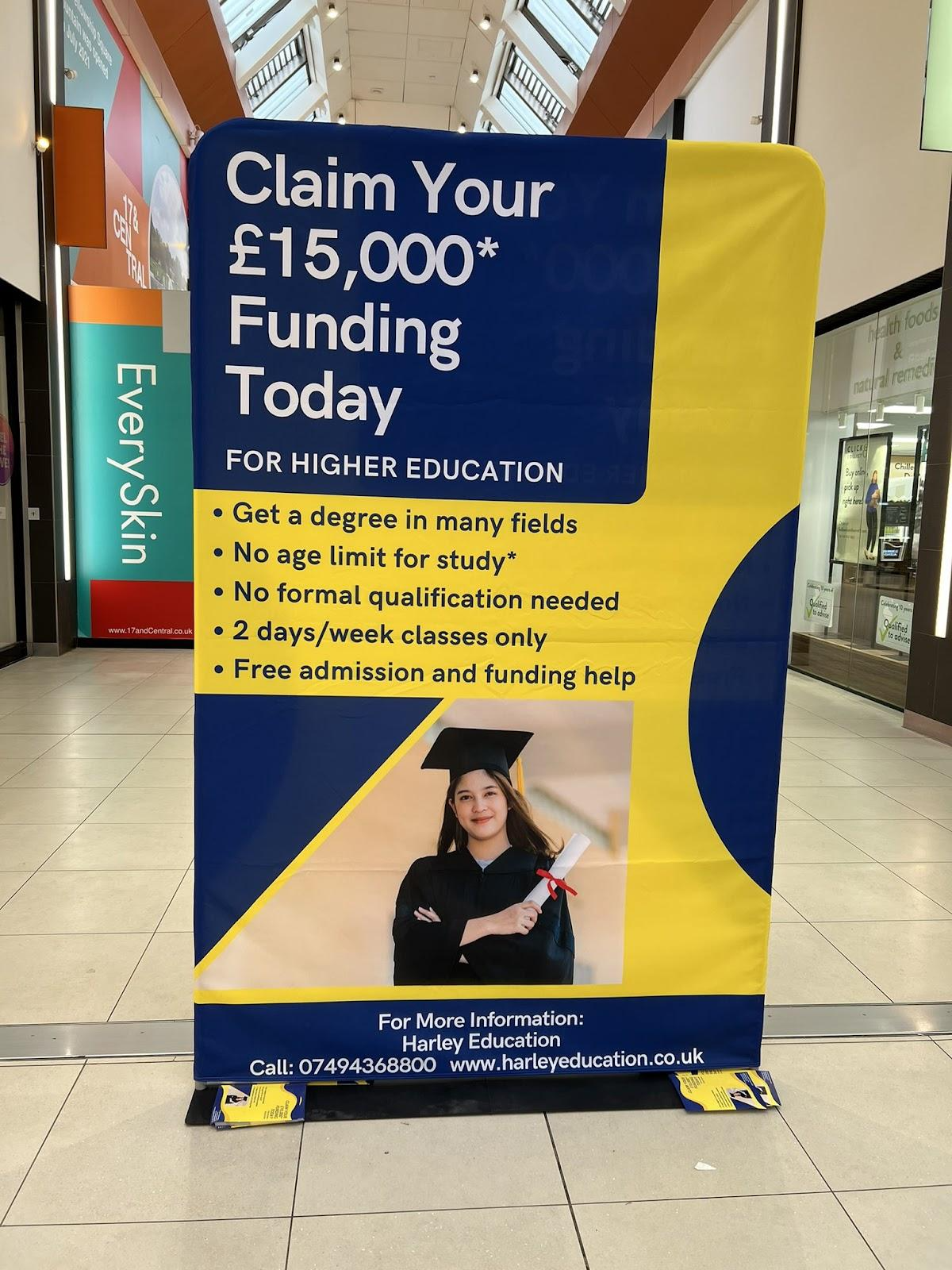
Jim Dickinson first came across the Global Banking School in a shopping centre in Walthamstow, when he chanced upon a pull-up banner with the words: “Claim your £15,000 funding today for higher education”. It seemed like a pretty good offer: the possibility of a degree in “many fields”, “no age limit for study” and “free admission and funding help”.
At the bottom of the banner was a link to the website of Harley Education, which, despite the name, is actually a marketing company. Their website advertises eight courses, including one in "Budiness [sic] and Tourism management”.
Intrigued, Dickinson filled in a quick form on the website to check his eligibility for the course — good news, he was eligible. Then, nothing happened, until a few months later when a stranger popped up on WhatsApp inviting him to an interview at the Global Banking School. It turned out the courses Harley was advertising were actually the courses at GBS, which has 10 campuses around the UK, including in Manchester.
He was sent an admissions form, and, more helpfully still, the contact informed him exactly what questions he’d be asked ahead of time, with a quick guide as to how he ought to answer the questions. For example, if the interviewer was to ask if he’d looked at the contents of his prospective course, he was to answer: “Yes, I have gone through all course contents”.
For an institution with a name as august as the Global Banking School, the admissions process seemed pretty lax. Not that Dickinson was shocked, given that he isn’t really a budding student with a keen interest in ‘Budiness and Tourism Management’, but rather a journalist for Wonkhe, an online news site which has done considerable research on franchising in higher education. The Global Banking School is one of the key players.
Here’s how it works: an established university “franchises” out courses in its name to colleges like GBS. (GBS works with six partners, including Bath Spa and Oxford Brookes). In practice, these pillars of learning often do little beyond signing off the curriculum, but the deal works out well for them: in exchange for bestowing their institutional credibility, they pocket 25% of the student fees. GBS takes about 50%, and the remaining quarter goes to companies like Harley Education, who sign the students up in the first place.
This arrangement works well for everyone involved. The university gets extra revenue for not doing a great deal, and can access fees from students who would never qualify to study directly with them. And for GBS, it’s been a serious financial boon.
For much of its life, GBS was a relatively small company, only becoming large enough to even have to report employee numbers in 2016. But it has since exploded in size. Between February 2019 and February 2024 revenue grew from £4 million to £233 million, an increase of over 5,000%. Last year it made £47m in net profit and paid out £23m in dividends to its owners, including its ex-banker founder, Dr Vishwajeet Rana, who now lives in the UAE. Having come from nowhere, it is now one of largest providers of undergraduate education in the country, with over 35,000 students. GBS now even has a college in Dubai, where “passionate environmentalist” Stanley Johnson (that’s Boris Johnson’s dad) sits on its advisory board.
But what of the students? This is the rub, and the reason franchised providers have become more and more controversial.
You can help make great journalism happen.
At The Mill, we believe Manchester deserves high-quality journalism. By signing up as a member, you don’t just get the rest of this story — you get four great features delivered to your inbox every week, and the knowledge that you’re supporting a new model of local news, that puts quality and honesty first.
SubscribeAlready have an account? Sign In