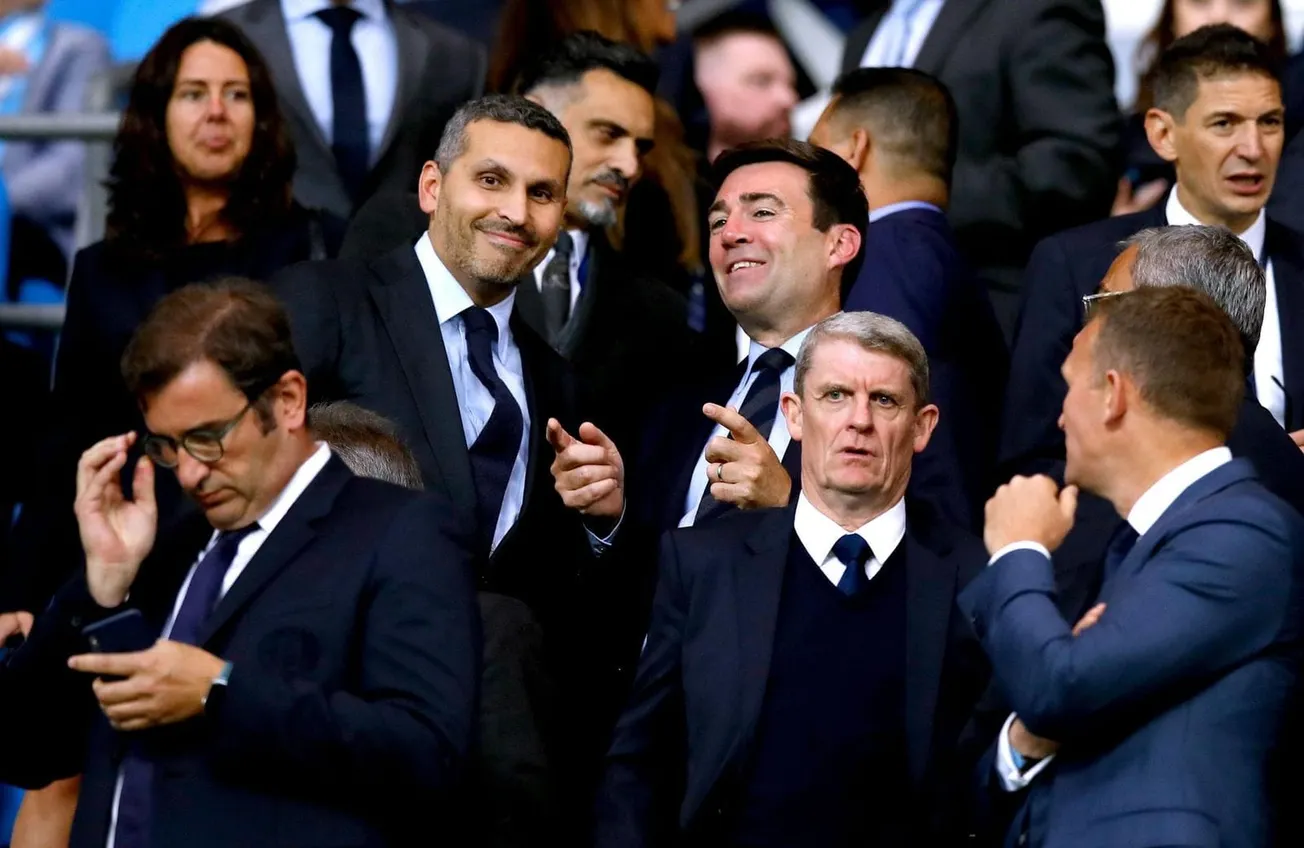


Three days into his premiership, newly incumbent PM Andy Burnham was standing behind the bar at the Hare Inn in Harlow, Essex, pulling a pint for his appointed chancellor John Healey. Later that day, the pair filmed a jovial video in which they ranked pub snacks (poorly, I must add – justice for Scampi Fries).
These not so serious acts were tied to the very serious announcement that the government would be slashing business rates for pubs, social clubs, and live music venues by 20% — saving the average pub around £1100 a year. While not stretching to other beleaguered hospitality businesses including restaurants and hotels, it was a small, yet much-needed bit of relief for thousands of operators. The Campaign for Real Ale (CAMRA) – which had been lobbying for said relief for several years – chalked it up as a win, with chair Ash Corbett-Collins calling it a “promising step”.
Pubs, and his support of them, has frequently been part of Burnham’s rhetoric. When he won his seat in the Makerfield by election, he told Channel 4 News that the first thing he was going to do was “go and have a pint.” Selecting the Hare Inn as his boozer of choice following the business rates announcement felt oddly specific; a pub owned by generational family brewer, McMullen’s (Greater Manchester, by the way, is uniquely home to four such independent family brewers: Joseph Holt, Hydes, Robinsons and J. W. Lees.)
It’s also a bit of a brag on my part, but while mayor, Burnham wrote the foreword to the first edition of my book, Manchester’s Best Beer, Pubs and Bars. Within it he made specific references to Salford’s grade II listed Eagle Inn, a retro pub that’s also a music venue (better known to regulars as the Lamp Oil), and Track Brewing, a modern, spacious taproom that’s immensely popular with the city’s upwardly mobile residents.
Yes, Andy Burnham loves pubs of all shapes and sizes, and he wants to make sure you all know it. If his idea of ‘Manchesterism’ means anything, it seems to mean that a thriving hospitality industry and a population that can afford to use it is key in terms of achieving a stable economy.
Further protections for pubs came earlier this month, when reappointed housing secretary Angela Rayner announced changes to planning law that would prevent pubs from being converted into housing or offices. Figures from CAMRA state that 796 pubs have closed in 2026 so far (with 82 of those being due to demolition, or change of use). But do his government’s new policies go far enough, and how, indeed, will they affect us here in Manchester?
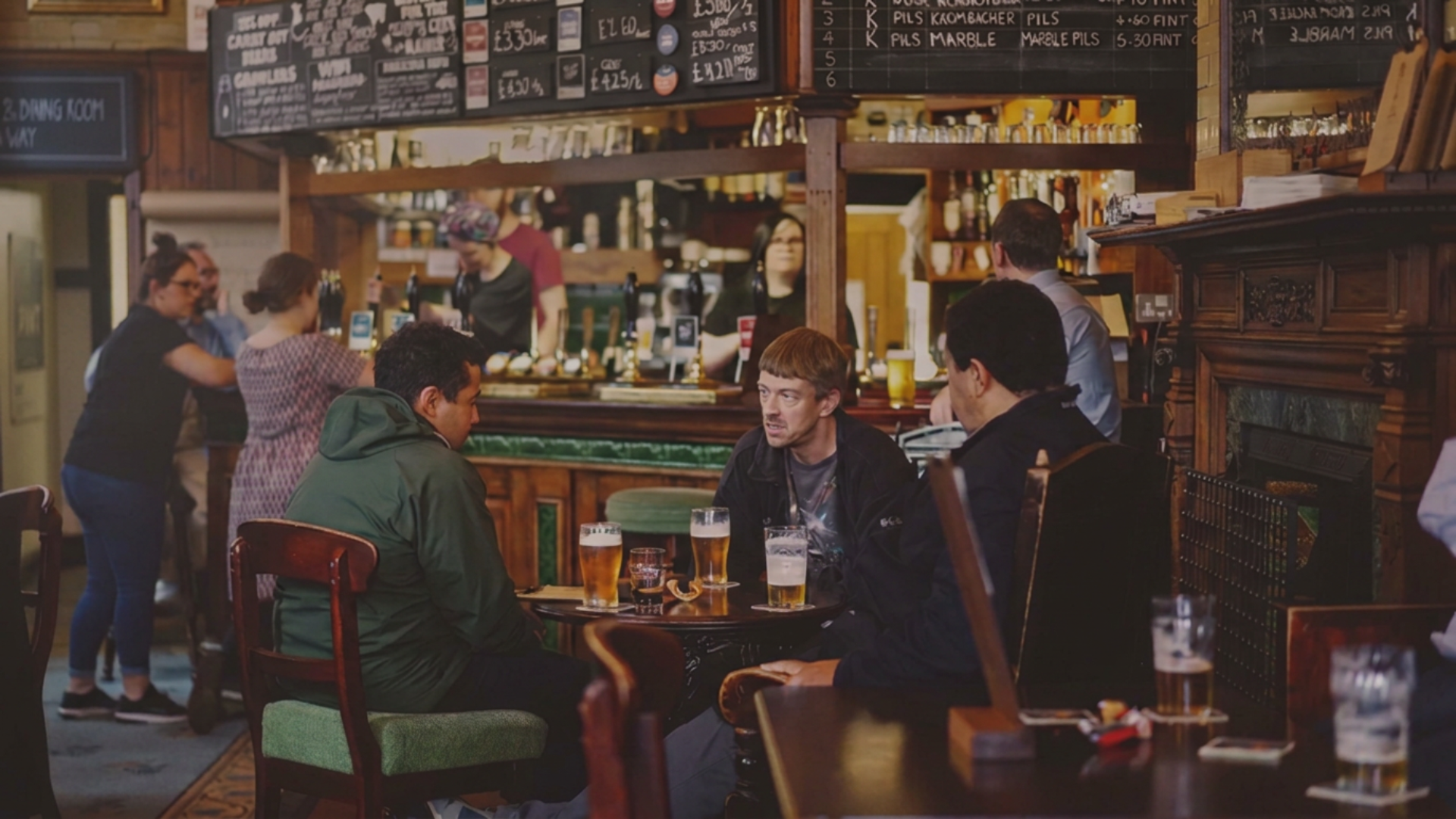
“For too long, governments have stood by while cherished venues have disappeared from our high streets,” says Labour MP for Stockport Navendu Mishra, who has often been an advocate for pubs himself, having addressed parliament about the subject on a few occasions. Most recently, I met him in Stockport’s Crown Inn, where he nursed half a cider, while I tucked into a pint of Bass.
“The planned reforms to business rates will provide practical support that helps businesses invest, create jobs and continue serving their communities.” Mishra tells me. “The government has made clear this is part of a wider plan to support businesses, strengthen high streets and deliver economic growth.”
Despite often feeling buoyant, especially within the city centre, Manchester’s hospitality scene has felt its share of woes over the last few years. Of the 185 pubs that featured in the first edition of my guide, 20 have either closed down or changed use in the past three years. Perhaps the most upsetting of these closures was that of the Royal Oak, on Oldham’s Union Street. Having served the local community for close to 200 years, its closure felt like another kick in the teeth to a community which hasn’t benefited from the same economic fortunes as other areas within Greater Manchester. Currently the grade II listed property – which has been vacant since November 2023 – is on the market for £450,000.
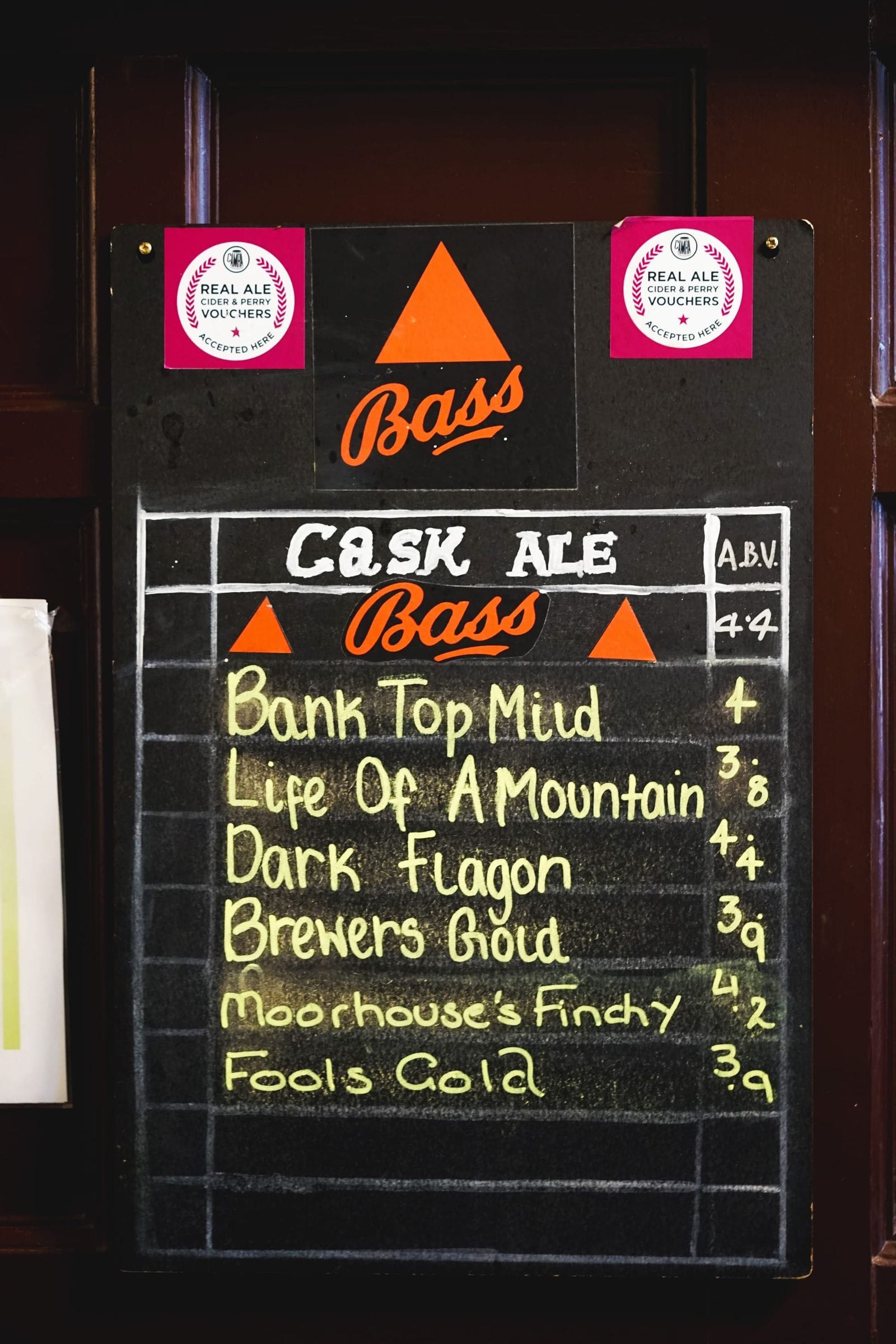
Perhaps the Royal Oak could do with finding a patron like John Brearley. In 2018 he acquired Wigan’s Swan and Railway Hotel, before undertaking a lovingly sympathetic refurbishment, winning it a CAMRA pub design award in 2021. The Swan is one of Greater Manchester’s true gems – featuring beautifully restored heritage appointments and excellent beer from local breweries – and is perhaps a leading example of what could be achieved under Rayner’s new policy. But, as Brearley explains, there’s more to protecting pubs than policy.
“I think [the new policy] is a good thing, but all it really does is buy extra breathing room,” Brearley says. “The government cannot force economic viability onto a pub that’s not economically viable.”
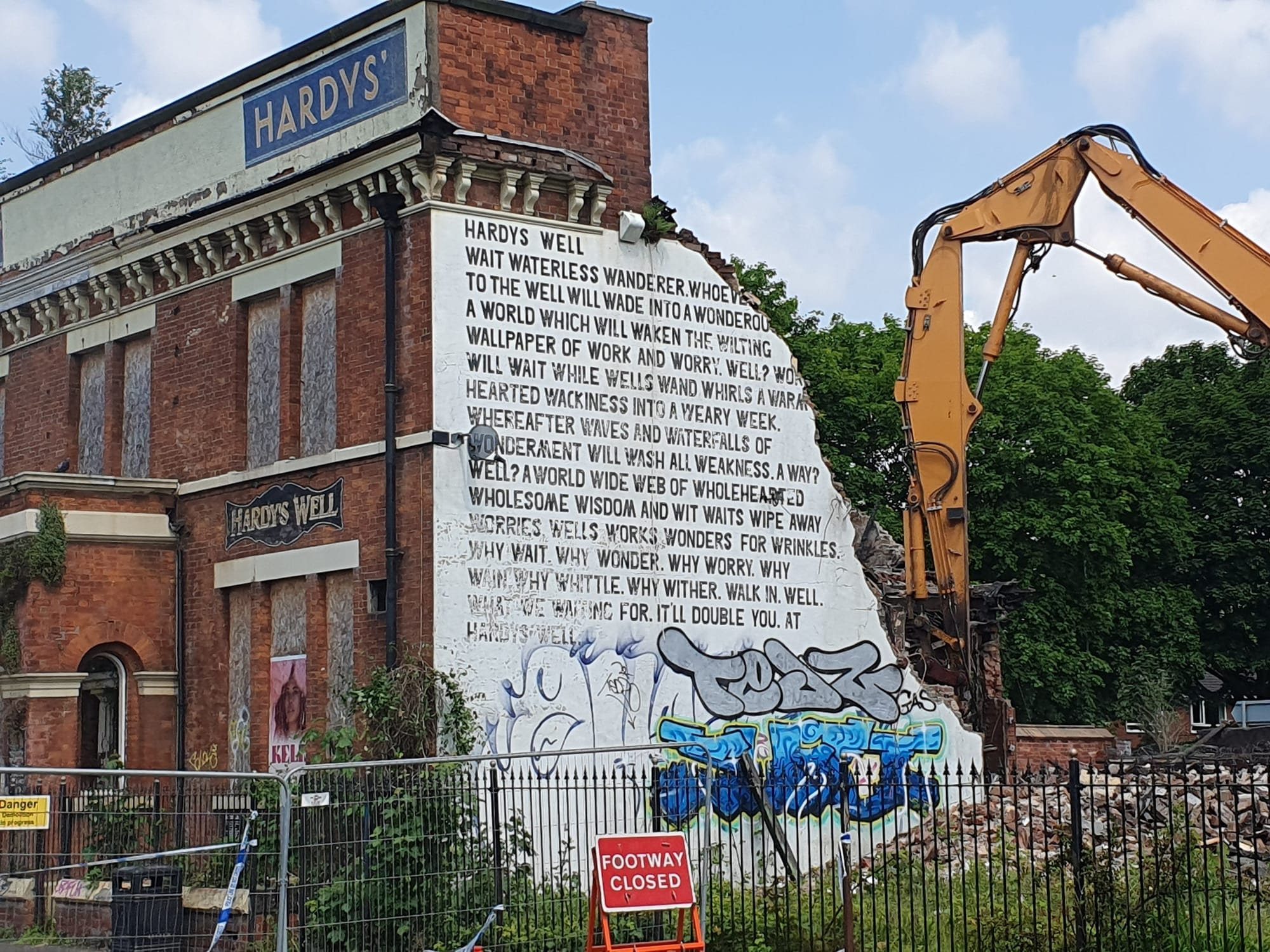
In addition to change of use, Rayner’s proposals also seek to prevent pubs from demolition, which, in 2023, was the fate that befell Rusholme’s Hardy’s Well. As reported on at the time by The Mill, the pub on Wilmslow Road – another two century old listed building – had been the subject of planning proposals since 2019, and was demolished following a fire. The site formerly occupied by the pub, which for 30 years featured a mural of a poem by Lemn Sissay on its south-facing wall, suffered the ignominy of being turned into a car park.
“There should be really strong protection against any change of use — including demolition,” says CAMRA chief executive Tom Stainer. “Too often pubs are run down deliberately, people find loopholes in planning or people just knock it down.”
Stainer points out, however, that pub demolitions are still technically classed as “unlawful” and not “illegal” meaning such actions don’t automatically carry a criminal penalty. It’s as yet unclear as to whether the new policy will seek to change this, or effectively just add more red tape, allowing those seeking to block any potential change of use to kick things further down the curb. It’s good news for people who want to protect pubs, but it remains to be seen if it’s also good for the economy.
John Brearley, at least, welcomes the reduction in business rates (“never look a gift horse in the mouth”) and is optimistic that more relief for the hospitality industry-at-large is on its way. Presently, said industry is lobbying for VAT to be cut to 10%, in a wide-reaching campaign spearheaded by celebrity chef Tom Kerridge.
“It’s been a good start, [Burnham] seems to get it, he’s saying the right things,” CAMRA's Tom Stainer tells me. “We’ve long called for a business rates reform but not just a sticking plaster approach. They’ve said they’re going to do a full business rate review—for example warehouses and gambling companies are paying tiny business rates compared to pubs.”
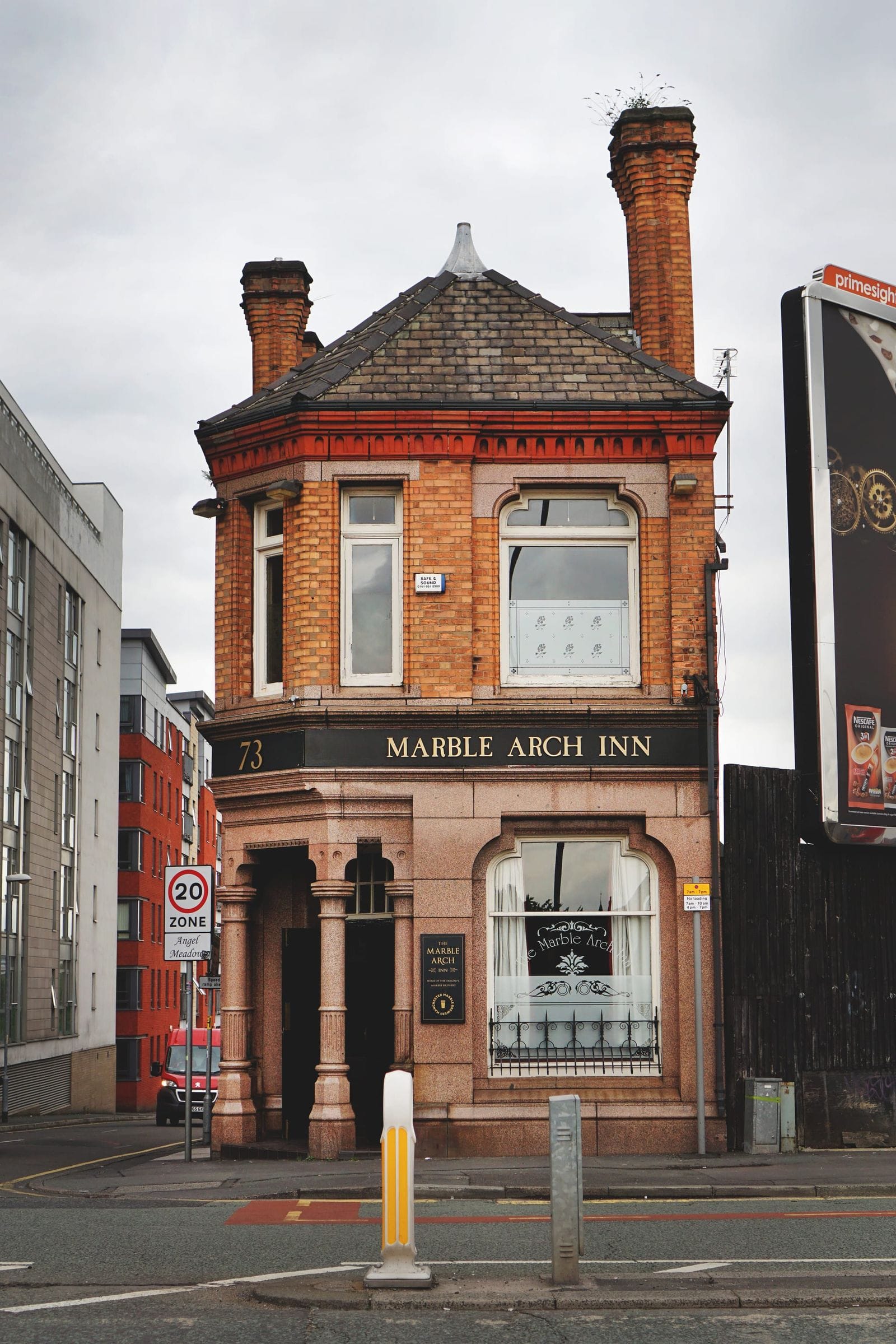
One thing that is difficult to argue against is, despite the challenging economic backdrop, Manchester’s pub scene flourished while Andy Burnham was its mayor. You only need to sit on Stevenson Square, or stroll along Deansgate for a few minutes on any given afternoon to get a sense of this. Most recently the iconic Peveril of the Peak was even named the “best pub in the country” by Timeout, (this writer doesn’t even think it’s the best pub in Manchester, but we’ll take the win), and people continue to flock to the city in their droves to experience it, and more pubs just like it. If the PM loves pubs, then that can only really be a positive. It remains to be seen if the reliefs announced so far will be extended in a way that makes their impact truly meaningful, both for us here in Manchester, and, indeed, the rest of the country.
“Further measures will be considered as that work progresses,” Navendu Mishra tells me. “I have long supported calls for a VAT reduction for pubs and hospitality businesses, and I would like to see this proposal given serious consideration, given the pressures many venues continue to face.”
If someone forwarded you this newsletter, click here to sign up to get quality local journalism in your inbox.