

Dear readers — today’s story is by expert health reporter Lawrence Dunhill, who we have commissioned alongside our sister papers in Liverpool and Sheffield. He has broken down the hidden lay-offs and cuts being made to the NHS across the North West as the service tries to reform its backroom operations, and spoke to the staff deemed no longer useful.
But before that we have today’s briefing, including the results from an unusual council by-election in Salford and a worrying investigation into clergy misconduct in Australia that could have implications for the diocese of Manchester.
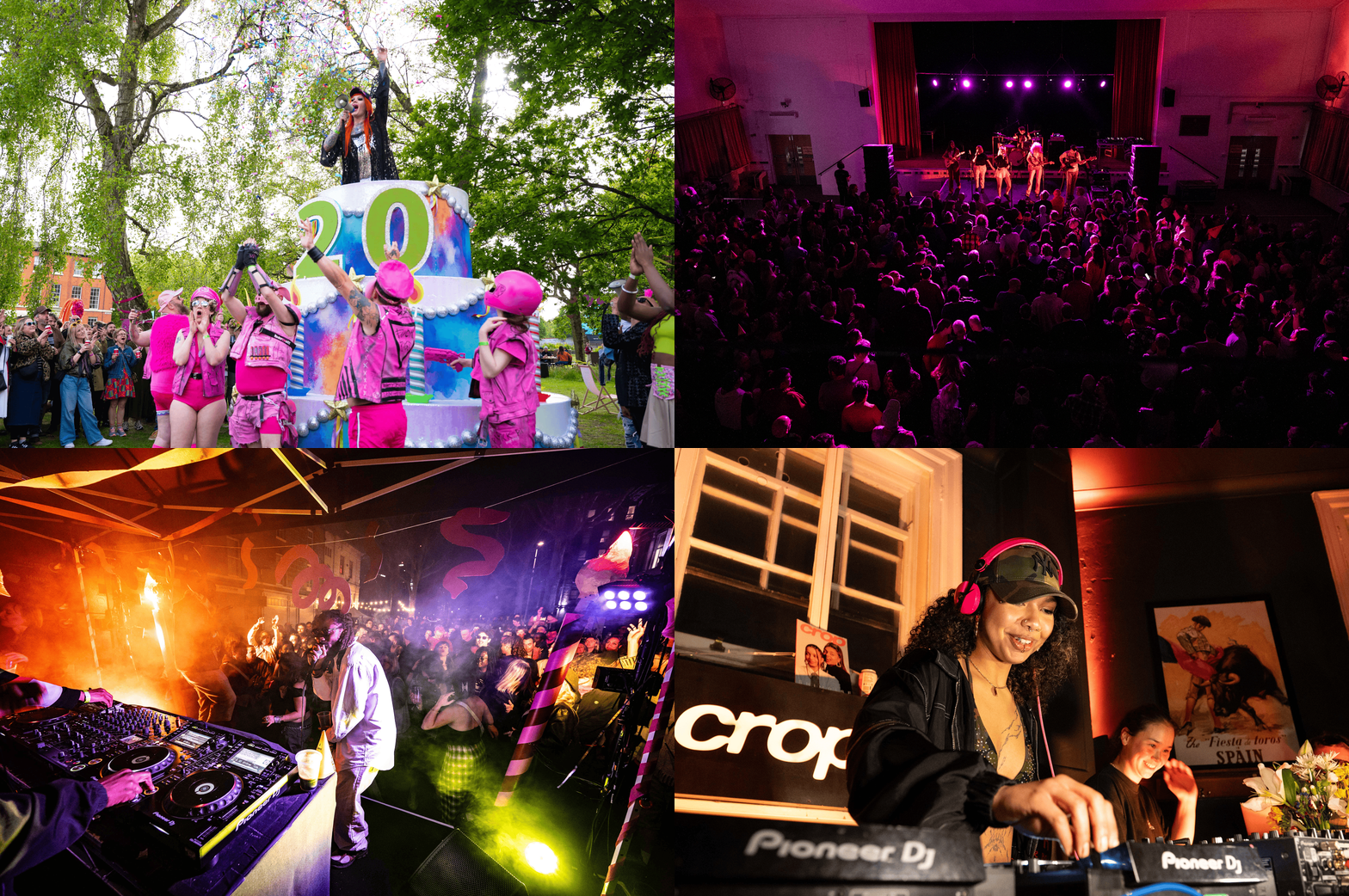
Don’t forget about the other city this festival season
A day-to-night party, seventeen venues across the city and over 100 acts – Sounds From the Other City returns this May for another stellar year. From Salford Art Gallery and Museum to The White Hotel, Sounds is a festival like no other. For one jam-packed day, it takes over the city and invites you in, celebrating all that's new in the music and arts scene. Taking place over the early May bank holiday weekend, SFTOC is unofficially the first festival of the summer.
For final release tickets (including limited group discounts), line up info and more, click below.
🗳️ Reform gained its first councillor in Salford yesterday, after residents of Barton and Winton headed to the polls for an early council by-election. Michael Felse won with 676 votes, Labour candidate Catherine Goodyer came second with 643, while Jack Groom from the Greens received 363. The by-election was called after Labour’s David Lancaster, England’s longest-serving councillor, died in February. Reform’s gain will trouble Labour ahead of the local elections in just two weeks, with Goodyer telling The Mill yesterday that the by-election felt like a “litmus test before 7th May”.
The decision to have the by-election just a few weeks before the locals drew criticism. Normally, when a seat becomes vacant within six months of a local election, voting is held off until then. But Lewis Croden, a Reform candidate for Little Hulton – along with a relative — used an obscure rule to call for an earlier election. If two electors make the request, the local authority must comply within 35 days. Luke Savage, a Labour organiser in Salford, said Croden's request was made “opportunistically to undermine turnout” (turnout was 17.82%) and was “not in the spirit of democracy”. Croden didn’t respond to our request for comment, but told the MEN: “Salford has been taken for granted by Labour for years,” adding that public money is being “wasted". Yesterday’s by-election is thought to have costed the taxpayer £20,000.
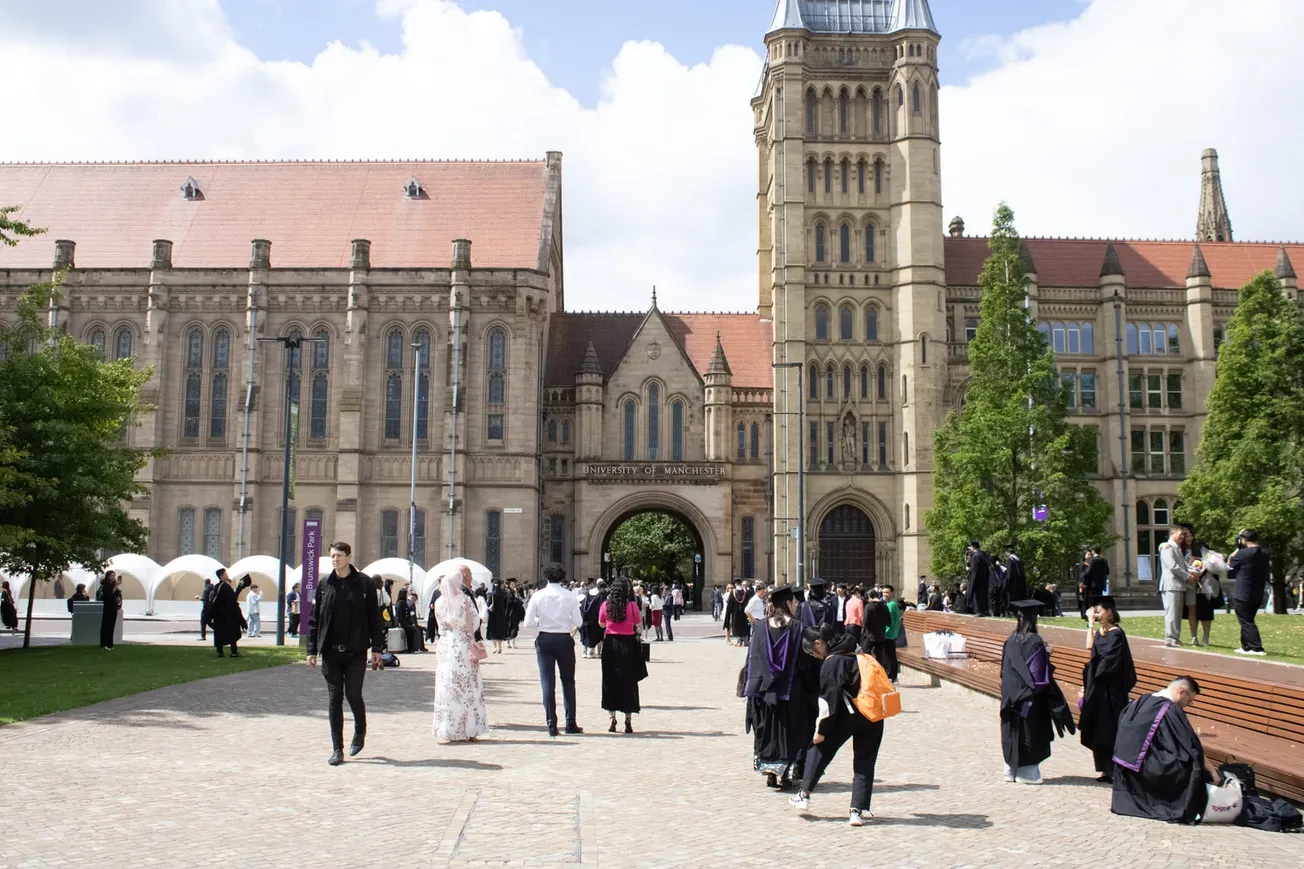
🎤 On the topic of elections, next month Mill staff writer Jack D will be joining Rob Ford, professor of political science at The University of Manchester, to discuss his latest book, The British General Election of 2024. We’ll be asking whether we’re moving towards the end of two party politics following the Greens’ win in Gorton and Denton, and discussing the outcome of the local elections, which will have taken place the week prior. It’s on 14 May and is free to attend — you can reserve a spot here.
⛪ An investigation commissioned by the Anglican Church of Southern Queensland, Australia, has found that Kesh Rico Govan, a priest from Bolton, groomed and sexually abused multiple girls in the UK. Govan was the Team Vicar in the Walkden and Little Hulton Team Ministry between 2000 and 2004, and also worked as a priest in Ireland and Staffordshire before emigrating to Australia in 2014. He died by suicide in November 2025, and the Anglican Church initiated the probe in January this year. According to the Newcastle Herald, it found historic evidence that Govan “groomed and sexually abused multiple female children within one youth group while living in the United Kingdom”. The Mill contacted the bishop of Manchester, David Walker, about the investigation’s findings. In response, he shared a statement from the Diocese of Manchester addressing the “deeply distressing” news and encouraging anyone affected to contact their team.
🎂 Bud, an independent garden centre in Burnage, is celebrating its 15th birthday this Sunday. From 12:30pm till 2pm there will be a charity raffle, games, birthday cake from Long Boi’s Bakehouse, coffee from B’spoke, and a folk performance with singer Joy Becker and cellist Amy Joller.
On 8 January, NHS staff in South Yorkshire woke to find the article on the frontpage of a healthcare magazine: their chief executive had left his role with £300,000 in exit payments. Within minutes, colleagues were furiously forwarding links and screenshots, with union officials called in to demand explanations.
The staff — managers and administrators who oversee the local NHS system — had spent the last year in a state of anxious uncertainty, struggling to get answers about whether their jobs were being axed, and what kind of redundancy pay would be available. So the news about their recently departed boss felt like a final insult: “This just felt like a massive injustice”, said one source close to the redundancy process. “It was one rule for the bosses and another for the staff. People were absolutely livid.”
It was just the latest grievance in what’s been a drawn out decimation of local NHS teams, as the government attempts to transform how the health service is managed. I’ve reported on numerous NHS reorganisations over the last decade, for the Health Service Journal and others, but have spent the last two weeks trying to understand why these latest reforms have caused so much anger across South Yorkshire, Greater Manchester and Cheshire & Mersey, and what they could mean for how our hospitals and clinics are run.
I wanted to understand what has gone on inside the NHS bureaucracy across the three areas. Facing huge cuts to their numbers, an indifferent public, and a health secretary who doesn’t seem to believe they offer very much, the staff working in these largely anonymous but hugely significant organisations are trying to keep Britain’s healthcare system afloat. Soon, hundreds of them will be gone.
‘Unnecessary bureaucracy’
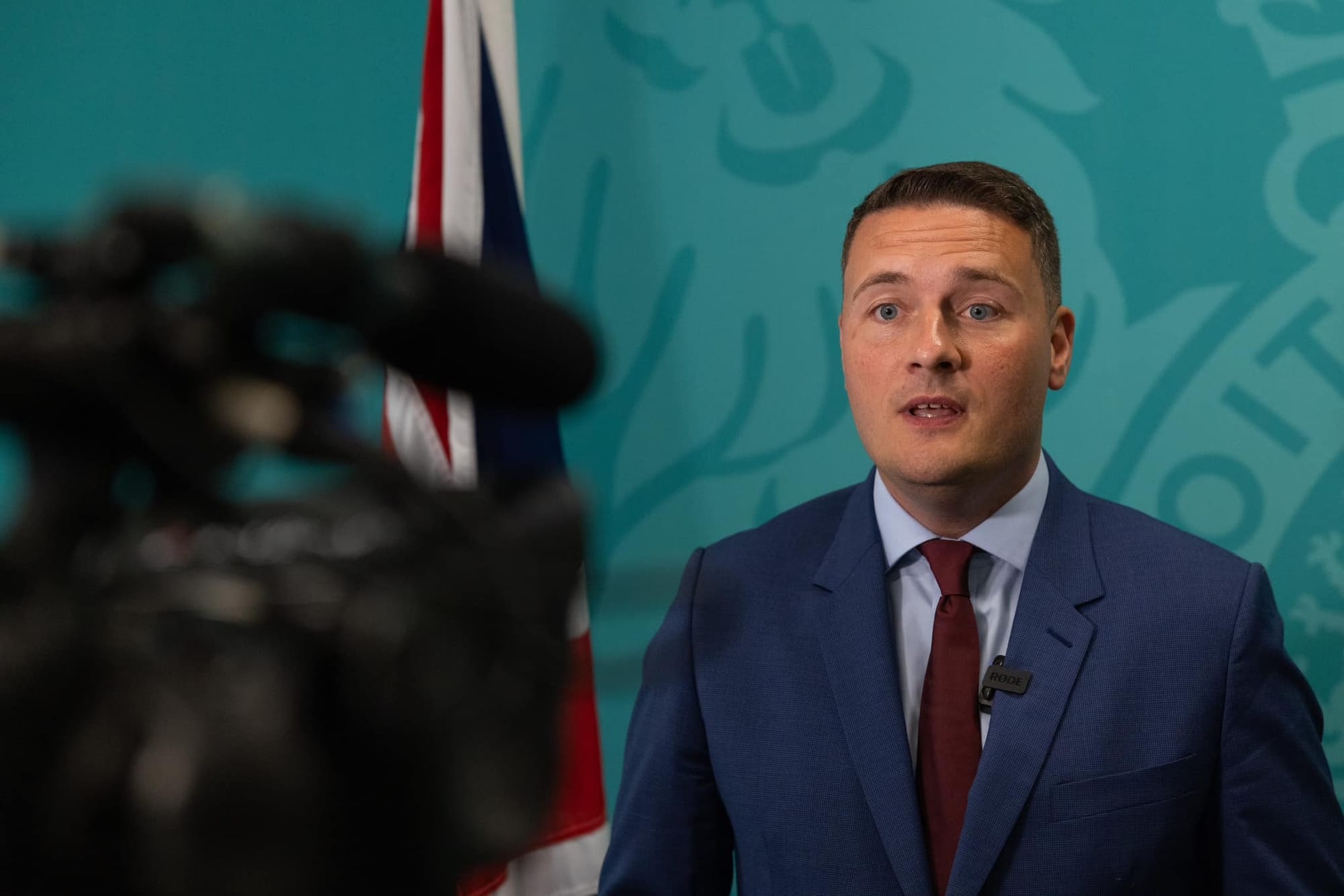
To understand how staff ended up in this place — one where, as one employee told me, they felt “demoralised” and “lied to” — we have to go back to March last year, when health secretary Wes Streeting announced sweeping budget cuts to the NHS bodies that plan and oversee local health services, known as integrated care boards (ICBs).
The ICBs in South Yorkshire, Greater Manchester, and Cheshire and Mersey would have to cut their costs by between 30–50%, Streeting said, equating to more than 1,000 jobs across the three areas.
Streeting framed this as slashing “unnecessary bureaucracy” while protecting frontline patient services. These are the type of job losses that patients won’t necessarily notice straight away, as these staff are behind the scenes, spending most of their time figuring out how to make services better in the future. That makes them a safer option for ministers to target, as the downsides won’t be felt immediately. But beyond the headlines, there was little clarity about what the new, slimmed-down organisations were supposed to look like.
ICBs had only been formally established in 2022, themselves a concentrated version of the old Clinical Commissioning Groups, of which there was a far greater number. They took over all the old CCG roles, from managing contracts with hospitals to preventing people from becoming ill in the first place, but were also tasked with getting different parts of the local NHS to work better with each other.
Yet as the cuts were announced, there was no detailed blueprint from Whitehall to set out which of these functions should be scaled back, transferred, or simply scrapped altogether.
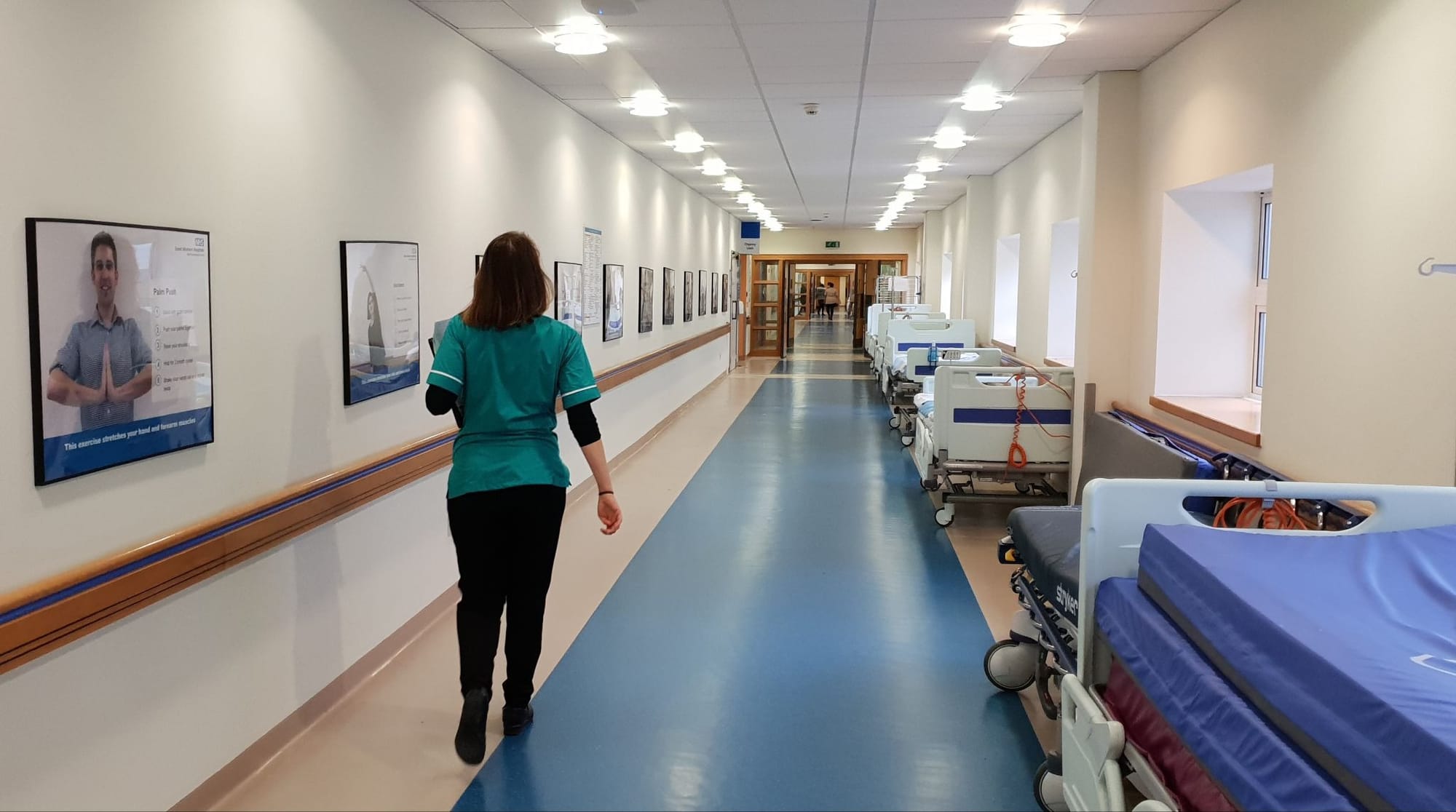
Nothing was clear, so I’m told that local leaders struggled to make plans for how their smaller organisations should be structured. For staff, that translated into months of confusion and uncertainty about whether their roles would survive.
For this story, I have interviewed multiple NHS sources affected by or involved in the restructure, all of whom spoke on the condition of anonymity for fear of being sanctioned.
“It was all done completely backwards,” said a source close to the process in Greater Manchester. “The government just told ICBs to cut their costs and quickly get rid of people, but how were they supposed to do that without knowing what they’d be responsible for doing? It was the cart before the horses.”
This article is for paying members only
Join The Mill for full access to this story, plus four great features delivered to your inbox every week — and the knowledge that you're supporting a new model of local news that puts quality and honesty first.
From £8.95/month · cancel anytime
Get full accessAlready have an account? Sign In