
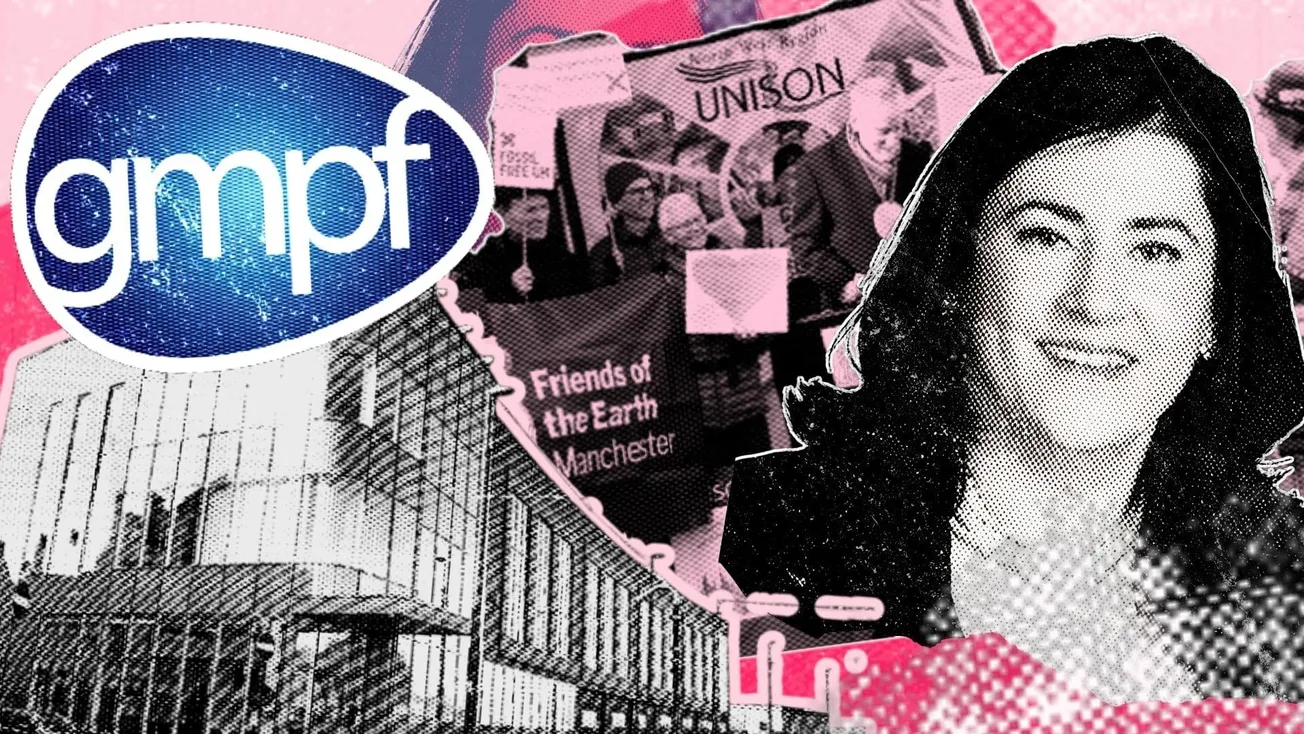
Worth over £30bn, the Greater Manchester Pension Fund (GMPF) is the biggest local government pension fund in the country by some way. West Midlands Pension Fund, the second largest, falls £10bn short of it.
It pumps millions of pounds a year into, among other things: oil and gas, mining, arms. Green mayoral candidate Geraldine Coggins also claims that the fund supports companies that further the human rights abuses against China’s Uyghur Muslim population, prop up the military junta in Myanmar’s brutal civil war, and fund oil and gas drilling in the disappearing Amazon basin.
Over half a million people across Greater Manchester are signed up to the Fund. They’re the city-region’s public sector workers, among them transport staff, community and healthcare workers and plainclothes police.
Celebrate 30 years of Bridgewater Hall
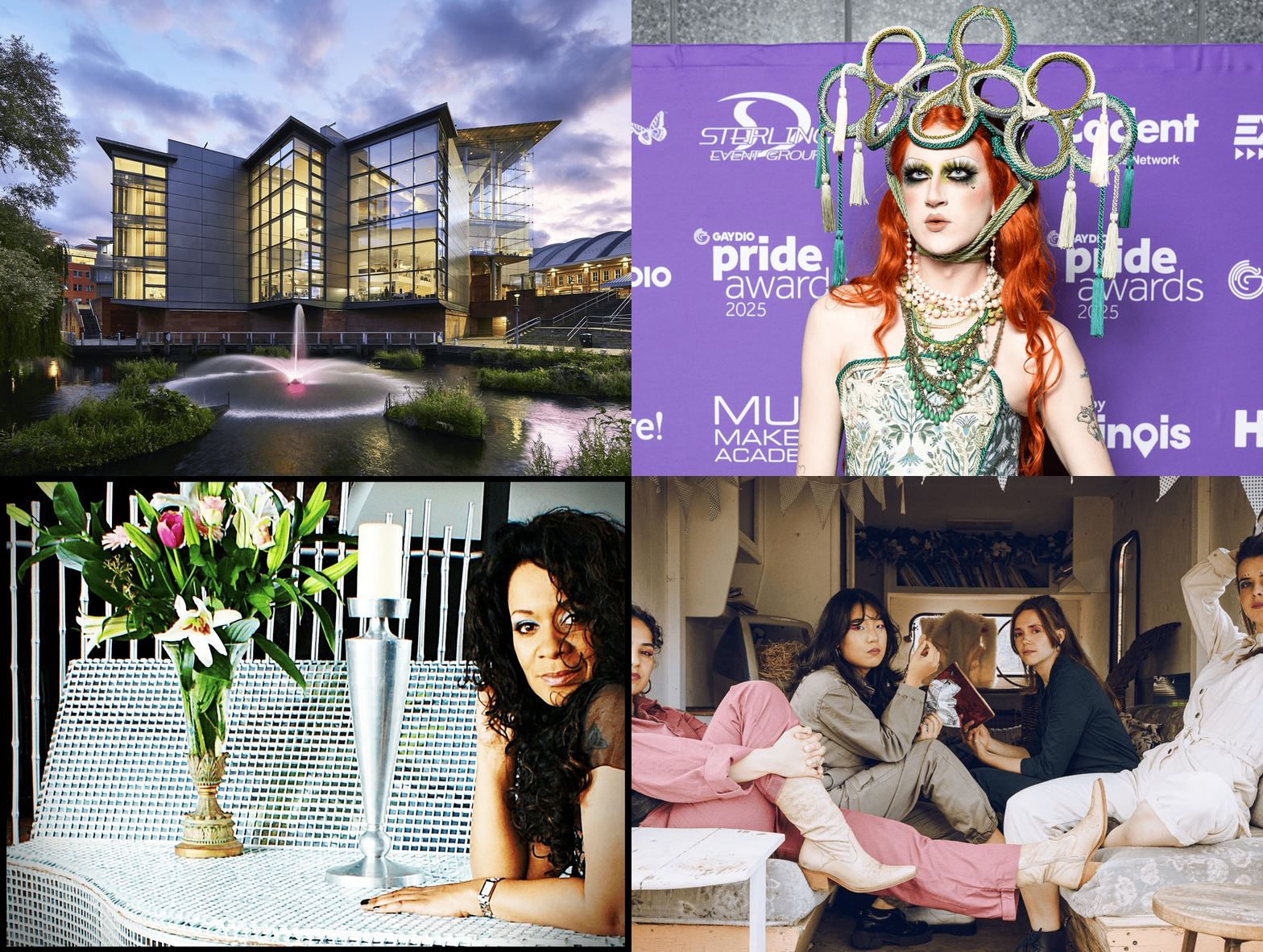
Bridgewater Hall turns 30 this year, celebrating by doing what it does best – bringing world-class performers to the stage – for a one-off spectacular on 20 September. The best part? You’re invited. The performance will look back at the last thirty years and on to the future, with artists representing the sound of Manchester today – from grime to soul, drag to jazz — paying homage to stars who have taken to the hall’s stage over three glittering decades. There will be a rendition of Herbie Hancock’s Maiden Voyage, a take on Liza Minnelli’s Cabaret by drag star Banksie, and an exclusive performance by the newly formed Greater Manchester Youth Choir.
Mark your calendars and grab your tickets below (birthday gifts not required).
Interested in sponsoring The Mill? Get in touch.
But what’s most baffling to the people I spoke to for this article – councillors, protesters, even members of the GMPF board – is why the country’s biggest Local Government Pension Fund is run by the most scandal-laden of the Greater Manchester boroughs: Tameside. You might remember Tameside Council from my reporting on alleged electoral fraud in May’s local election, or from the time two MPs and 11 councillors were suspended for leaked abusive messages within a Tameside Labour WhatsApp group, including comparing residents to serial killers and wishing an elderly constituent “croaks” before the next election.
So the fund is naturally not without its dissenters. Every Saturday, protesters from Stop the War and Friends of Palestine placard the building’s entrance, alongside supporters of various environmental campaign groups.
But those who try to convince the fund to change its ways are told it's impossible. There is a legal obligation to bring in the greatest amount of money possible for pension members.
Crucially, gaining information from GMPF is mysteriously hard. Their meetings are technically public, but attendees who aren’t staff are asked to leave after the first few points. When I called up the main desk of the Fund, I was told that if I wanted to speak to a press officer, I had to post a physical letter.
Speaking with me on the basis of anonymity, councillors who advise on the GMPF panel tell me that no information is permitted to be shared with the councils they represent.
For a city region that talks a good green game, is this its dirtiest secret?
The secretive headquarters in the middle of town
In Tameside, Droylsden is a town screaming for attention. The mid-century precinct is flickering with promises of regeneration: a successful craft beer pub, a busy cocktail bar, a renascent lower league football club. Right at the heart of it sits Guardsman Tony Downes House, a giant oblong block of glass and brick named after a 20-year-old Grenadier Guard killed on service in Afghanistan and whose family own the King’s Head pub metres away. These are the foreboding headquarters of Greater Manchester Pension Fund.
For this piece I’ve spoken with several councillors and activists from around Greater Manchester leading the calls for GMPF to divest from fossil fuels and military-related industries. Every person I speak with is baffled by the secrecy that shrouds the building’s incumbents.
But crucially, they share with me exactly what can – and cannot – be done about the fund.
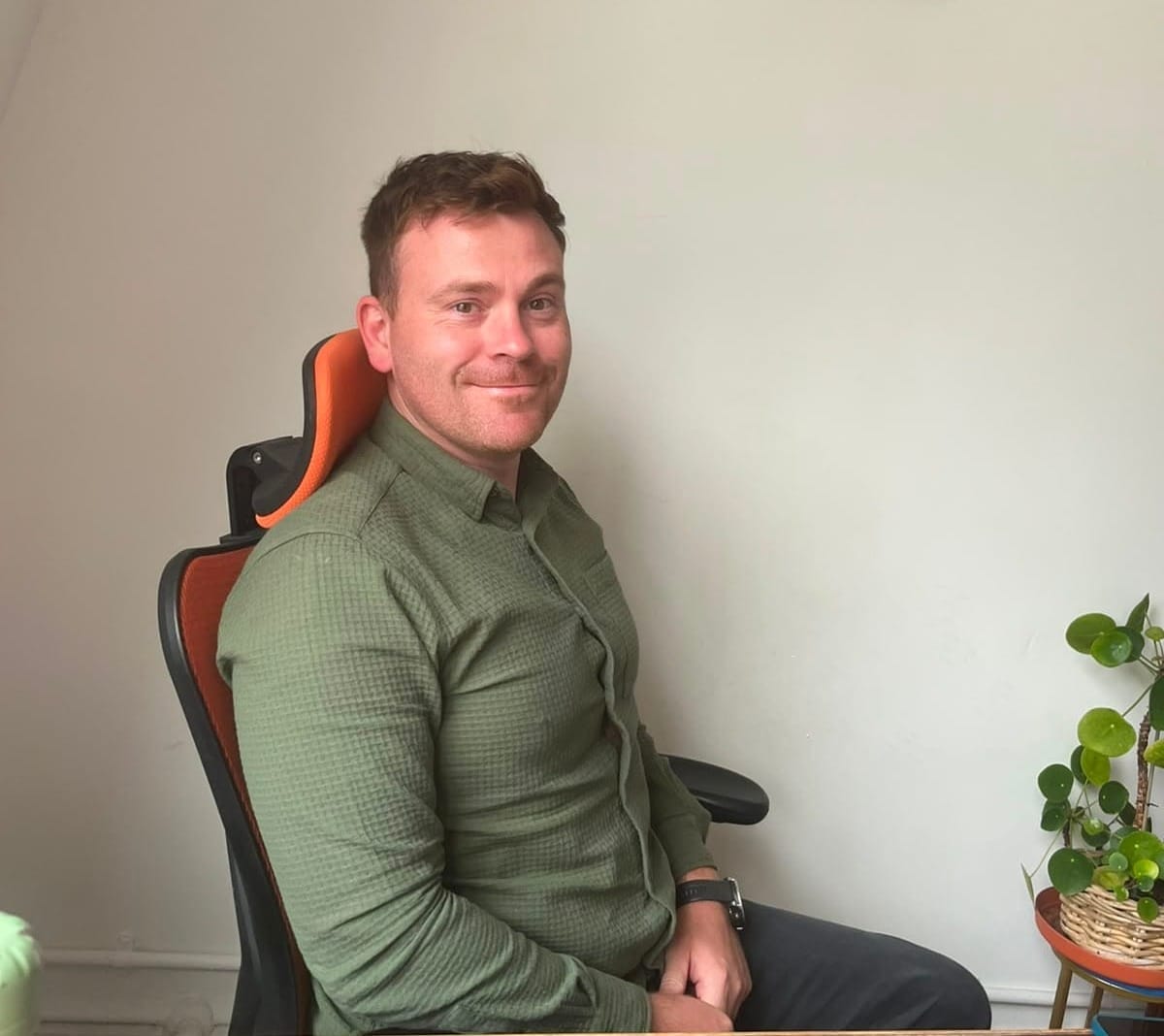
Hi, it’s Alec— the writer of this piece.
This rare look into the inner workings of Greater Manchester's giant and closely-guarded pension fund is for paying members only. That's because being reader-funded allows us to give our stories the depth and time they deserve.
That’s why I’d like you to consider joining The Mill today. Without our paying members, it would be impossible to do the work we do.
This article is for paying members only
Join The Mill for full access to this story, plus four great features delivered to your inbox every week — and the knowledge that you're supporting a new model of local news that puts quality and honesty first.
From £8.95/month · cancel anytime
Get full accessAlready have an account? Sign In