
What’s the right word for it? A humbling? That doesn’t feel strong enough. A pasting? Are we allowed to reach for that wonderful word beloved of American journalists surveying a lopsided election: a shellacking?
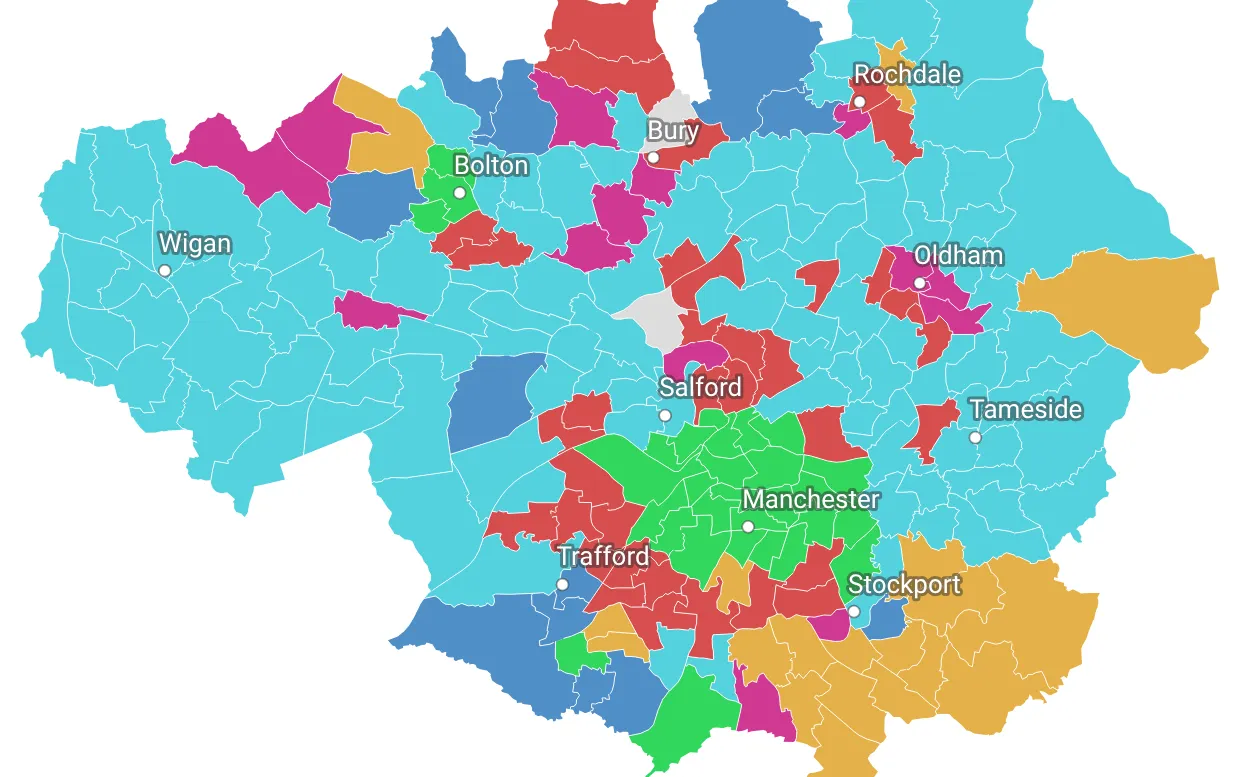
The scale of the beating handed to Labour in these local elections is difficult to convey just in words. You need to see numbers and maps, showing seas of red replaced by turquoise and green and yellow; you perhaps need to see the tears and feel the desolation longtime servants of the party are feeling this evening. That this defeat has been suffered in the heartland of the modern Labour Party — the stronghold atop which names like Andy Burnham, Angela Rayner, Lisa Nandy and Lucy Powell have built their reputations — is all the more harrowing.
Yes, we knew Reform would pick up seats in the outer boroughs, but did we think they would win 24 of the 25 on offer in Wigan? 18 of the 19 up for grabs in Tameside? 13 of 21 in Salford and 13 of 20 in Oldham? The scale of the Labour wipeout in places they have dominated for decades is something to behold, with 108 Labour councillors in Greater Manchester losing their seats. The only saving grace for Labour was that only a third of seats were up for election this year. Had these elections been ‘all outs’, the destruction would have been catastrophic.
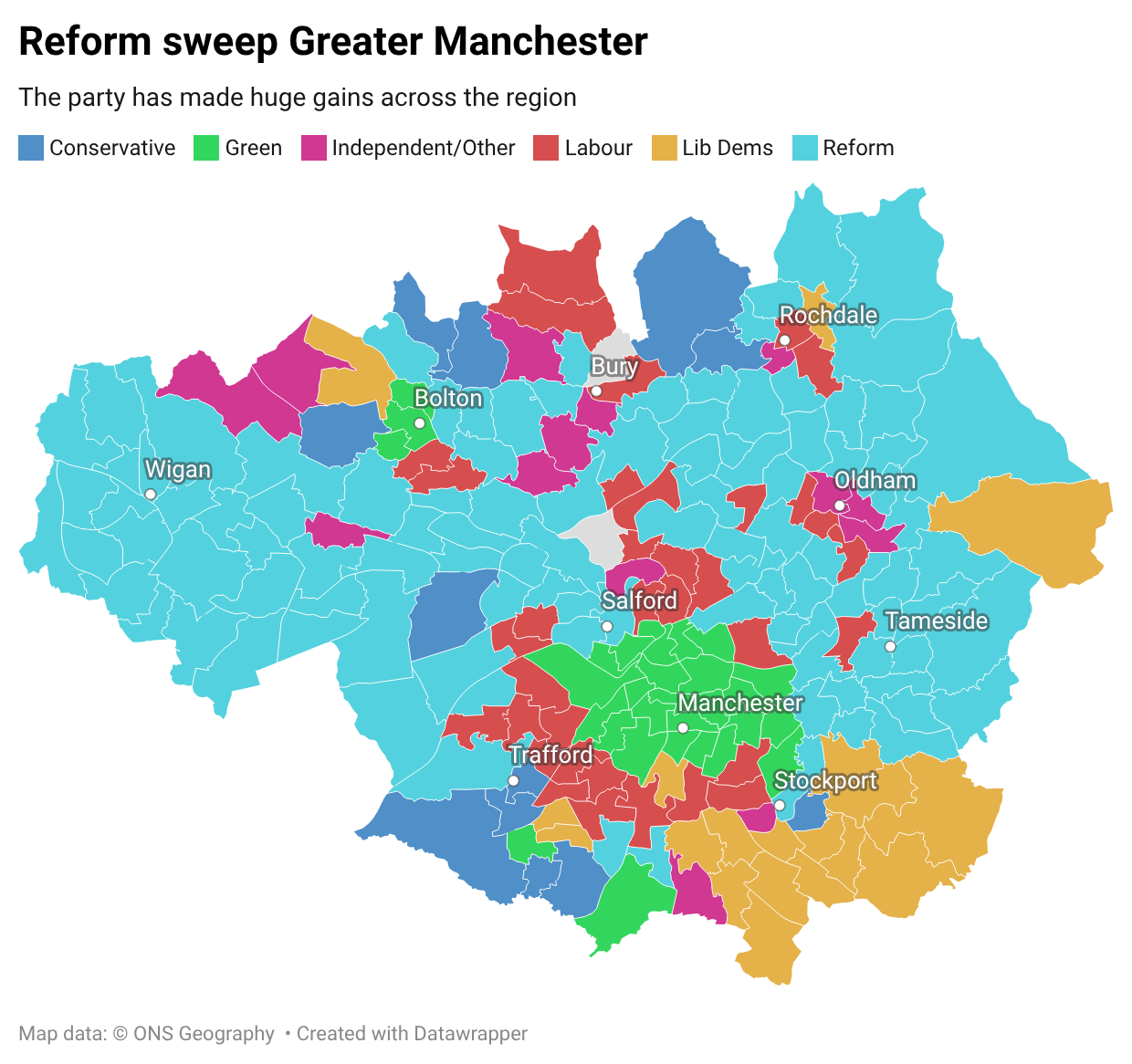
The map below shows Greater Manchester’s election results in technicolour, with Reform rampant across the board and Stockport mostly yellow, where the Lib Dems picked up a couple of seats to become the largest party. But today’s biggest surprise arguably took place in Manchester itself, where Labour’s dominance was dismantled in a dramatic few hours straddling lunchtime.
‘Unfathomable’
A group of Green Party candidates and activists are sitting in a quiet corner of a café at Manchester Central, between the rooms where the counts are taking place. We’re a few hours into the count and they are cautiously optimistic.
We’ve heard from sources that things are looking bad for Labour, but how bad? In recent weeks, local Labour figures have talked about losing 10 seats, maybe 12. Irritating, sure, but not a disaster for a party that has written the rulebook on how to hold power in major cities and holds a mighty 87 seats out of 96 on the council.
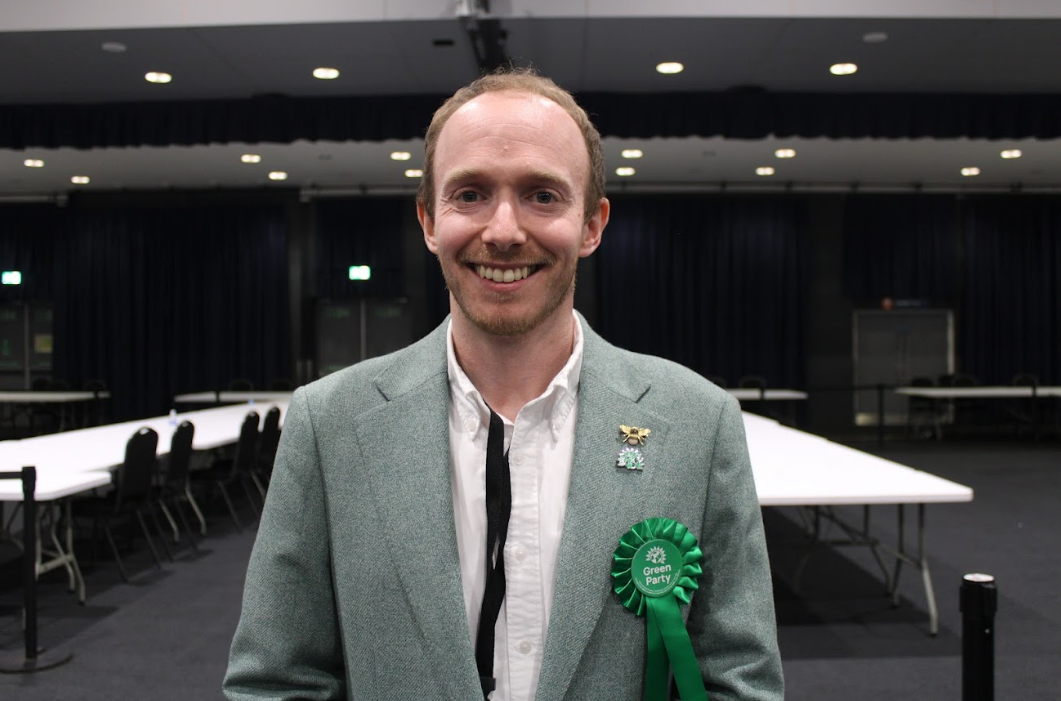
Chris Ogden is one of the Green group. He’s a longtime party organiser in Manchester and now their candidate in Gorton and Abbey Hey. Following Hannah Spencer’s victory in February’s Gorton and Denton by-election, Ogden thinks he has a decent chance of winning and starts talking about the issues residents bring up on the doorstep: fly-tipping, housing, disillusionment with two-party politics.
But we’re suddenly interrupted. A Green Party member comes flying in from the count room.
“There’s movement in your ward — come on!” she says to Ogden.
Ogden looks apologetic. “I…sorry! I have to go!”
When we catch up with Ogden later, he is the new Green councillor for Gorton and Abbey Hey. He says it’s been a stressful few weeks, and he’s barely slept. Still, he can’t wipe the grin off his face. “We expected to gain seats, but the scale at which this is happening is just unfathomable really.”
When we spoke to a key Green figure on Tuesday, they hoped to add seven or eight seats to their existing three – put a bit of green on the board in the reddest city in the country. But around midday today, a few hours into the count, the message started to come through that key Labour citadels were falling.
Not just in the Gorton and Denton wards, where the Greens were confident, but proper Labour strongholds like Rusholme and Longsight and city centre wards the Greens expected the Lib Dems to win, like Ancoats, Piccadilly and Deansgate. It seemed to augur poorly for Labour when we heard about a long queue of mostly young-looking voters snaking through the DoubleTree by Hilton in the Northern Quarter last night, staying in line despite being warned it could last 70 minutes. And so it turned out.
Is Manchester still working from home? And have local employers got the balance right asking staff to come back to the office? Come to our free event on Tuesday night to join the conversation.
The Green wave
“You tell people what you’re doing, and they’re glazing over. They’re not interested in what you’ve done. It’s solely national,” one Labour councillor says at the count, to the backdrop of intermittent cheers from Green members around us. A Labour candidate approaches with tears in her eyes — it’s clear she’s just lost her seat, and she collapses into the arms of the councillor we’re interviewing.
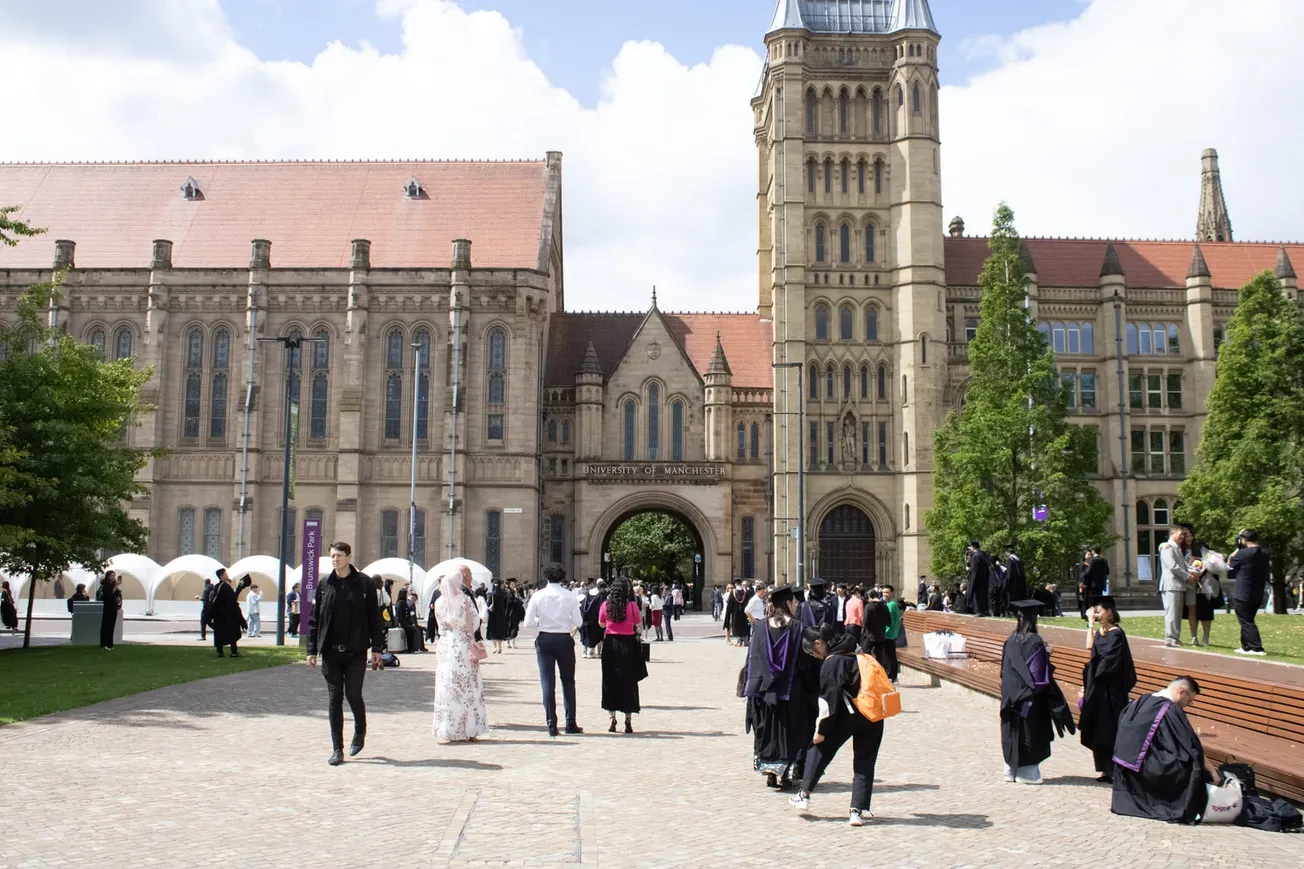
“Three in a row!” a Green candidate yells as the party announces yet another victory — this time in Woodhouse Park. The next to fall is Moss Side, a seat whose demographics have shifted in recent years, with more university workers moving into the leafier south of the ward, but which has been solidly Labour for years.
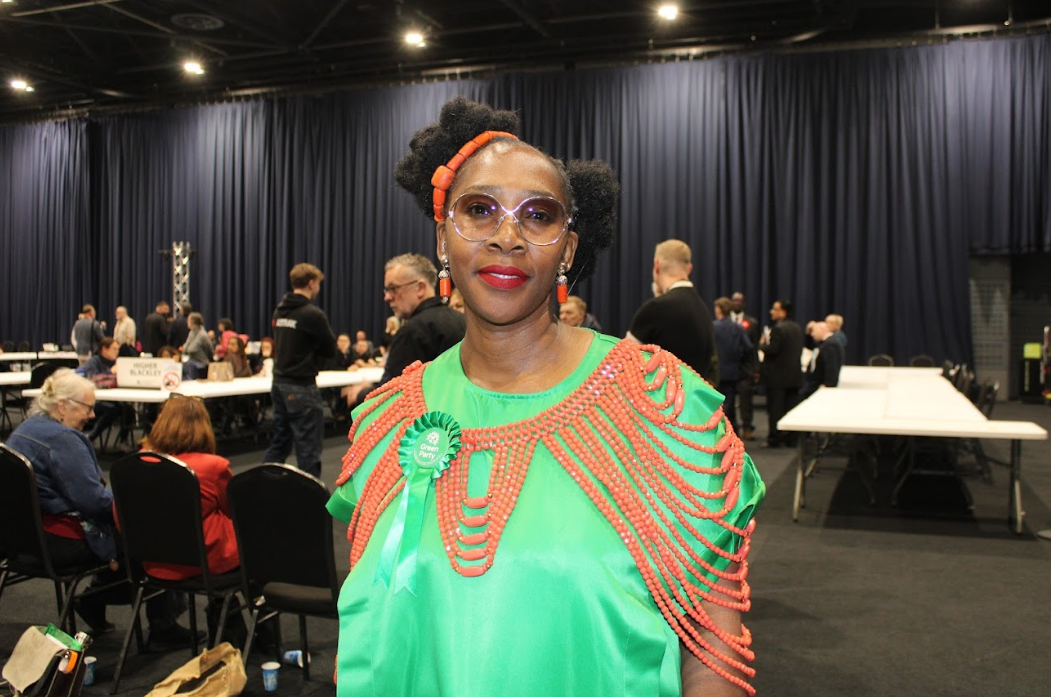
There’s silence as people strain to hear the votes. When the Green candidate Thirza Amina Asanga-Rae is called out as the winner, the crowd erupts with cheers, chanting her name. “It feels like we have birthed a new city in Manchester,” she says. “And I…” Asanga-Rae stalls, then breaks down in tears. Hannah Spencer, stationed beside her in her signature green suit, steps in to steady her. The Green vote has gone from 7% in the seat to 56% since 2022.
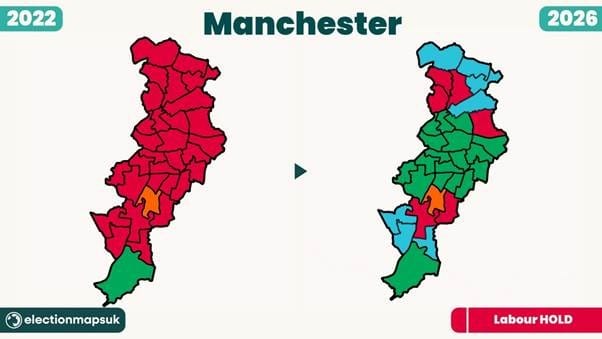
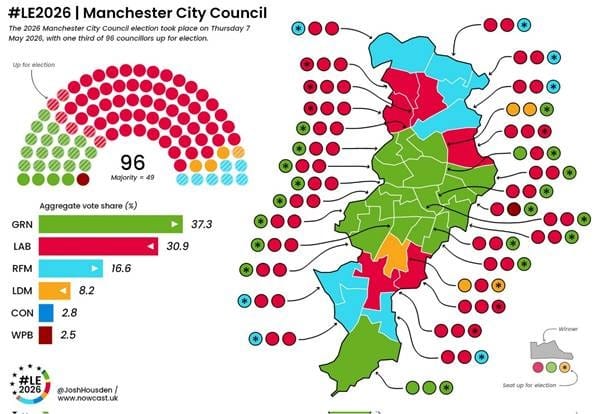
In the final analysis, the Greens picked up 18 seats in Manchester, including Whalley Range, Fallowfield and Chorlton. Withington was supposed to be a close fight with the Lib Dems and it went Green by 500 votes. Burnage, the ward that council leader Bev Craig sits on, was won by the Green candidate Asma Alam by more than 800.
That would have been bad enough for Labour, but they were also losing wards to Reform UK, a party that until yesterday didn’t have a single Manchester councillor. Now it has seven: Miles Platting & Newton Heath, Moston, Higher Blackley and Charlestown in the north and Brooklands, Baguley and Sharston in the south.
How will the result change Manchester politics? Well, the Greens will now have 21 councillors: the first time since the post-coalition collapse of the Lib Dems that this city has had a real opposition. There will be Reform members in the council chamber, which will bring a different tenor to proceedings. Manchester’s council meetings, which have long been missable affairs because most of the decisions were made by Labour powerbrokers in private meetings, will now be appointment viewing.
Ok, perhaps that’s a bit strong, but The Mill will be sending a reporter along more often than we used to. Labour figures grouch that the meetings will now host grandstanding over foreign policy and grooming gangs. The new insurgents counter that Manchester will now experience something it’s been missing: genuine political debate.
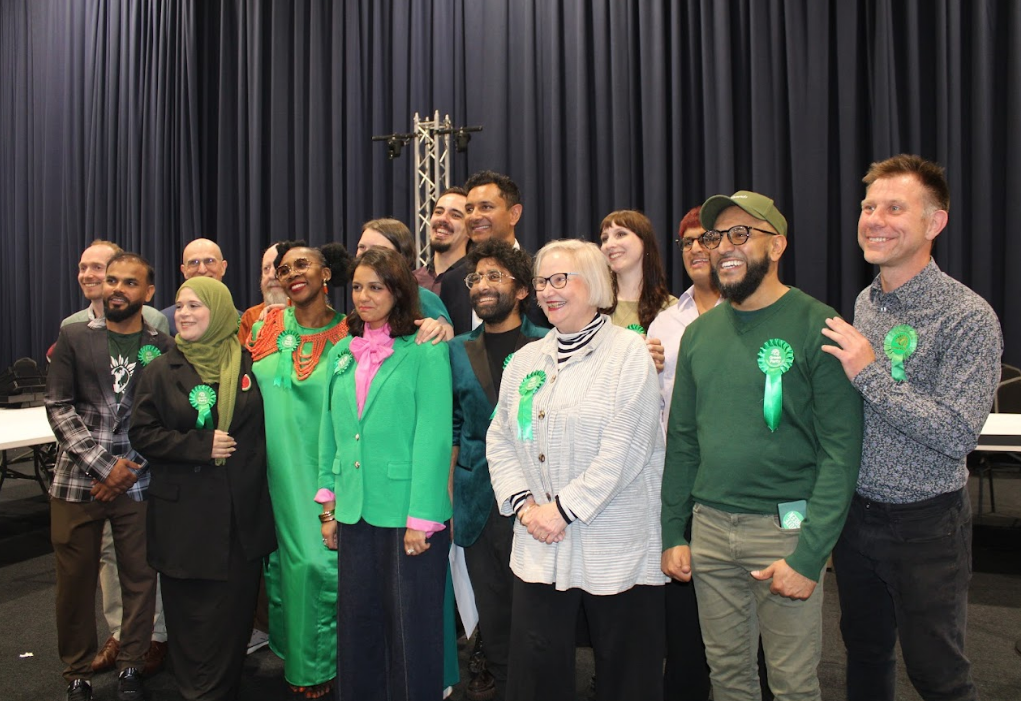
“With a larger group we can scrutinise, we can nudge and push decisions that benefit the residents,” says Astrid Johnson, the leader of Manchester Greens. What issues does she think she can nudge on? “The social housing crisis, the inadequate living arrangements, houses with mould, poor insulation, more green spaces,” she says.
And how does she feel after the most transformative day in Manchester’s politics for well over a decade? “My mind is blown because it’s such a resounding victory, and the path for the future to at some point take control of Manchester City Council,” she says. “I can’t be happier and prouder.”
‘Something isn’t right’
It was 2pm yesterday when Rabnawaz Akbar, the most prominent Labour councillor toppled in Manchester, realised “something isn’t right”. Akbar has held his seat in Rusholme since 2010 and it’s been entirely Labour since 2012. He won’t call it a ‘safe seat’ but until today, that’s what everyone thought.
“We went to the polling stations and people weren’t looking us in the eye, and we could tell something was wrong,” he says. By the time counting got under way, the scale of the earthquake was becoming clear: votes racking up for the Greens vastly beyond anything they have achieved before. In the end, it wasn’t close: Akbar lost to the Green Party’s Shams Syed by almost 900 votes.
Akbar was until yesterday the city’s cabinet member for finance and one of four members of the Labour executive who lost their seats, but losing is about more than losing a job. “It’s been my life for the last 16 years,” he says when we catch him on the phone a few hours after the count and he’s had time to compose himself. “I didn’t have any other job for the last 16 years. I found my true home — I loved it. It didn’t matter to me if people rang me at one in the morning.”
He’s not one to blame others, but he feels the brutal swing against Labour had more to do with national politics than local. On the doorstep, he’s heard about voters who don’t like Sir Keir Starmer and are struggling with the cost of living. He’s also heard complaints about Shabana Mahmood’s restrictive immigration proposals, and then last Friday, disaster struck when a video of the local Labour MP Afzal Khan started spreading online, appearing to show him denying that Israel had committed a “genocide” in Gaza.
“He said the video was manipulated but by the time he got his rebuttal out, it was going viral,” Akbar says (Khan says the video was dishonestly edited after the person shooting the video asked him if Labour was responsible for genocide). The video emerged last Friday, and when Akbar went campaigning on Sunday, he noticed its effect. “That was the moment when on the door, I was getting less of a warm response,” he says.
‘Political revolt’
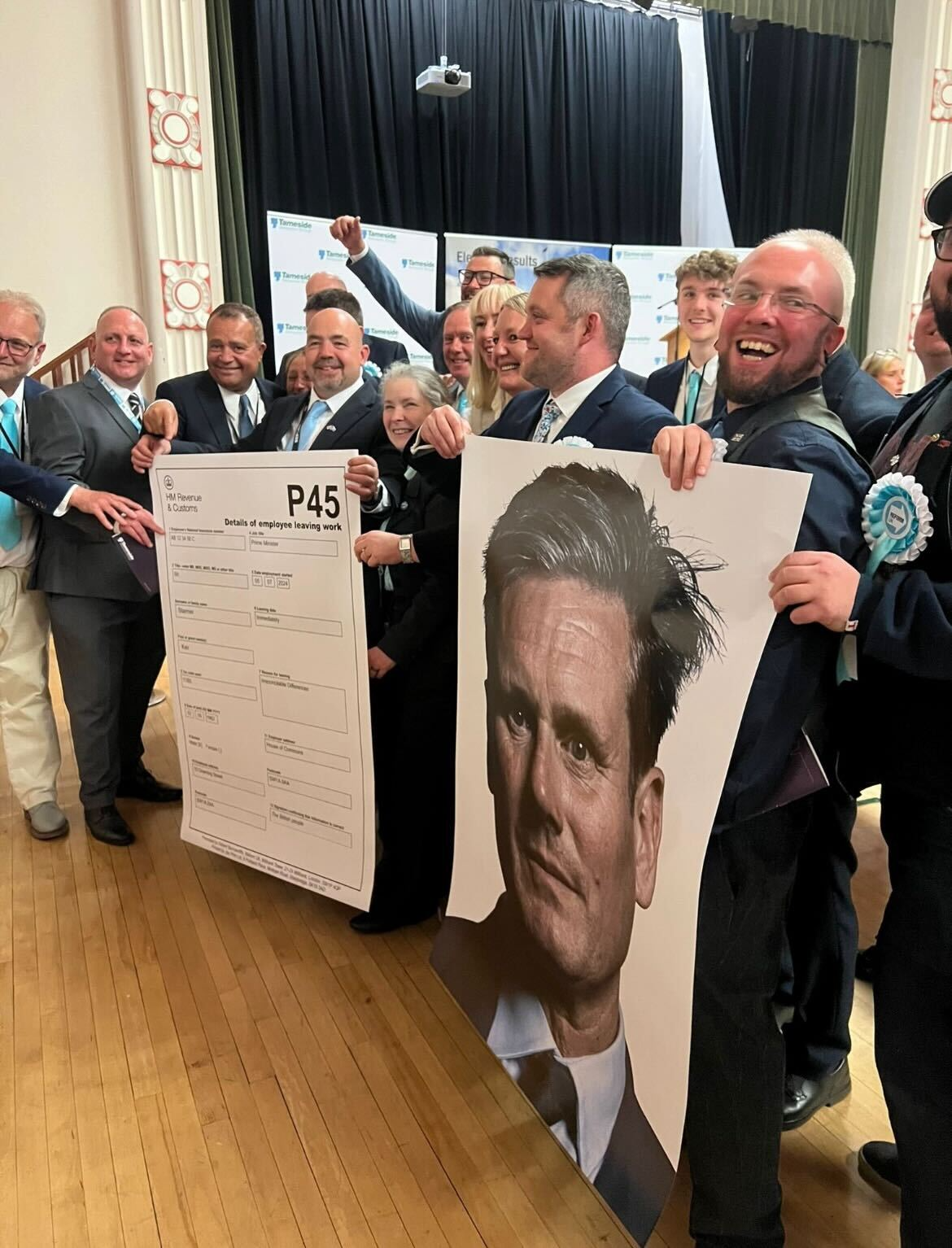
A few hours before the Manchester results started dropping, a landslide had already taken place in Wigan. And Reform’s leader there, Paul Watson, was as high on the moment as you’d expect from a man whose party had just won 24 out of 25 seats on offer, a landslide of North Korean proportions.
“We’re at the start, the birth, the beginning of a political revolt,” Watson says, his voice rising with feeling. “A political revolution where people are denouncing the traditional two-party politics. We’ve never had a viable or credible alternative before and Reform UK are delivering that. We have a responsibility to continue”.
As usual, the winners in a local election tend to emphasise local issues whereas the losers say they are victims of national trends over which they have no control. Which side of the argument has been more consequential this time?
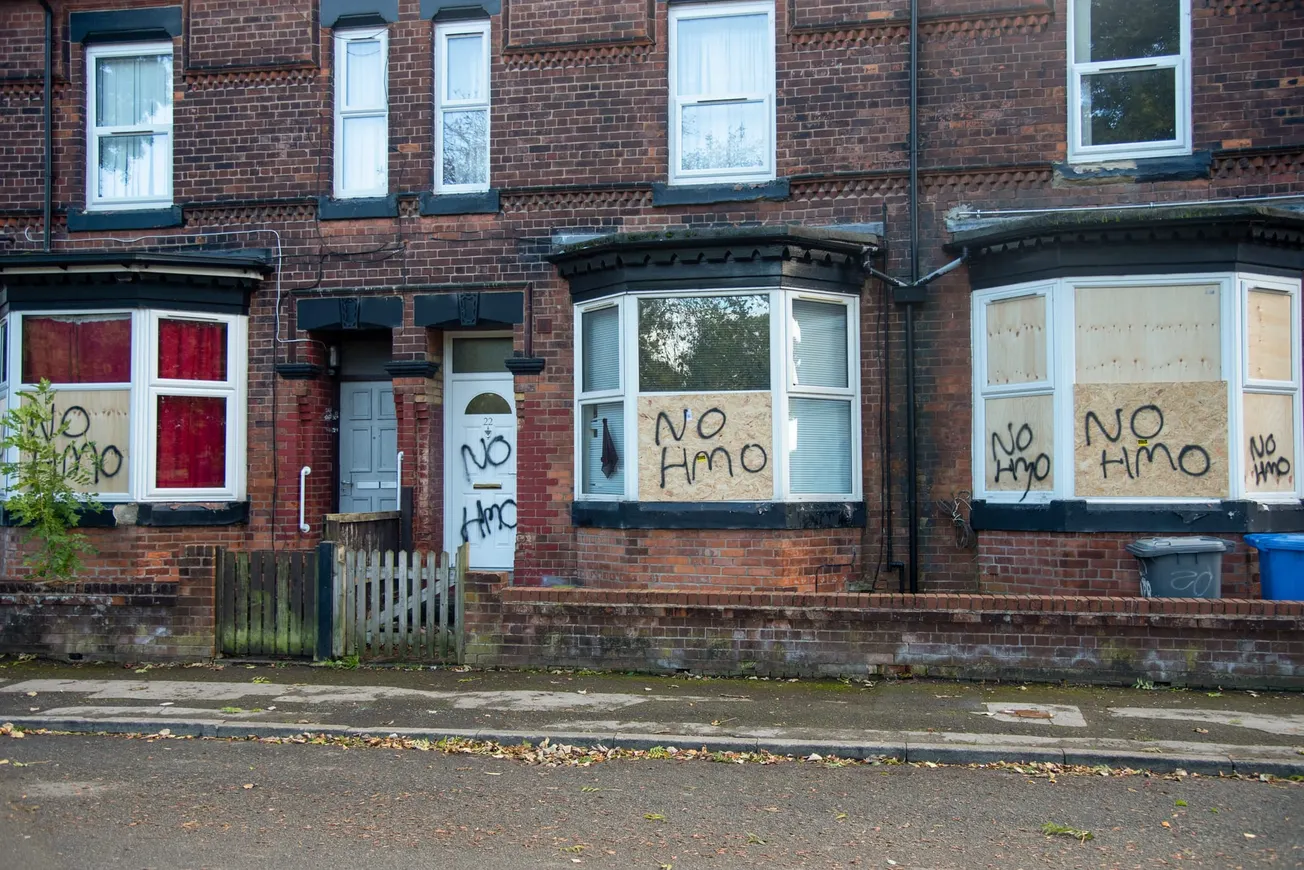
Watson says he noticed a split between the eastern side of the borough, where voters talked about issues like the planning, use of the Green Belt and decisions regarding warehouses in Astley, for example, and the central, town-of-Wigan stretch of the borough, where he says he heard more complaints about immigration and HMOs. Wigan has become “a dumping ground for asylum seekers,” Watson says, and that means properties being converted into HMOs and fewer rental homes to go around. “People want a return on their investment,” he says. “It’s a poor borough”.
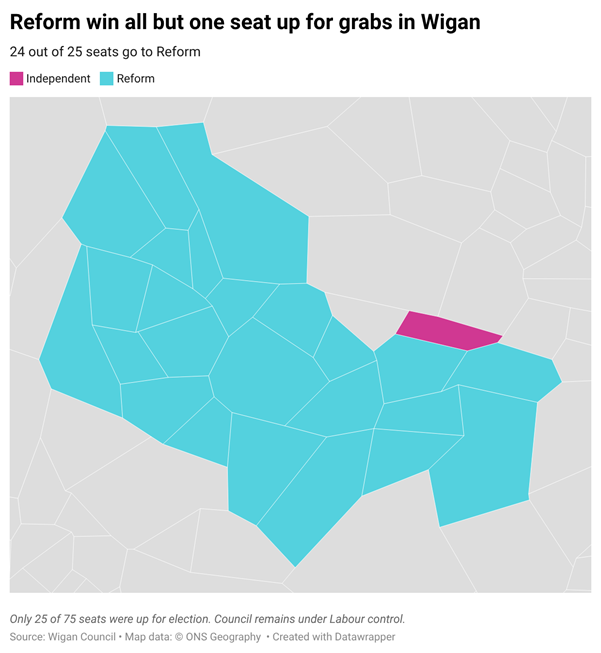
Labour still has the most seats on Wigan council (42 in total, compared to Reform’s 25) but only because two thirds of them weren’t contested this year. “Greater Manchester as a whole is going to be a bloodbath in the next few years,” Watson says. “We’re not opposition – we’re the administration in waiting. We will have control of that council next year.”
‘You’re delusional’
This week Sean Fielding, a Labour councillor and cabinet member in Bolton, was reading an article on the New Statesman’s website and something got his back up. The piece, by data analyst Ben Walker, argued that Labour might suffer from its complacency in these elections, in places where “there is no tradition of campaigning” because the party has won for decades.
“Yeah, fair enough,” Fielding thought, after weeks of speaking to local voters and getting short shrift. “But if you think that just knocking on more doors and having pictures taken litter picking would insulate us from how shit the government has been then you’re delusional,” is how he described his reaction to the article. “Knock on twice as many doors and you just get told ‘no’ by twice as many people!” Reform won nine of the 20 seats on offer in Bolton, and 13 out of 21 in neighbouring Salford.
His frustration is shared by Luke Savage, a Labour activist in Salford, who says the party tried to run a campaign focusing on Salford’s issues. “Many, many things were mentioned on the door and very few were Salford related,” he told The Mill. “The national picture is very, very bad. I’m quite upset because I feel like we lost very hard-working councillors. A lot of people who voted weren’t considering who is a local councillor and how much work are they doing, they wanted to send a message.”
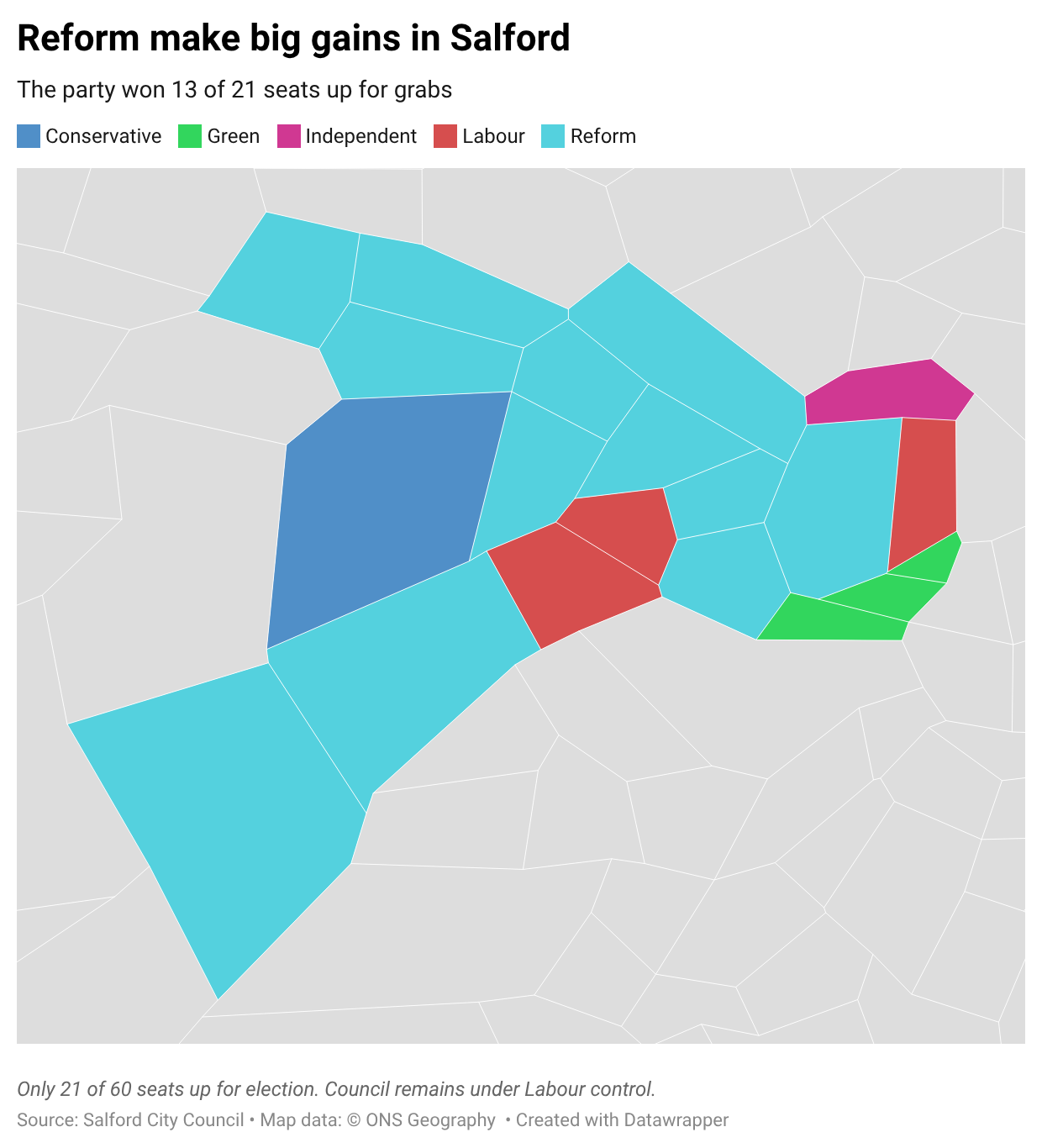
On the face of it, both of them are right to feel aggrieved: Labour’s army of 108 defeated councillors across Greater Manchester today have lost due to swings against the party that look broadly consistent with national trends: Reform doing very well in areas that voted for Brexit; the Greens taking seats of Labour in places with lots of students or Muslim voters. Elections guru Rob Ford, from the University of Manchester, points out that Reform got a “major boost” from the first past the post electoral system, winning many more seats than their share of the vote might suggest because in Brexity areas, the opposition is often split two or three ways.
But there have been exceptions to the Labour rout. In Bury, Labour lost just one seat, and Reform picked up just five, mostly from the Conservatives. Bury’s Labour council leader Eamonn O’Brien says he started the day in a gloomy mood after seeing his comrades being wiped out in Wigan and Tameside, but his mood got progressively better as the day went on. He’s pleased with results that “buck the national trend quite significantly,” he told us, attributing that to great campaigning by his team and good performance in office.
In Bury, it seems that Labour voters might have stuck with the party tactically to stop Reform in areas like Prestwich that might have been expected to vote Green. And one insider suggests another reason for Labour hanging on: perhaps in a place like Bury, “we’ve almost snuck through the middle,” they say. “Maybe the reason we’ve done OK is that we’re not in the extremes: we’re not in the big urban, progressive, lefty seats and we’re not in the traditional working class Leave-voting constituencies.”
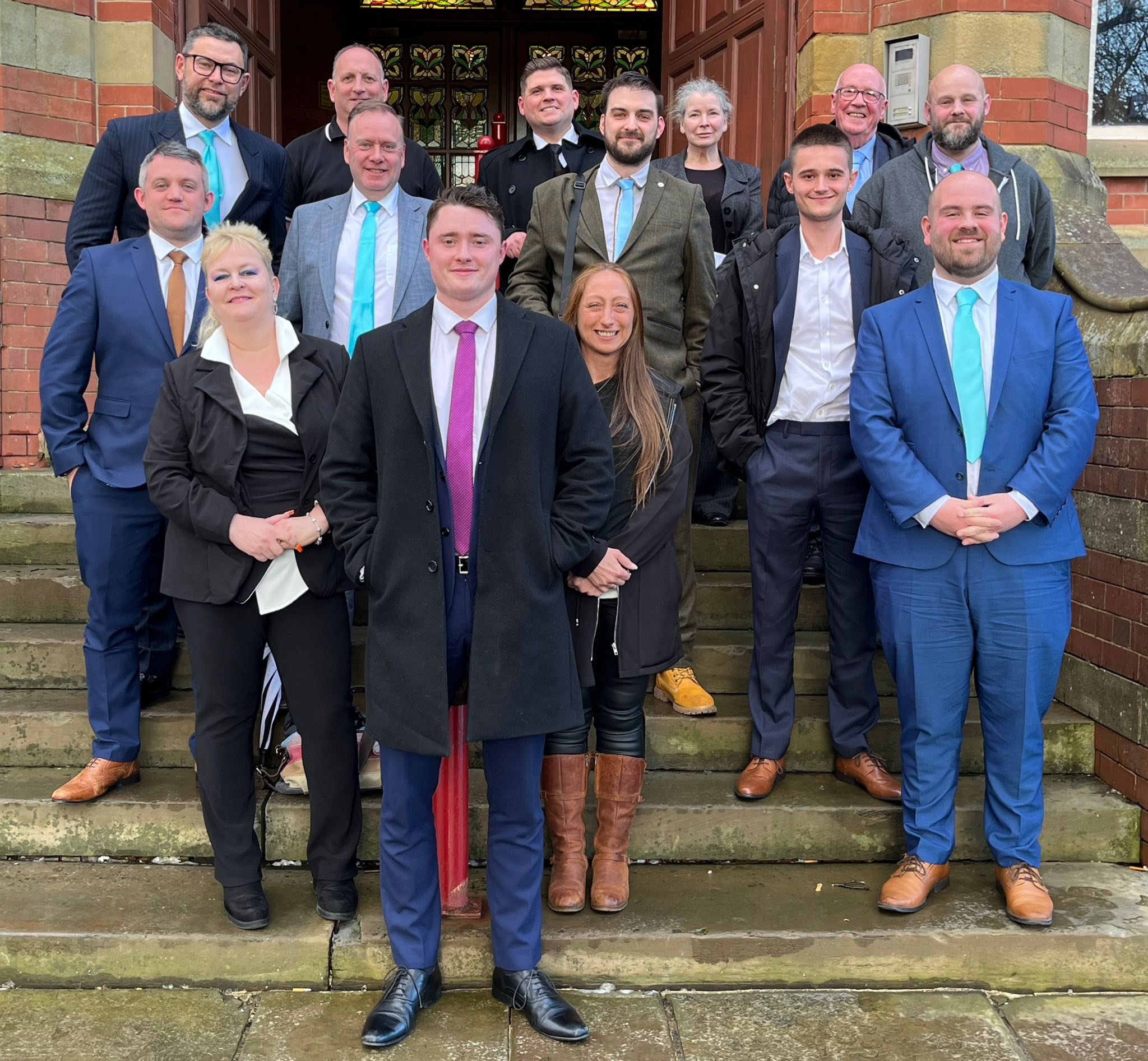
For now, the consequences of today’s election will mostly be in the realm of politics rather than policy or changes that will impact our lives. Council chambers that were stuffed to the gills with Labour councillors will now have noisy opposition benches populated by new faces from the Greens and Reform, some of whom wouldn't have expected to win and might not quite know what they have signed themselves up for.
Labour still runs most of Greater Manchester’s councils, but with a weakened hand and a nervous eye on next year’s elections, when the whole edifice really could come crashing down. Should Andy Burnham pick this moment to strike against Starmer and win a parliamentary seat, Labour will dread the resulting mayoral by-election and the prospect of a Reform mayor.
But something major has changed, as the map at the top of this story starkly shows. Labour’s most successful city region — the place that has launched cabinet careers and created a playbook of stable, sensible Labour governance for others to follow — is entering a new period of flux, perhaps even chaos. The days of being boringly, predictably red on election nights are over and something else now begins.
We will have an in-depth report on Oldham this weekend, and more results and reaction in our Monday briefing.