
This time next week, I will be sitting in a courtroom, defending Mill Media against a libel claim brought by a wealthy Italian businessman called Claudio Di Giovanni, who isn’t happy about an article we wrote about his property dealings. It will be my second trip to the Royal Courts of Justice in relation to this case.
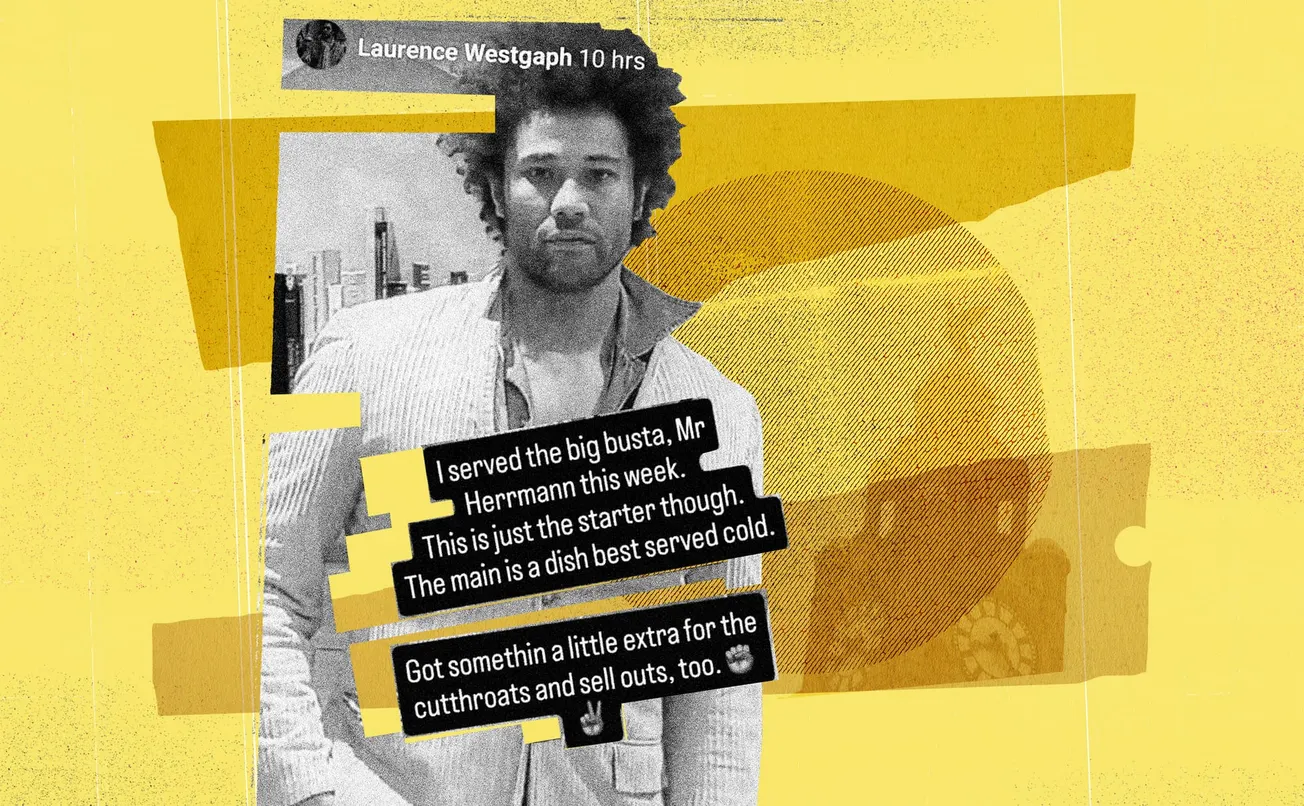
In June, I will be in court in Liverpool, this time defending against a case brought by the former TV historian Laurence Westgaph. It will be 11 months since Westgaph filed his claim, which follows our refusal to take down an article in which we examined why Liverpool’s leading cultural organisation hired him despite being warned about his repeated sexual abuse of former partners.
That’s three court hearings in the space of three months, meaning that I should surely qualify for some kind of loyalty points from the judicial system. Though if such a scheme exists, I won’t be the only British editor or reporter racking up points. Sadly, we have a system that is heavily weighted in favour of the claimant, such that London is known as the “libel capital of the world”. It’s an issue for free speech and for our democracy that I wish was more widely understood. And I hope after reading this you will take part in the campaign to change it.
I started this company almost six years ago as a one-man band: just me writing one local newsletter, trying to respond to the local news crisis by doing a thoughtful, considered brand of journalism that I thought was missing in the UK. Now, Mill Media oversees reader-funded publications in six cities, and is surfacing stories that simply would not have emerged if we didn’t exist.
It’s only in the past two or three years that we’ve had the resources and expertise to pull off really complex investigative journalism. I’ve tried to assemble a team of journalists who have the talent to dig into complicated stories, and also bring in experienced editors like Cameron Barr, the former senior managing editor at the Washington Post, to guide them.
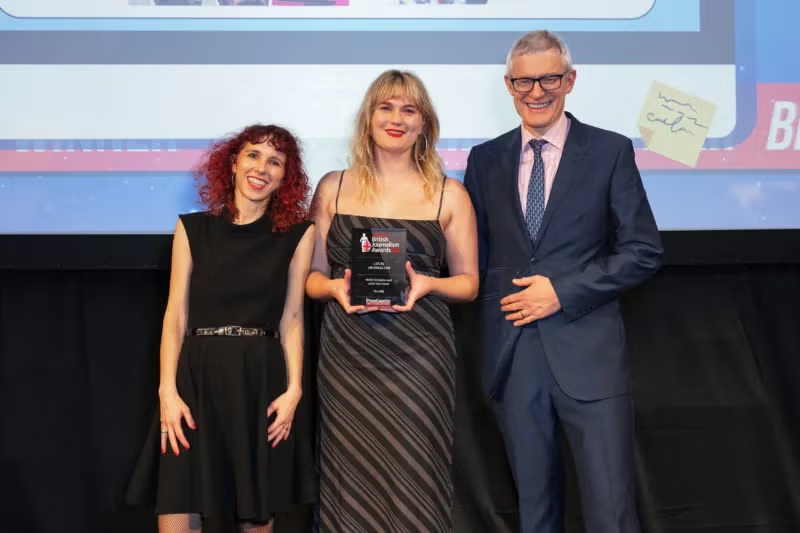
It’s paid off, and we’ve become a real force in investigative reporting. Last year, one of our investigations won the local news prize at the British Journalism Awards and another one was a finalist at Private Eye’s prestigious Paul Foot award. Our work has led to two police investigations in the past year, including property raids of university officials and the arrest of a lawyer.
But doing this kind of work has also put a target on our backs. We get threatening letters from lawyers at least once a month, usually trying to bully us out of publishing information about their clients that they know is true. Sometimes, the letters come after publication. Some of you might remember the Manchester businessman Sacha Lord threatening to sue us two years ago if we didn’t take down an article that showed his company had egregiously misled the Arts Council to obtain more than £400,000 of pandemic relief funding.
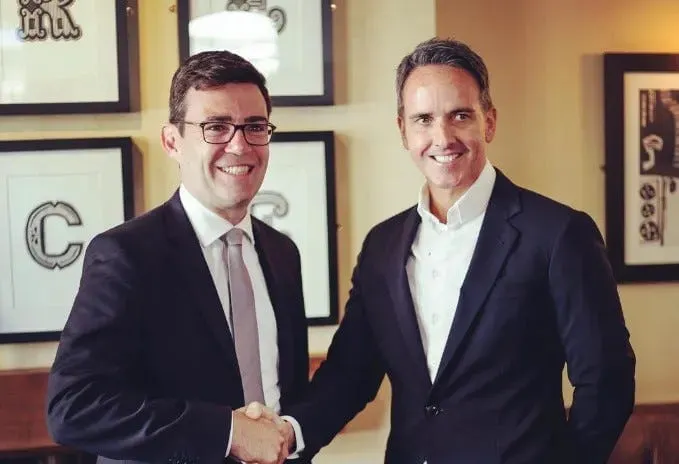
Lord was very public about his threats (he told The Times he had instructed a “specialist defamation KC” to sue us). It briefly worked: a reporter at a national newspaper wrote a story about the situation but told me that it had been pulled on the advice of lawyers because of Lord’s sabre rattling. But in the end, our story was vindicated: Lord resigned as an advisor to Andy Burnham when the Arts Council asked for the money to be paid back.
Claudio Di Giovanni, the Italian businessman we are facing in the High Court next week, has engaged in a long campaign of legal threats. Notably, he singled out Cormac Kehoe, the reporter who wrote our story, and took separate legal action against him in an apparent attempt to intimidate a freelance journalist. Shamefully, he even threatened Cormac that he might go to prison. “The defamation claim being filed against you is not just civil, it has criminal implications through and through,” he wrote, emphasising the possibility of “jail time”, even though defamation was decriminalised in 2009. Not once in the nine months since we published our story has Di Giovanni pointed out a single inaccurate detail in our reporting.
Laurence Westgaph, the TV historian in Liverpool, has deployed a novel legal strategy: using data protection laws to try to compel us to reveal our sources so that he can see who is making allegations against him. Of course, we would never give the details or documents of confidential sources to the subject of any story. Westgaph’s case against us argues that our refusal to hand these over has caused him distress and harm. We will argue in court that exemptions in the GDPR that protect public interest journalism mean we do not have to hand over our source material. But the case is a sign of how these recently implemented data privacy laws can be abused.
Our ongoing cases will end up costing us around £100,000, or even more if they drag on in the months ahead. We are confident of winning both of them, but much less confident about recouping those costs from the claimants suing us. That’s the crux of the problem with the legal system as it stands: it’s incredibly expensive to defend even the flimsiest of claims. The growth of AI chatbots is making it easier and easier for people to file legal claims even though they know that their case has no legitimate basis, and I fully expect the volume of these to go up.
The threats we are facing have recently been raised in parliament by the Labour MP Phil Brickell, who said: “Local journalism is the lifeblood of our democracy. But the defamation laws in this country can make it difficult for investigative media outfits like The Londoner, The Manchester Mill and their parent company Mill Media, to speak truth to power.”
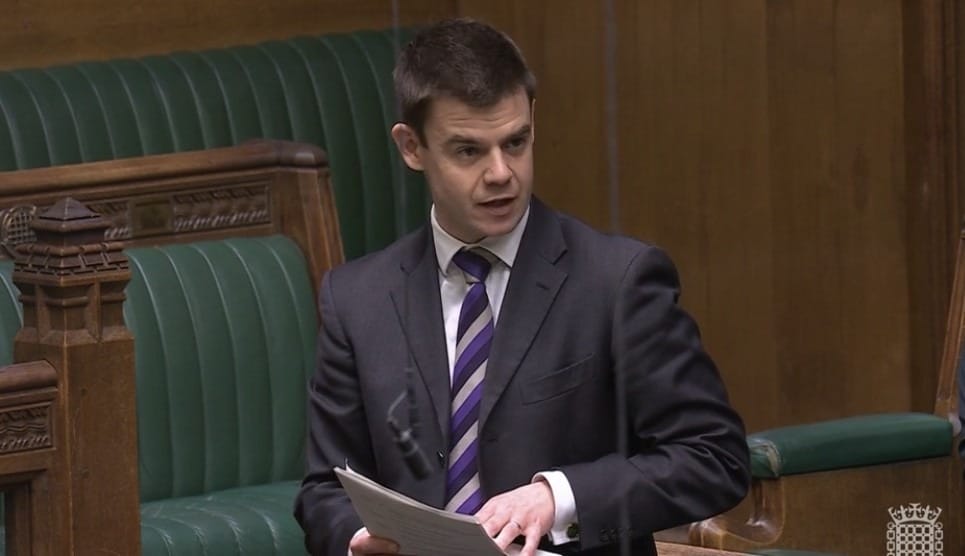
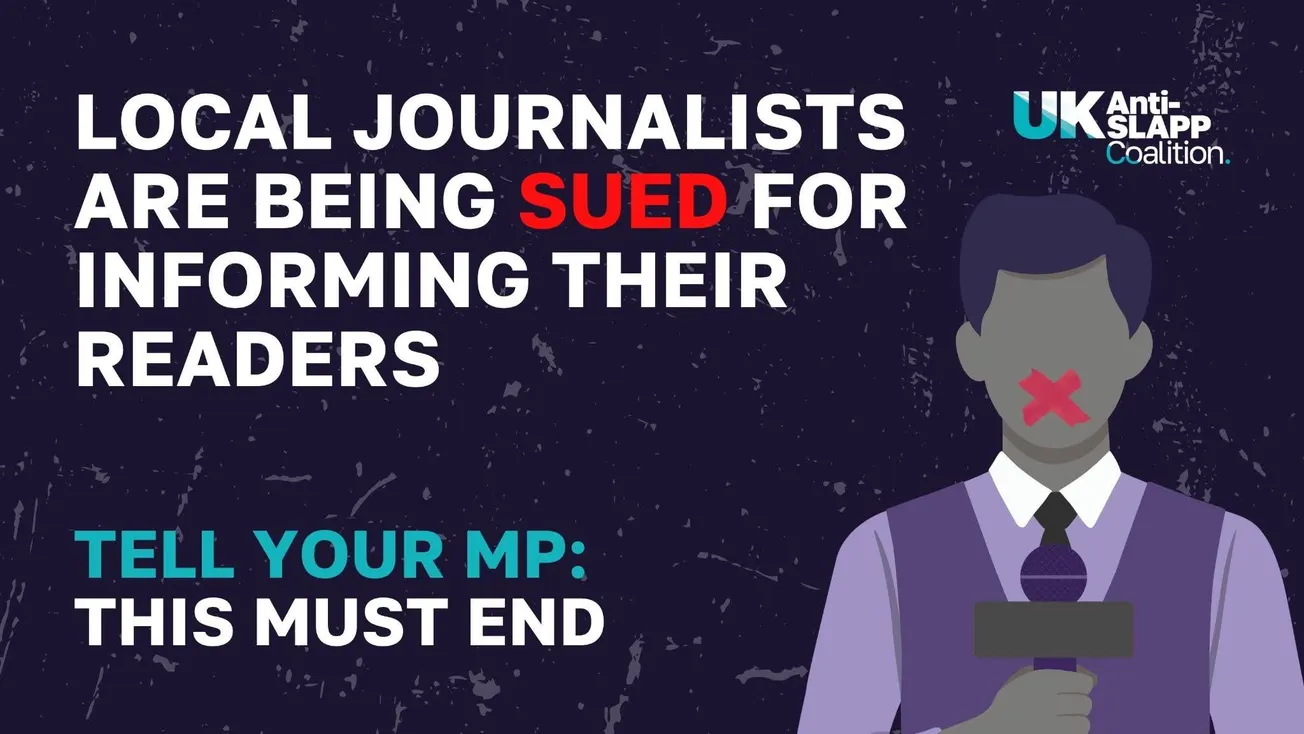
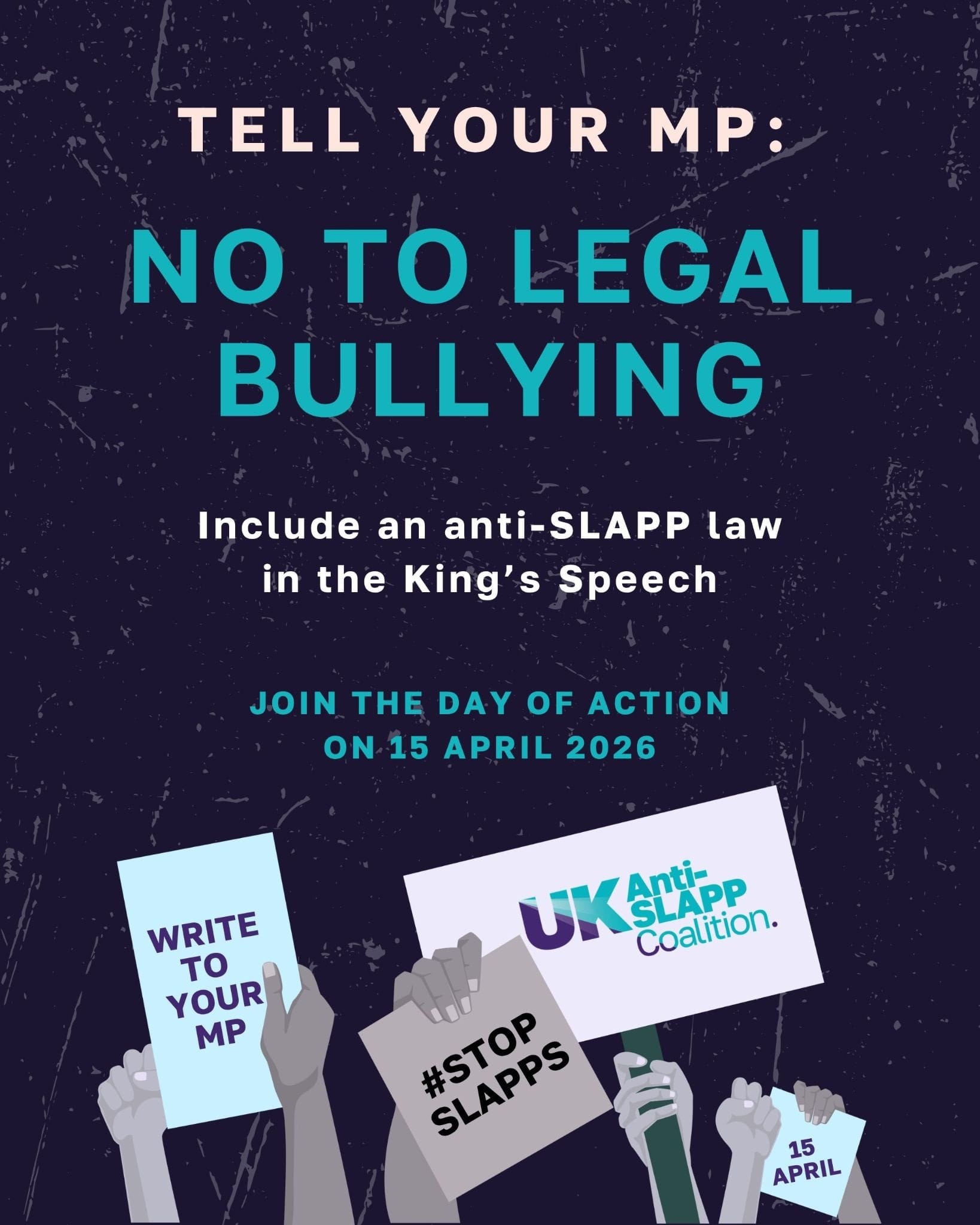
Brickell asked the Ministry of Justice to outline what steps it is taking to tackle abusive lawsuits, which are sometimes called SLAPPs (Strategic Lawsuits Against Public Participation). SLAPPs allow those with money to threaten costly and time-intensive court action to prevent reporting being made public or to force published work from the public eye. Today, media outlets across the country are joining a Day of Action to call for the UK Government to include anti-SLAPP protections in the forthcoming King’s Speech.
As our ongoing cases exemplify, abusive lawsuits are not genuine attempts to address flaws in a journalist’s work. Indeed, many journalists are sued just for asking questions or requesting comment from someone who has not even read the piece before deciding to sue them. SLAPPs are attempts to silence reporting and cordon off those deserving of scrutiny from any form of public accountability.
All forms of journalism are vulnerable to this sort of abuse from legal bullies. For investigating Putin’s rise to power, Catherine Belton was threatened by multiple Russian oligarchs and a Russian state oil company. The Guardian was forced to spend millions of pounds to defend its reporting about the film maker Noel Clarke, before eventually being vindicated. And the UK Treasury was only too happy to allow disgraced and sanctioned Russian warlord Yevgeny Prigozhin to sue Bellingcat founder, Eliot Higgins.
Local outlets are particularly susceptible to these abuses of the legal system because they tend to be covering stories that the rest of the media isn’t, meaning they have no strength in numbers. Smaller independent companies like ours are seen by wealthy people as an easy target to bully. As the co-chairs of the UK Anti-SLAPP Coalition put it in a statement: “The abusive legal actions against Mill Media publications across England show that local media outlets, upon which local democracy depends, are too vulnerable to the sort of legal bullying that seeks to silence public interest reporting. This does not only impact the journalists, it impacts the information upon which communities rely to play a role in society.”
Next month, the government has an opportunity to re-address the balance and ensure that those targeted by legal bullies have the same right to justice as those wealthy enough to afford the costs of litigation. I would be extremely grateful if you could share this article with your local MP, and briefly explain to them why you think anti-SLAPP protections should be included in the King’s Speech (there is a template email here). This issue has been getting more attention in recent months, but there’s a lot of work to do in order to expand the so-far limited anti-SLAPP provisions that were brought in three years ago.
Thanks for your support, and I’ll update you about our cases in due course.
If someone forwarded you this newsletter, click here to sign up to get quality local journalism in your inbox.
The Mill will always try to hold powerful individuals to account - even in the face of legal threats. We did so when Sacha Lord was threatening a huge lawsuit against us, and we would do it again.
Currently, the law is hugely weighted in favour of the claimant against the publisher. That means that we do this kind of investigative journalism in the face of huge financial risk.
The more members The Mill has, the greater our revenues and the stronger we are in the face of such threat.
If you aren’t currently a signed-up Miller, now is chance to correct that. You’ll be supporting us to continue to do the kind of investigative journalism you won’t see anywhere else in the country in local news.