
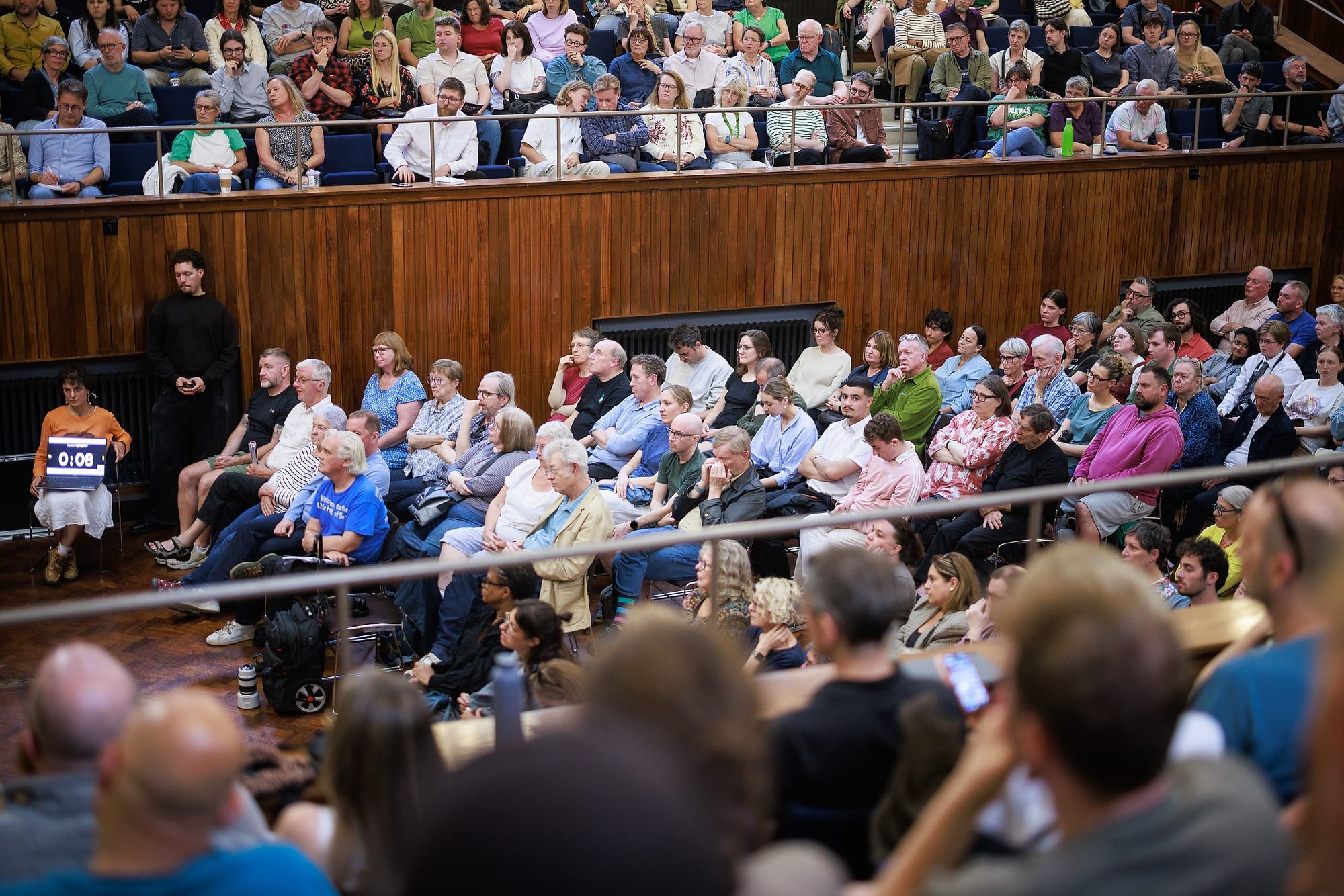
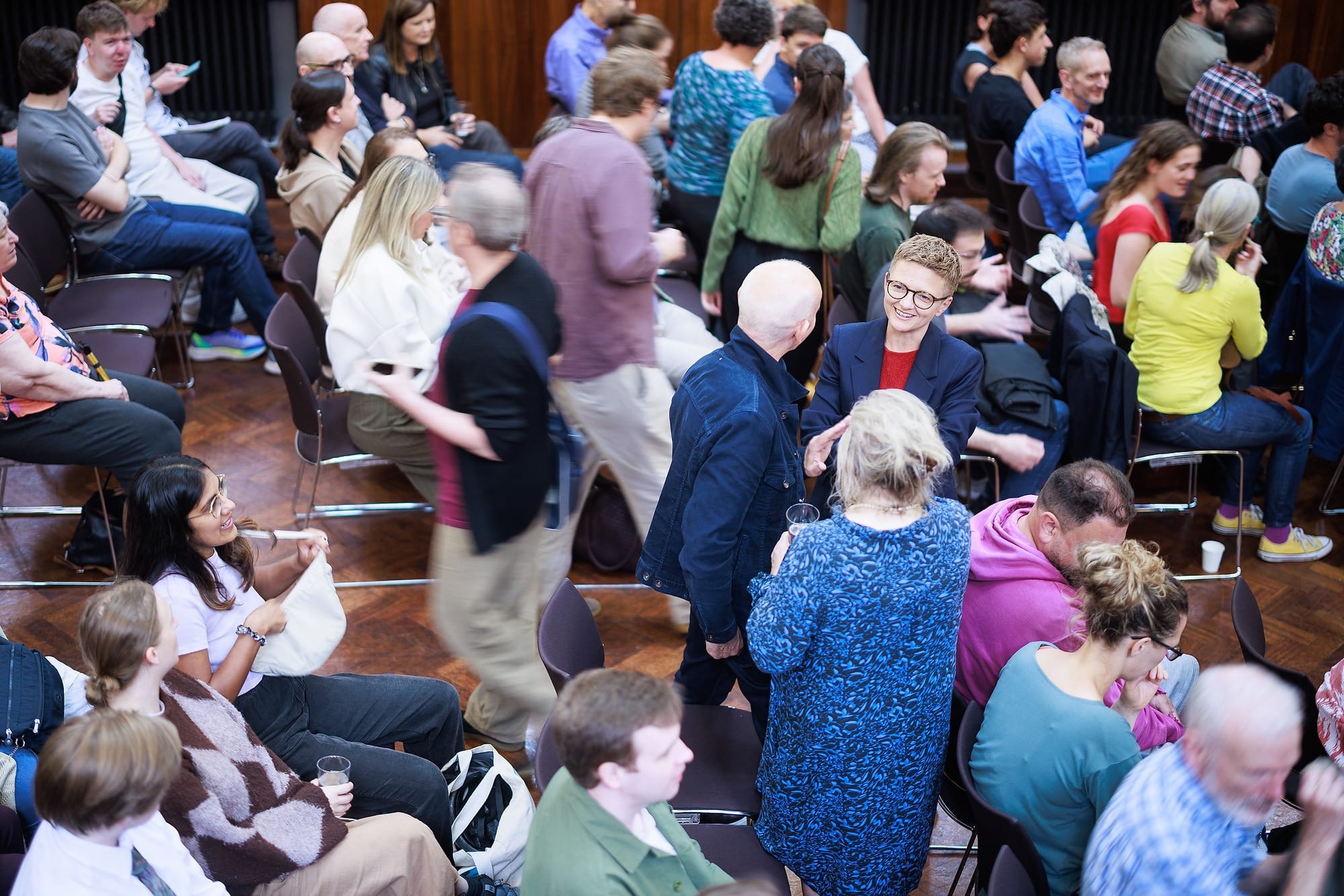
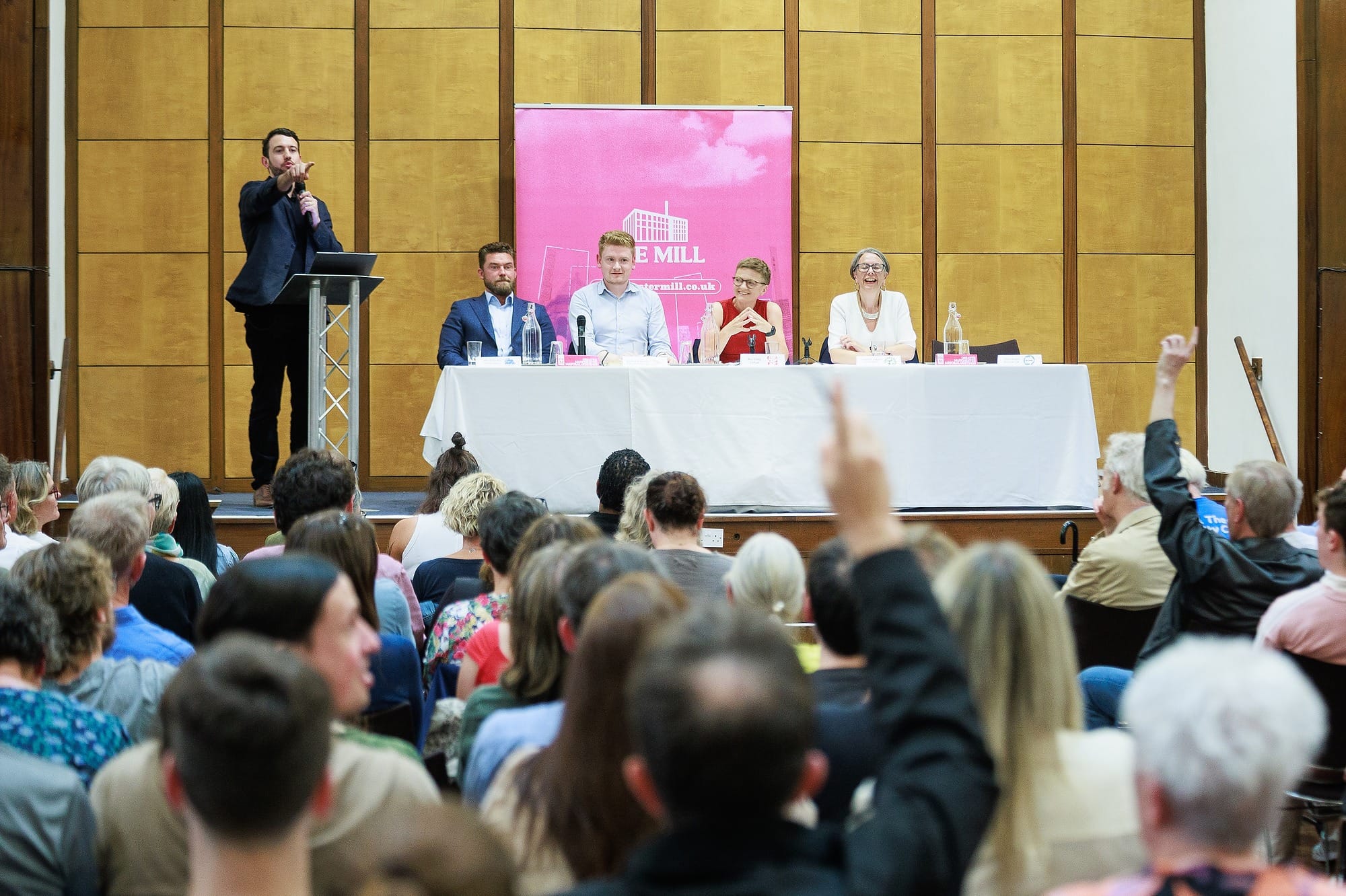
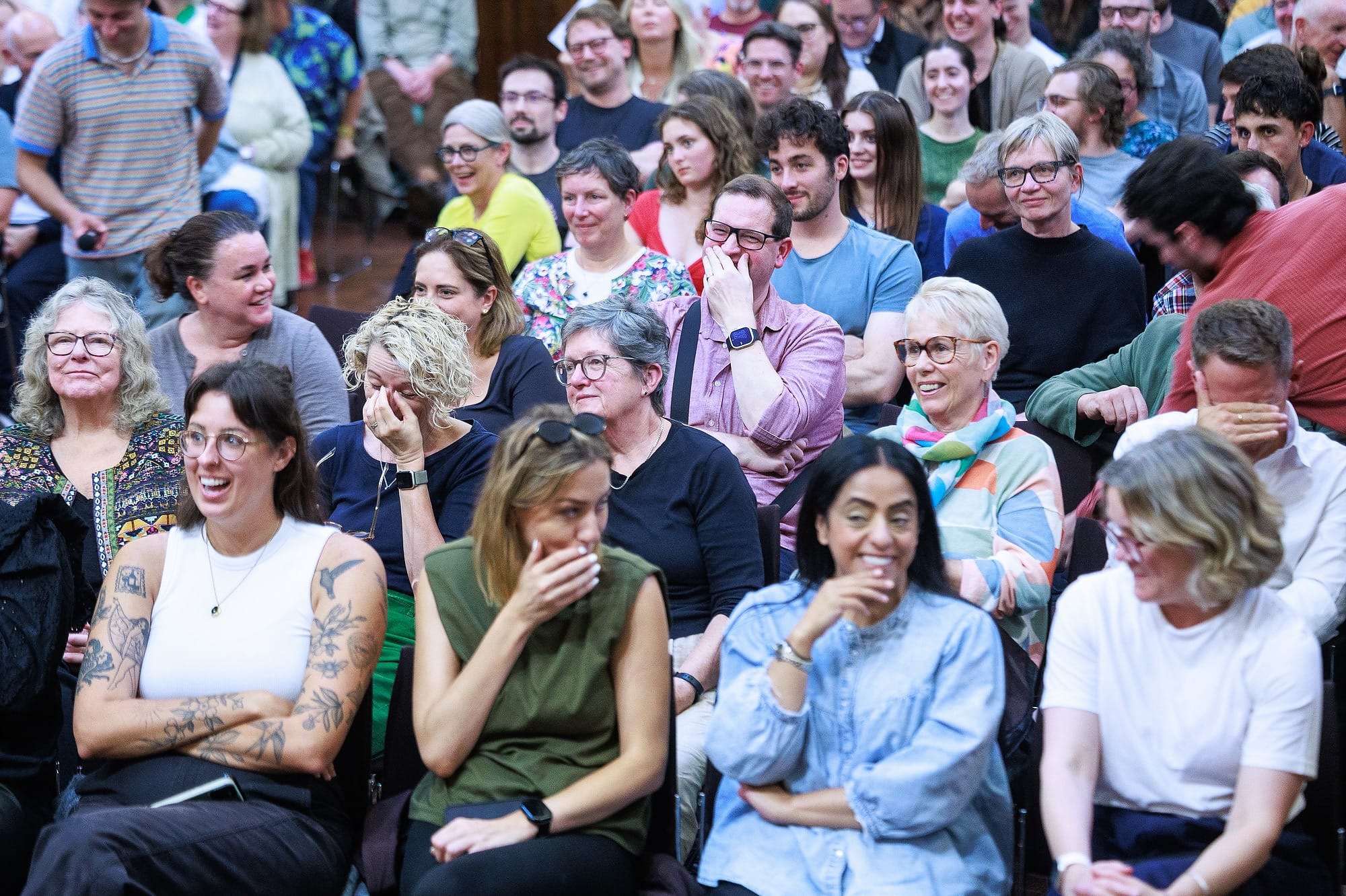
Dear readers — to those of you who we met last night: it was a delight. Our hustings was a roaring success, and it’s always a joy to see hundreds of Mill readers packed into one Quaker meeting house.
But for those of you who didn’t make it, worry not. Our skilled reporter Jack Dulhanty was typing away at the back the whole time, so that we could bring you the best bits and biggest points of contention from the night.
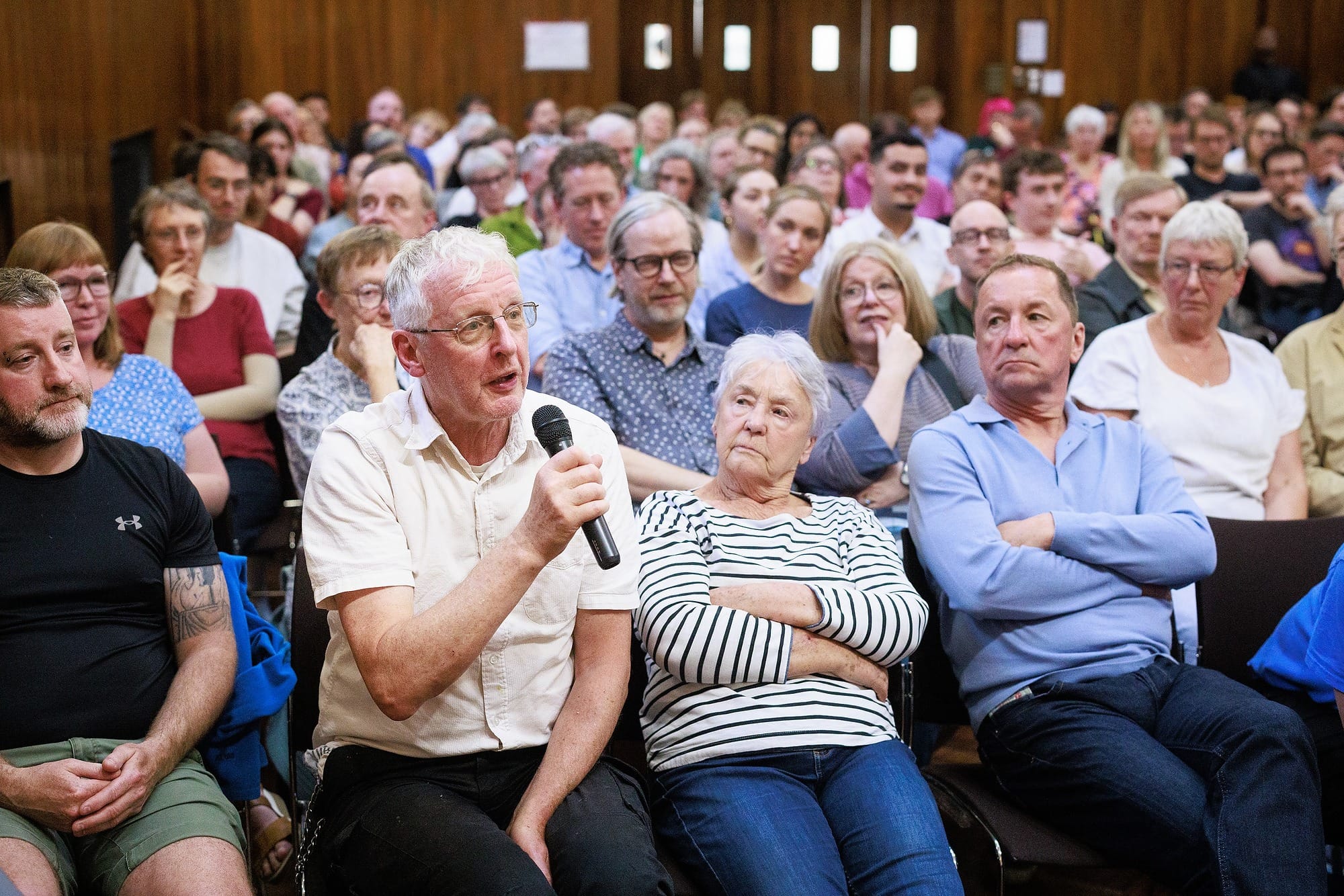
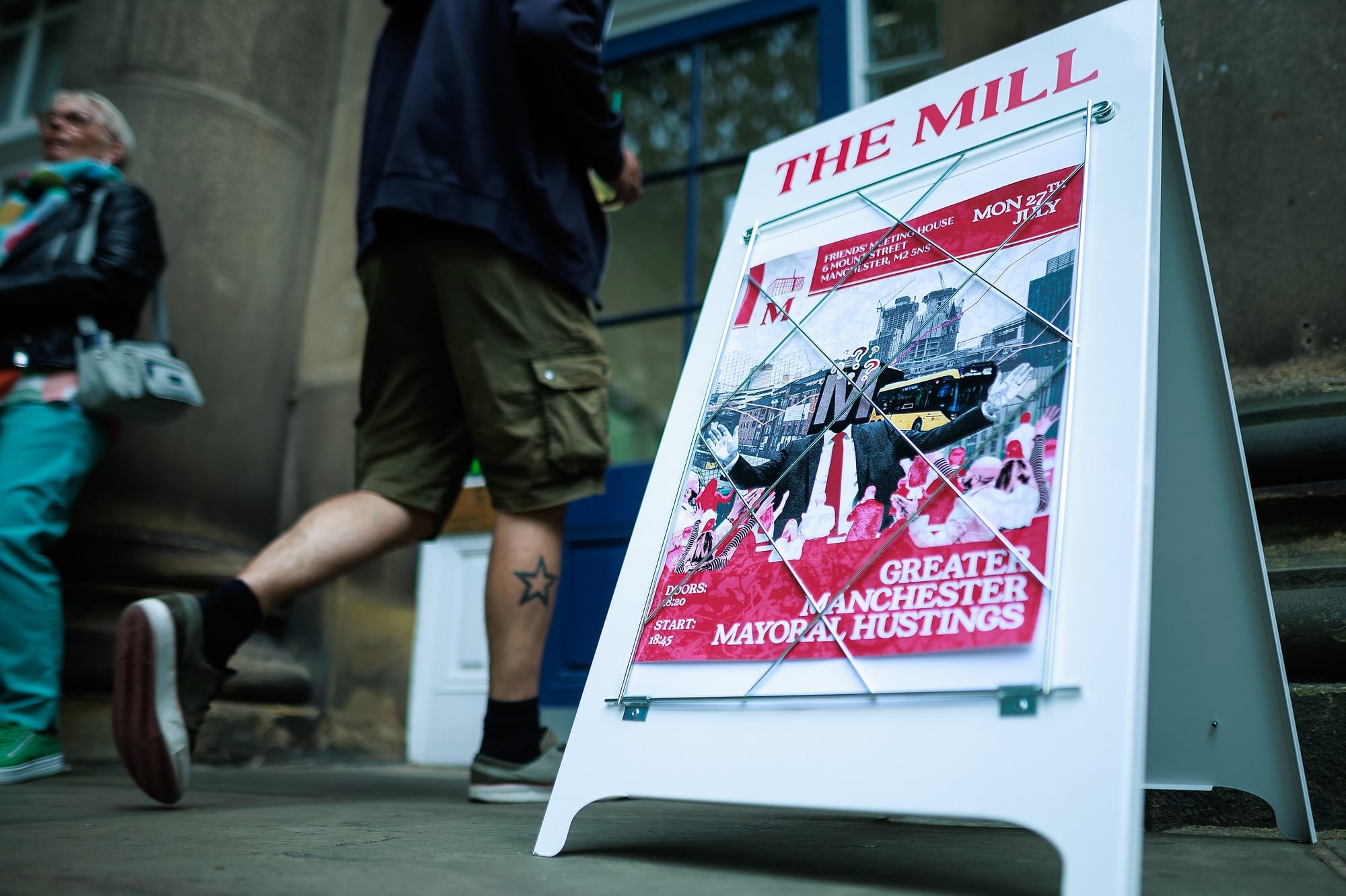
The evening – which sold out in just three days – was our attempt at doing a hustings (please, forgive us) a bit differently. We wrote curated questions for every candidate, had members of the audience send their own questions in before the event, and took further live audience questions across a wide range of topics: the environment, economy, housing and homelessness.
That’s all in today’s newsletter.
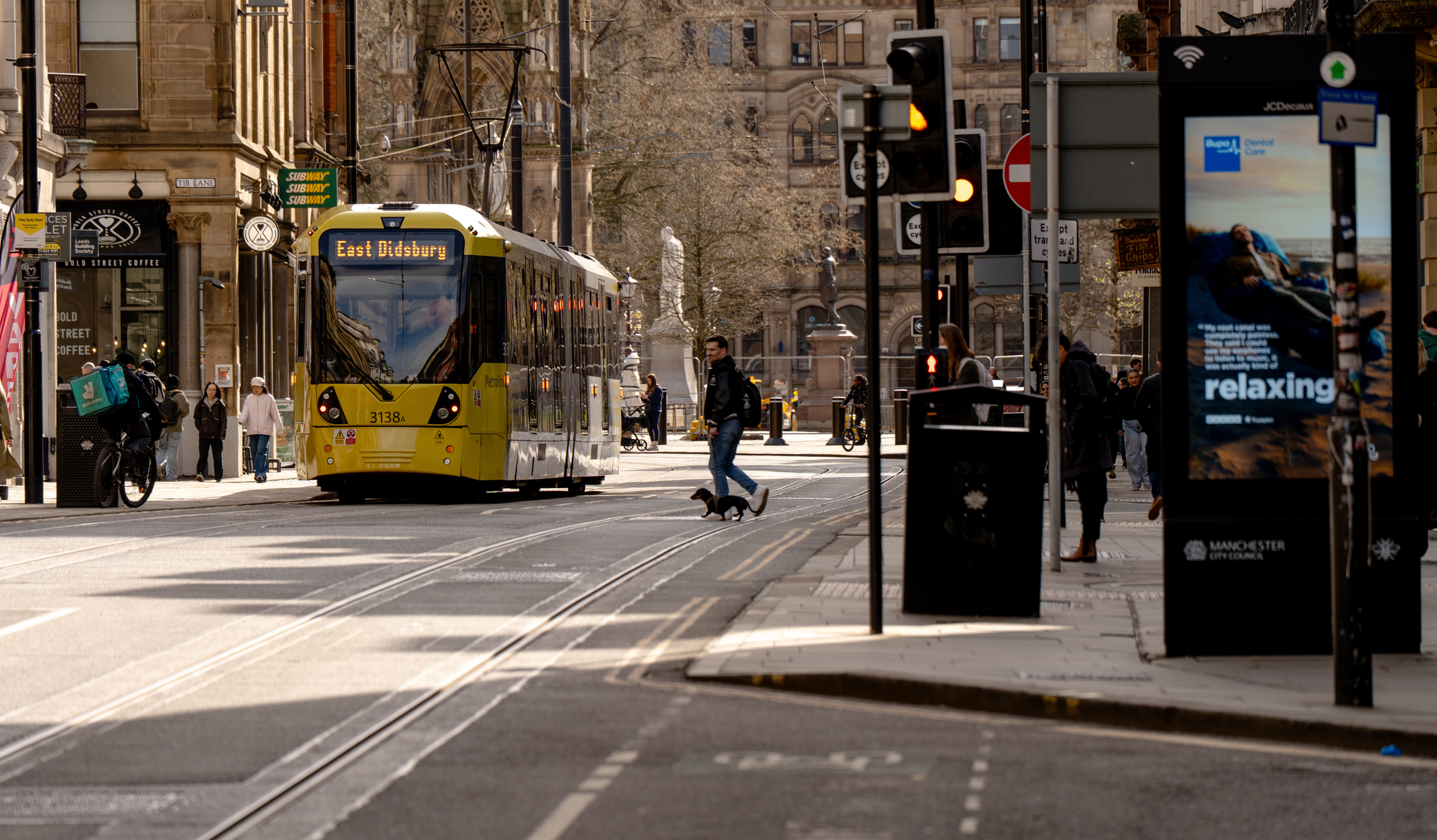
TfGM are carrying out tram improvement works at Deansgate-Castlefield and Trafford Bar
From 13th July to 2nd August there will be:
• No trams on the Altrincham, Eccles and The Trafford Centre lines.
• No trams on the Manchester Airport and East Didsbury lines between Firswood and the city centre.
• Rochdale trams will terminate at Exchange Square.
Travelling towards the city centre? A replacement bus will call at all affected tram stops (except Pomona), terminating at Piccadilly.
Travelling away from the city centre? Head to Piccadilly and follow signs for replacement buses. Buses will depart from Whitworth Street or Aytoun Street towards your destination.
You must pay before you board the replacement bus: tap in and out at tram stops as usual, or buy a 1-day Bee Bus ticket on the Bee Network app.
Interested in sponsoring The Mill? Get in touch.
But first — it would be remiss not to address the unfortunate fact that one of our chairs was left empty when Reform UK’s candidate Sian Astley chose not to take part.
Here’s the back story. When we set up the hustings, six candidates were registered, representing the six main parties: Restore Britain, Reform UK, Labour, the Greens, the Lib Dems and the Tories. We sent out invites to all of them, five of whom agreed to attend — Marlon West, of Restore Britain, declined, but we did meet him separately for an interview. We then planned the event accordingly, including creating tailored questions for candidates, exact times given to answer each, and a set time we had to use the hall.
On the day of the event, Marcus Farmer – an Independent candidate who threw his hat in the ring later than the others – reached out to our events team, asking if he can be invited last-minute, or if he should “just turn up”. Farmer is a relatively low-key candidate running a self-described “podcast based campaign”, who didn’t submit material to the Greater Manchester election booklet sent out to every registered elector. We responded explaining that the event was already organised. Farmer responded saying this:
“Go to the top person in your organisation and I will be at the door tonight at 6pm. I don’t bite and it is your publication that is on trial if you don’t let me in! You either let me in or you don’t.”
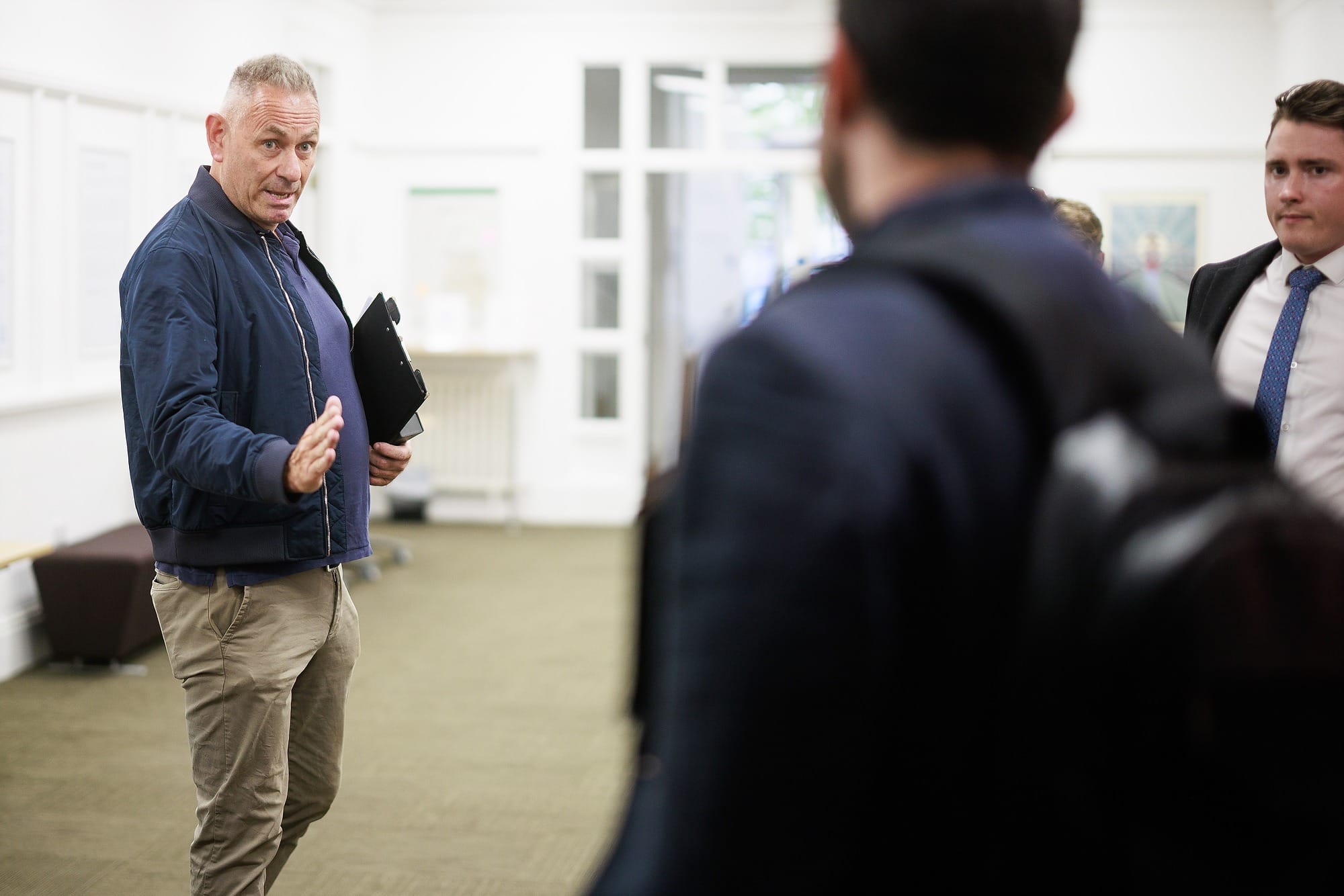
Farmer then showed up as promised, shortly followed by Reform’s Sian Astley, who filmed the subsequent conversation. Farmer insisted he had emailed multiple times requesting to take part — we have looked back through all of our emails and can find no correspondence from him beyond an email in which he tells us he will send over his podcast. We refused him entry based on the fact that the event was already organised and virtually timed to the second. Unfortunately, Astley refused to take part as a result, posting the footage on social media and falsely claiming that Farmer had “emailed The Mill several times” requesting to attend.
Regardless, the evening of course went on. Here’s how it went down.
The big stuff
Let’s start with the basics: here are the headline pledges each candidate made.
Bev Craig, standing for Labour, said she would start work to build 50,000 new affordable homes by 2039, with 10,000 houses either delivered, under construction or “in the pipeline” by May 2028. This housing promise has been central to her campaign and builds on Burnham’s record of beating national housebuilding targets.
Geraldine Coggins, standing for the Greens, also spoke about a big housing proposal: 20,000 publicly-owned homes, half of which would be built by a new public provider, the other half bought by the GMCA and retrofitted to be low-carbon homes. All rental income from these properties would be reinvested, rather than taken by private developers.
Phil Eckersley, standing for the Conservatives, said he would freeze the mayoral precept — the extra bit tacked onto Council Tax in Greater Manchester to fund the mayor’s office and fire service, and that has risen in recent years to fund things like the Bed Every Night scheme and mayoral development corporations.
Richard Kilpatrick, standing for the Lib Dems, said he wanted to drive down the price of childcare in Greater Manchester by piloting six new childcare locations across Greater Manchester with capped fees for parents. He’d want to implement them within the 18 months he would have left of Burnham’s term.
Where are they getting their inspiration?
This question came from a member of our audience: Over the last 12 months we have been repeatedly reminded of how brilliant Manchester, and its offshoot political philosophy Manchesterism, is. Much has been made of how Manchester’s way of doing things ought to be replicated across the country — but who can Manchester learn from?
Craig referenced work she has done in her capacity as city leader with the mayor of Barcelona, drawing inspiration from their planning policies and adaptations to the climate crisis. On the latter point she also referenced sponge parks – parts of cities made from more permeable materials to help with flooding – in China.
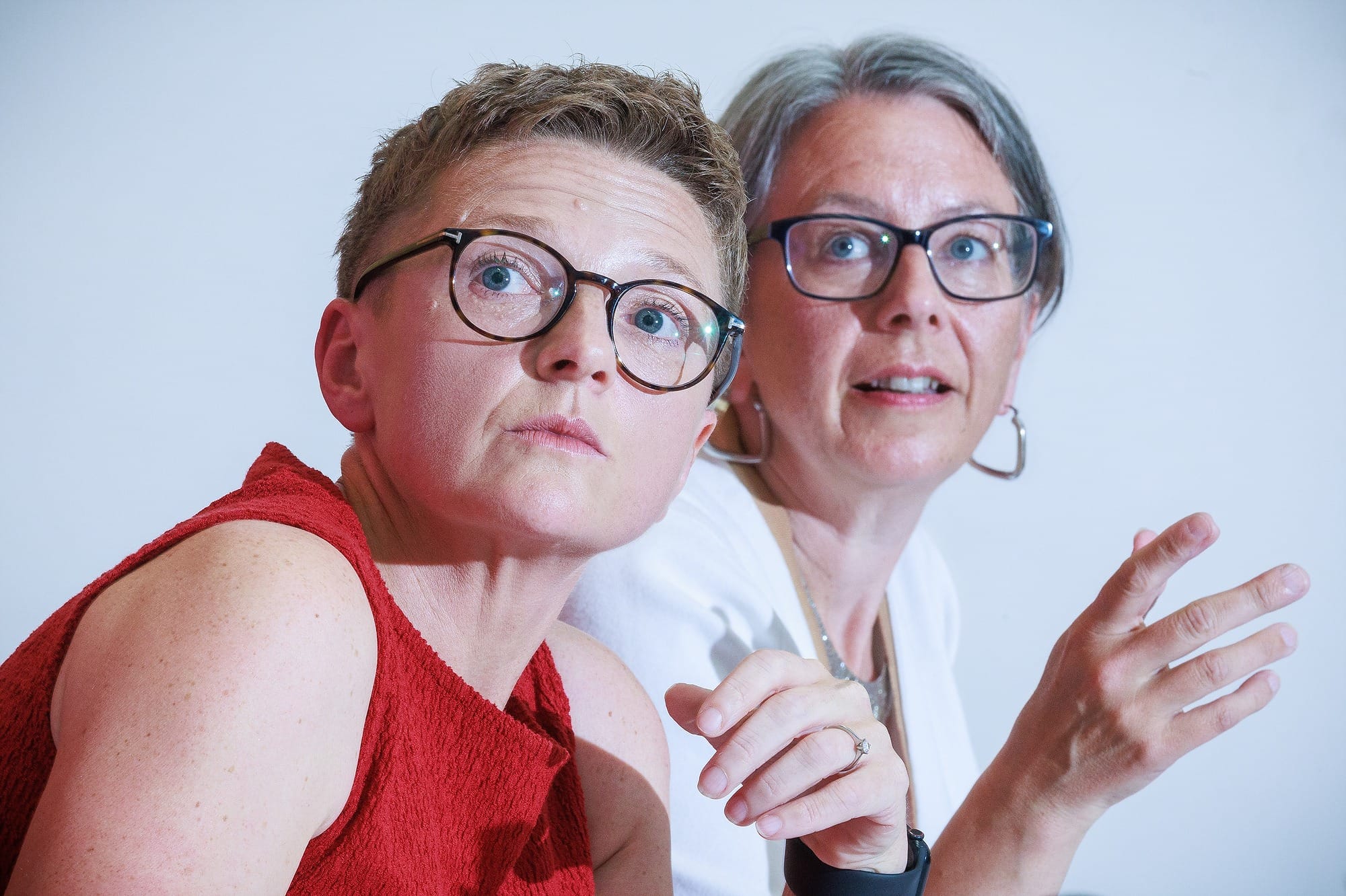
Coggins mentioned the economic models of Amsterdam and Copenhagen, where local governments take the environmental and social implications of their decisions into account, not just financial returns.
Kilpatrick talked about the co-operative housing encouraged in Danish cities: “we’re the home of the co-operative movement. Why shouldn’t Manchester create a co-operative movement that delivers housing to people who can co-ordinate and re-design it?” He’s particularly inspired by the work done by New York’s Zohran Mamdani, delivering thousands of childcare places over the next three years.
Eckersley, meanwhile, wants to replicate the work of other Conservative mayors in the UK. Namely Ben Houchen’s work on skills and education in Tees Valley and former West Midlands mayor Andy Street’s brownfield first development policy.
It was a bad night for “trickle down economics”
Investment was a big theme on the night, with Coggins homing in on Andy Burnham’s GMCA lending hundreds of millions to developers to build luxury tower blocks in the city centre (see the internal GMCA report we unearthed on that here) implicating Craig as another Labour politician who will continue on the same path.
Craig, meanwhile, pointed to her record of investing heavily in Wythenshawe early in her tenure as council leader, saying she would use Greater Manchester’s good growth fund to invest in forgotten towns.
Eckersley and Kilpatrick agreed that investment needed to “reach the edges” of Greater Manchester and not be weighed towards the city centre. It was a rare note of cross-party consensus that shows how the old Manchester model of drawing investment into the city centre in the hopes it will seep out has lost its allure.
Top performer: Richard Kilpatrick
After the hustings, chatting to the Millers draining out of Friends’ Meeting House and decamping to the pub, it was clear one candidate left a surprising impression. Without wanting to sound backhanded, many readers told us they were more taken with the Lib Dems’ Richard Kilpatrick than expected.
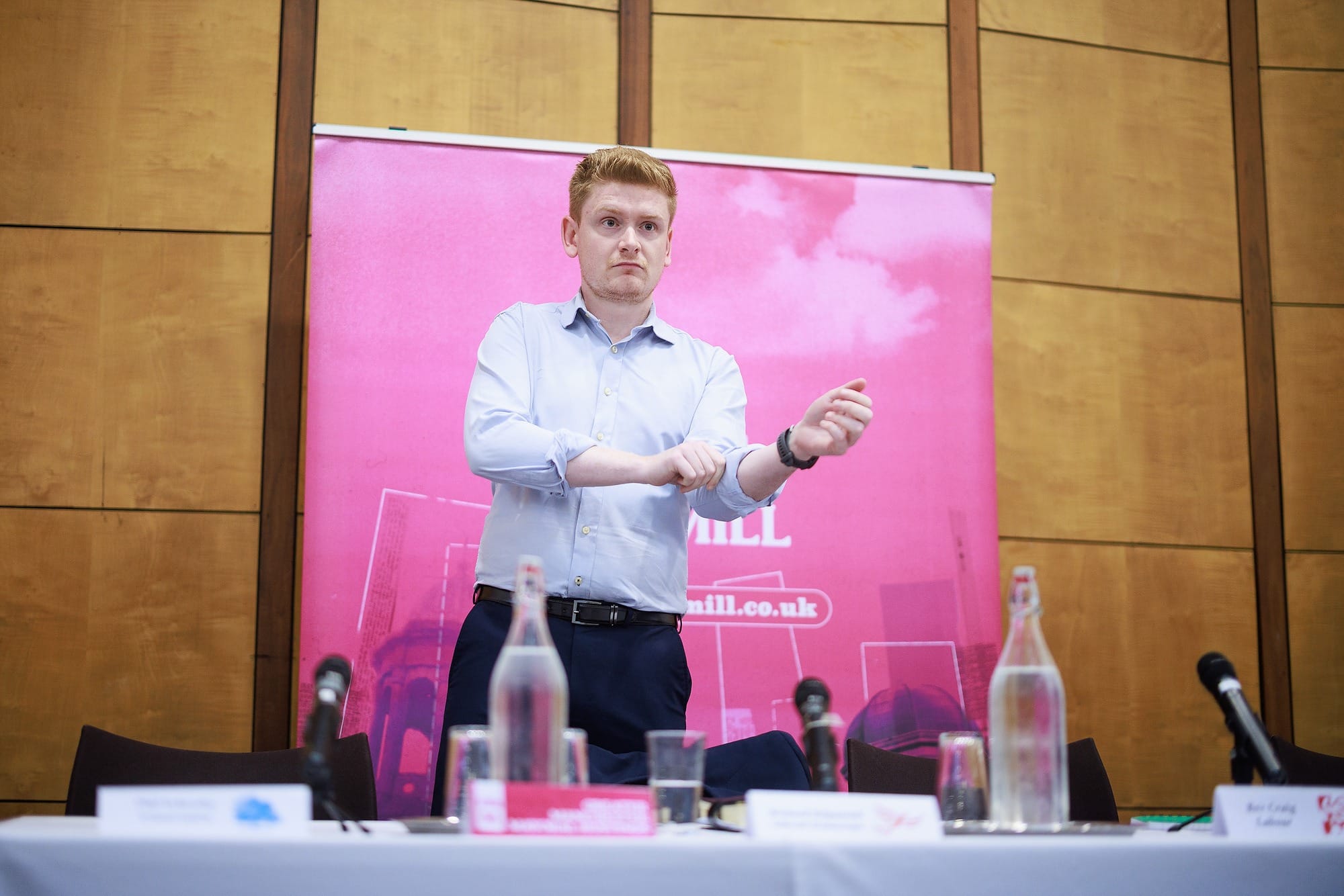
Definitely the dark horse in the race, Kilpatrick has been a councillor in Didsbury West since 2018, sitting on committees covering planning, public accounts and governance. His pitch to voters is as a liberal-but-sensible nice guy who can bring some balance back to a divided politics. “If we elect a local champion, of which I think I am the best one,” he said, “then maybe we might start to fix that broken broken politics. Maybe you might start to get along with each other better?”
It’s a novel thought!
Scores on the doors
According to the latest More in Common poll, Craig is well in the lead to take the mayoralty: the polls has her on 39 points, 20 ahead of Reform’s candidate Astley, who is in second. From there it goes Green, Conservatives, the Lib dems and Restore tied second to last, and finally Farmer.
And on second choice votes, Craig clears Astley by 30 points. For a deep dive on how supplementary voting could affect this by election, click here.
Hey! Jack Dulhanty here, thanks for reading today’s roundup of our sold-out – and utterly drama-free – hustings last night.
And a double-thanks to those of you who actually came down and joined us at Friends' Meeting House.
Joining as a member today means you’ll get a discounted rate on our future events, plus exclusive access to our members-only events. If you’d like to join one of the most well-informed cadres of Greater Mancunians (and support incisive local journalism too) hit the button below and subscribe now.
If someone forwarded you this newsletter, click here to sign up to get quality local journalism in your inbox.